
Highlights
- Three US House lawmakers introduce a resolution to scrap Trump-era tariffs on India
- Measure seeks to end duties of up to 50% imposed under emergency powers
- Lawmakers say tariffs hurt US workers, consumers and supply chains
- Resolution aims to reset US–India trade ties and restore Congress’ authority
Three influential US lawmakers have introduced a resolution in Congress seeking to end the tariffs imposed by President Donald Trump on India, calling the move an “irresponsible tariff strategy” that weakens a critical bilateral partnership.
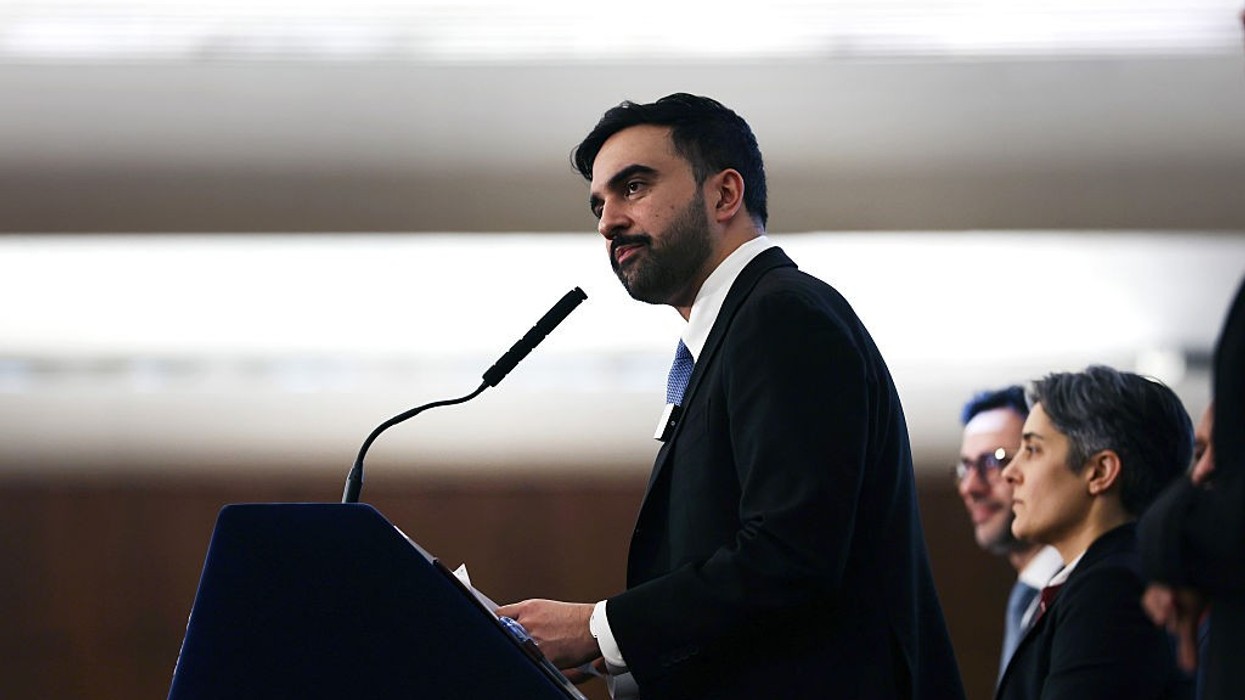
Representatives Deborah Ross of North Carolina, Marc Veasey of Texas, and Raja Krishnamoorthi of Illinois introduced the resolution in the House of Representatives on Friday. The measure aims to terminate the national emergency declared by Trump that authorised tariffs of up to 50 percent on imports from India and to restore Congress’ constitutional authority over trade.
Trump imposed a 50 percent tariff on India — the highest applied to any country — including a 25 percent duty linked to India’s purchases of Russian oil.
The resolution would end the national emergency invoked under the International Emergency Economic Powers Act (IEEPA) and rescind the additional 25 percent “secondary” duties that came into effect on August 27, on top of earlier reciprocal tariffs. Together, these measures raised duties on many Indian-origin products to 50 percent, according to a statement issued by Ross.
Krishnamoorthi said Trump’s tariff approach toward India is counterproductive and undermines a key partnership. He said the duties disrupt supply chains, harm American workers, and raise costs for consumers, adding that ending the tariffs would allow the US to work more closely with India on shared economic and security priorities.
The resolution follows a bipartisan Senate-passed measure aimed at ending Trump’s tariffs on Brazil and limiting the use of emergency powers to impose import duties.
Ross said North Carolina’s economy is closely linked to India through trade, investment, and a strong Indian American community. She noted that Indian companies have invested more than $1 billion in the state, creating thousands of jobs, particularly in the Research Triangle’s life sciences and technology sectors. North Carolina manufacturers also export hundreds of millions of dollars’ worth of goods to India each year, including pharmaceuticals, chemicals, and advanced machinery.
“When Trump destabilises this relationship with illegal tariffs, he puts North Carolina jobs, innovation, and our long-term competitiveness at risk,” Ross said.
The statement said Ross, Veasey, and Krishnamoorthi have been among the leading voices in Congress opposing Trump’s tariff agenda and calling for a reset in US–India relations. In October, they joined Congressman Ro Khanna and 19 other lawmakers in urging Trump to repair ties with India and reverse the tariff policies.
Veasey said India is an important cultural, economic, and strategic partner, adding that the tariffs act as a tax on everyday Americans already struggling with rising costs.
Ending the India tariffs is part of a broader push by congressional Democrats to reclaim Congress’ authority over trade and prevent the president from unilaterally imposing tariffs through emergency powers.
PTI