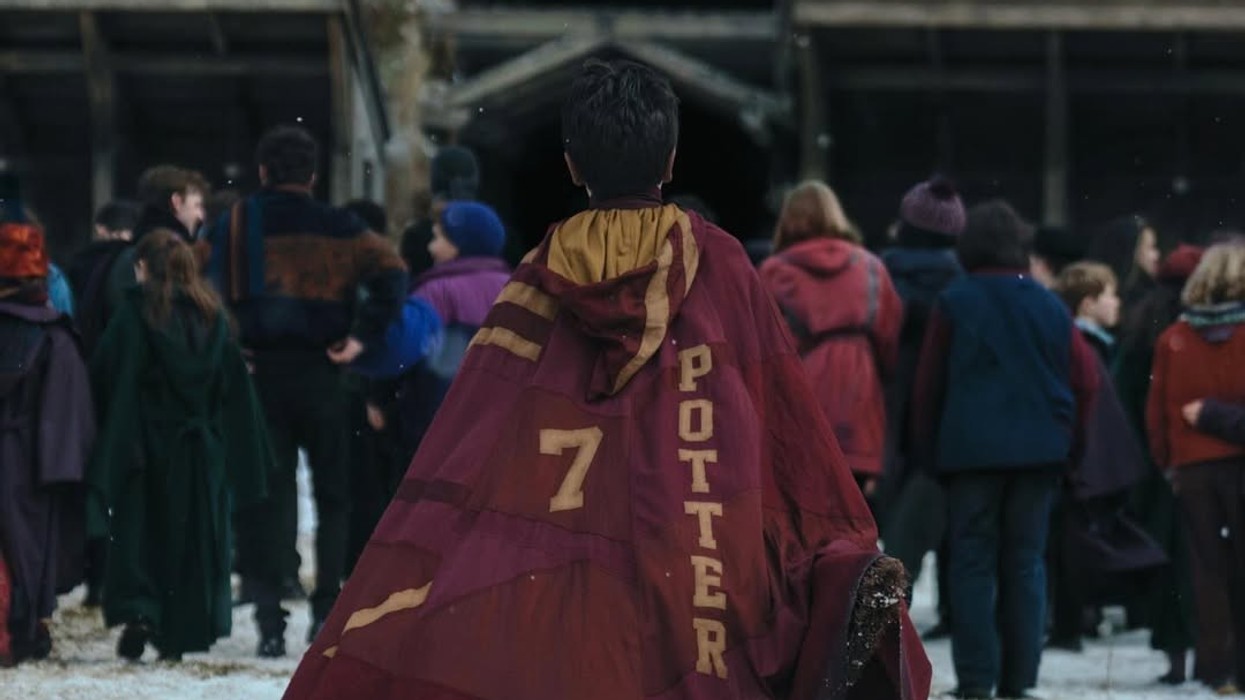

The newly unveiled teaser for the Harry Potter TV series has ignited massive excitement worldwide, especially among fans who grew up with the original films. Packed with nostalgic callbacks and grand visuals, the preview offers a glimpse into a reimagined wizarding world designed for long-form storytelling.
What truly sets this series apart is its unprecedented scale. Produced at Warner Bros. Studios Leavesden, the show is reportedly operating at a level never before seen on television. Each episode is expected to cost around $100 million, making it the most expensive TV production in history. This massive investment is reflected in elaborate set designs, extensive visual effects, and a commitment to authenticity, including the creation of a dedicated training environment for its young cast.
In total, the series is projected to cost approximately $5.6 billion, far surpassing the budget of the original Harry Potter film series, which was produced for about $1.2 billion. The sheer scale of the new adaptation underscores the studio’s ambition to create a definitive, long-term version of the beloved story.
While the original films were a box office phenomenon, earning around $7.7 billion globally, the streaming model follows a different strategy. Instead of focusing on ticket sales, platforms prioritize sustained viewer engagement and long-term subscriptions. This series is being designed with that goal in mind, aiming to unfold over multiple seasons while expanding the universe in ways that were not possible within the constraints of feature films.
More than just a television show, the project represents a broader vision to build an enduring entertainment ecosystem. With its significant financial backing, detailed world-building, and a loyal global fan base already energized by the teaser, the series is positioned as a cornerstone for the franchise’s future.
If the early buzz is any indication, the Harry Potter TV series could redefine what is possible in big-budget storytelling for streaming platforms. By combining cinematic quality with long-form narrative depth, it has the potential to set a new standard for how iconic stories are adapted and expanded in the modern entertainment landscape.