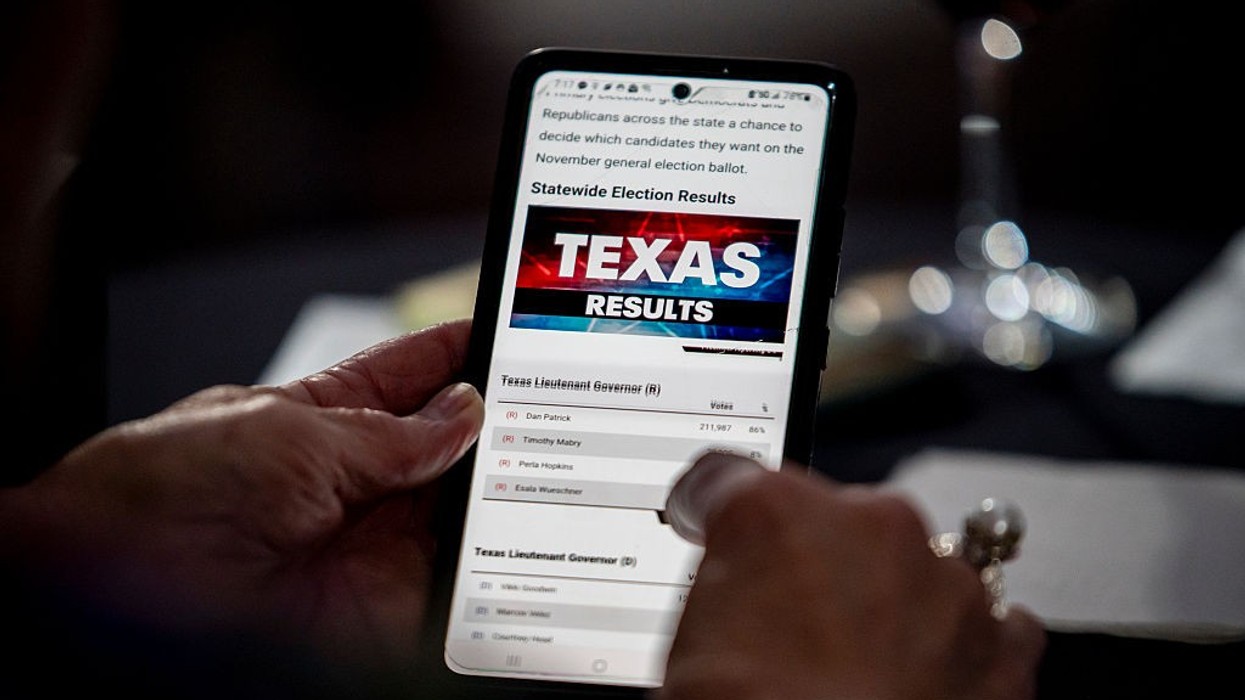

- Texas Republicans head to a costly Senate runoff.
- Democrats test their statewide strategy in Texas again.
- North Carolina’s high-stakes Senate matchup is set.
- Several incumbents faced unexpectedly tight races.
- Voting confusion in Dallas County sparked controversy.
The first primaries of the 2026 midterm elections are complete, offering early clues about the political landscape ahead of November. Contests in Texas and North Carolina, in particular, could play a pivotal role in determining control of Congress.
1. Texas GOP senate race heads to a runoff
In Texas, the Republican Senate primary is headed for a runoff after no candidate secured more than 50% of the vote. Incumbent Sen. John Cornyn finished short of a majority in a three-way race against state Attorney General Ken Paxton and Rep. Wesley Hunt.
The extended contest sets up another 12 weeks of campaigning before the May 26 runoff. The race has already become the most expensive Senate primary in history, with nearly $100 million spent on the Republican side alone. Analysts say another $100 million could be poured into the runoff.
The contest reflects broader tensions within the GOP — establishment conservatives versus the MAGA wing aligned with Donald Trump. Trump declined to endorse a candidate before the primary, but his involvement in the runoff could prove decisive.
2. Can democrats finally break through in Texas?
On the Democratic side, state Rep. James Talarico defeated Rep. Jasmine Crockett for the Senate nomination.
Texas has long been a frustrating target for Democrats, who have not won a statewide race there since 1994. Supporters of Crockett argued she could energize new and infrequent voters. Talarico’s backers countered that his tone and appeal to moderates would play better in a general election.
Despite stylistic differences, both candidates ran on progressive platforms. To flip the seat, Democrats will need strong turnout, party unity, and favorable political conditions in a traditionally Republican state.
3. North Carolina senate showdown takes shape
In North Carolina, former Gov. Roy Cooper secured the Democratic nomination for an open Senate seat. The vacancy follows the retirement of Republican Sen. Thom Tillis.
Cooper will face Republican nominee Michael Whatley, a former chair of the Republican National Committee.
Cooper, who has won statewide office in a Republican-leaning state, emphasized affordability and positioned himself as an independent voice willing to work with Trump when possible, but oppose him when necessary. The race is expected to be one of the most competitive in the country.
4. Warning signs for incumbents
Although incumbents typically enjoy high reelection rates, several faced stiff challenges.
Cornyn’s runoff is one example. Rep. Dan Crenshaw lost his primary by double digits. Rep. Tony Gonzales is headed for a runoff. Democratic Rep. Valerie Foushee is locked in a close race in North Carolina. Veteran Rep. Al Green also found himself nearly tied in a newly redrawn district.
The results suggest voter restlessness and heightened scrutiny of sitting lawmakers.
5. Voting confusion sparks controversy
In Dallas County, confusion over polling locations created Election Day problems. Local Republican officials required voters to cast ballots at assigned precincts rather than countywide polling sites, leading hundreds to show up at incorrect locations.
A county judge extended voting hours by two hours, but the state Supreme Court ordered that ballots cast after the original 7 p.m. deadline be separated.
The dispute drew attention because Crockett, a Dallas-area candidate, was expected to perform strongly there. She alleged voter disenfranchisement.
With tight races and continued debate over election procedures, concerns about voting access are likely to remain a major issue throughout the 2026 midterm cycle.