
Highlights:
- Tariff increase delayed until January 2027
- Current 25 per cent tariff rate remains in effect
- Decision impacts furniture, cabinets, and bathroom vanities
- Hotel owners cite major cost savings for renovations
- AAHOA praises move as critical for small businesses
President Donald Trump has delayed a scheduled increase in tariffs on upholstered furniture, kitchen cabinets, and bathroom vanities, offering temporary relief to US hotel owners facing rising renovation and development costs.
The tariff hikes, which were set to take effect on Thursday (1), have been postponed for an additional year as the administration continues negotiations with international trade partners. Officials say the talks are focused on trade reciprocity and national security concerns tied to wood products and related supply chains. During the delay, the existing 25 per cent tariff on the affected imports will remain in place.
The announcement was welcomed by the Asian American Hotel Owners Association (AAHOA), the nation’s largest hotel owners group, which represents 20,000 members owning roughly 60 per cent of hotels in the United States. The organization said the delay provides critical financial breathing room for hotel owners, particularly small business operators navigating brand-mandated renovations, property improvement plans, and new hotel development.
Furniture, fixtures, and equipment, often referred to as FF&E, typically account for 15 per cent to 20 per cent of the total cost of a hotel renovation. Industry leaders warn that sudden tariff increases can significantly disrupt long-term planning and financing, especially for independent and family-owned hotels operating on tight margins.
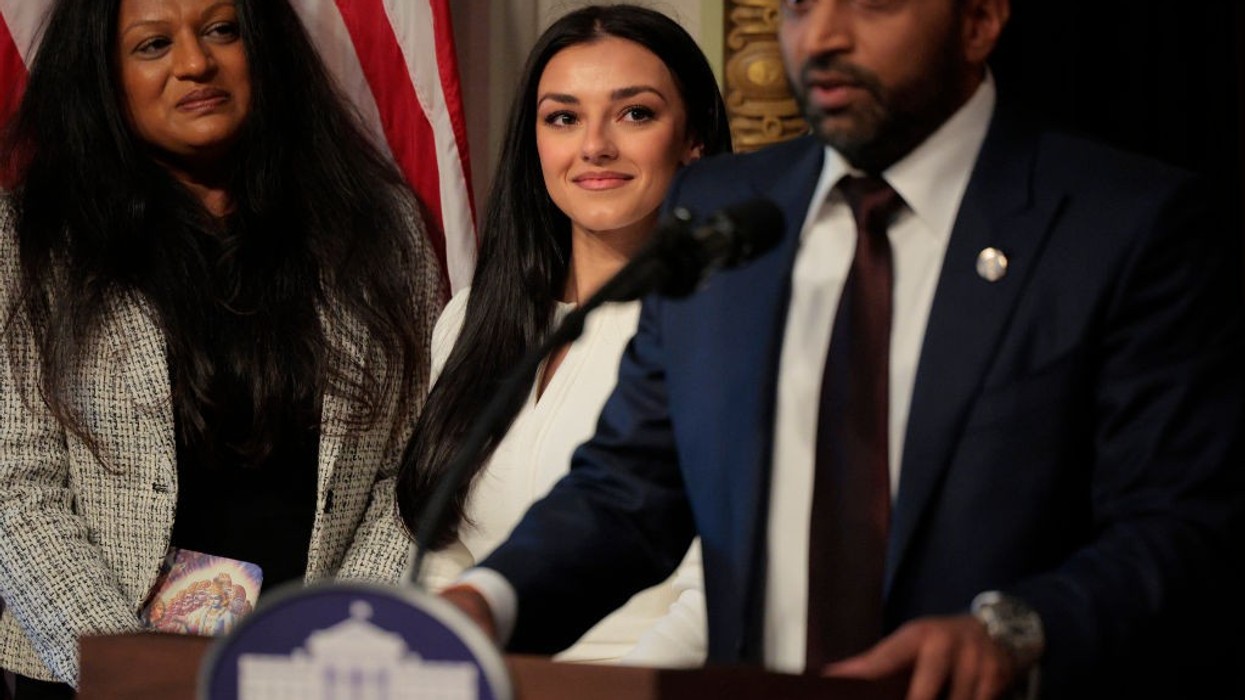
“This decision provides breathing room for America’s hotel owners and small businesses,” said AAHOA Chairman Kamalesh “KP” Patel. “We thank President Trump for recognizing the real-world impact these tariffs have on entrepreneurs who are reinvesting in their properties, employing millions of workers, and supporting local economies. This pause is not just prudent—it’s pivotal.”
AAHOA President and CEO Laura Lee Blake echoed those concerns, emphasizing the operational challenges created by abrupt cost increases. “Furniture, fixtures, and equipment can account for 15-20 per cent of a hotel renovation’s total cost, so abrupt tariff increases create real whiplash for small-business hoteliers,” Blake said. “We thank President Trump for delaying the increase and giving owners time to plan, invest, and keep serving their communities.”
Hotel owners across the country have argued that while they support fair trade and domestic manufacturing, rapid tariff changes can undermine renovation timelines and financing agreements already in progress. Many properties are currently upgrading to meet brand standards or modernize aging facilities, investments that often take years of planning.
AAHOA said it will continue engaging with policymakers and industry stakeholders to advocate for trade policies that balance national priorities with the economic realities facing hotel owners. According to the association, AAHOA member-owned hotels employ more than one million workers directly and support 4.2 million jobs nationwide, contributing about 1.4 per cent of US gross domestic product.
With the one-year delay in place, hotel owners say they are better positioned to move forward with planned investments while monitoring the outcome of ongoing trade negotiations.