
Highlights:
- Adani Group to invest $12 billion in airports over five years
- Navi Mumbai International Airport to open for commercial flights on December 25
- New airport to ease congestion at Mumbai’s main international hub
- Adani to bid aggressively for 11 more airports under privatization
- Indian aviation sector expected to grow 15–16 per cent annually
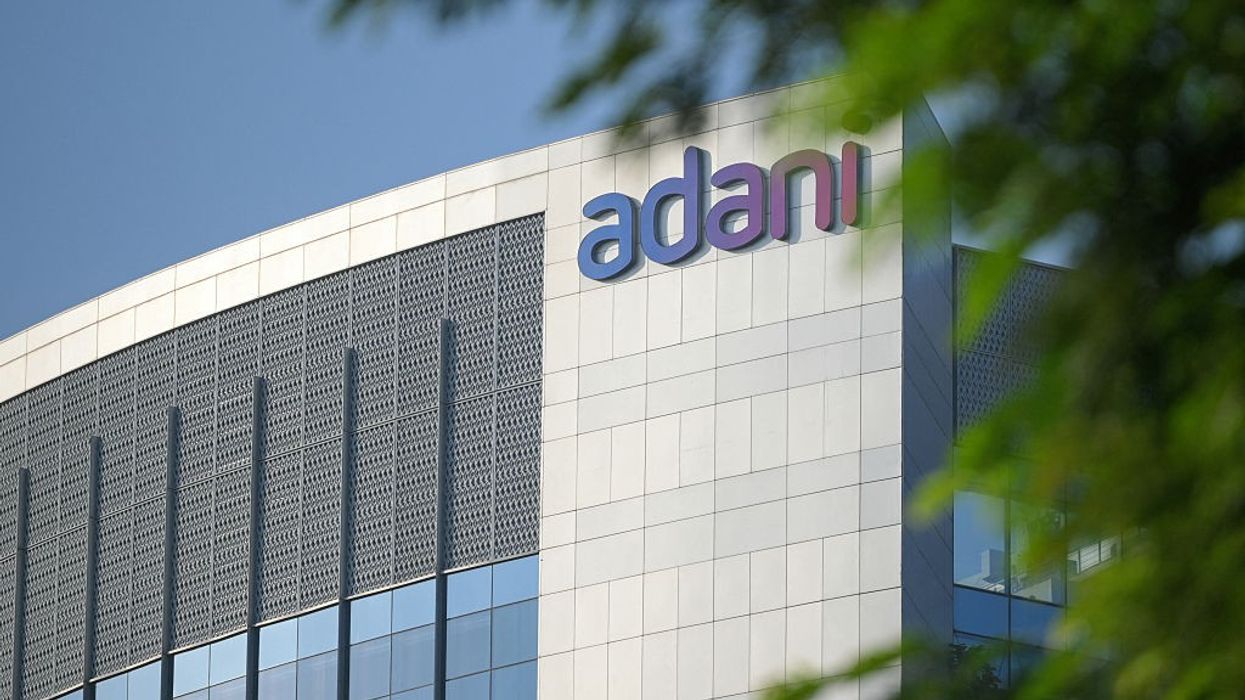
India’s Adani Group plans to invest roughly $12 billion, in its airports business over the next five years, signaling a major bet on the continued expansion of the country’s aviation sector, a top company official said.
Jeet Adani, Director of Adani Airports and the younger son of billionaire industrialist Gautam Adani, said the group expects India’s aviation industry to grow at a steady pace of 15 to 16 per cent annually for at least the next decade. He made the comments ahead of the start of commercial operations at Navi Mumbai International Airport, which is scheduled to open on December 25.
The new airport will be the latest addition to Adani Group’s rapidly expanding airport portfolio. It is being developed by Navi Mumbai International Airport Ltd, in which the Adani Group holds a 74 percent stake.
Built at an initial cost of ₹19,650 crore, the first phase of Navi Mumbai International Airport will have the capacity to handle 20 million passengers a year. Over time, that capacity is expected to expand to 90 million passengers annually, significantly easing pressure on Mumbai’s existing airport, which has been operating under capacity constraints for several years.
Adani Group operates eight airports across India, including two in the Mumbai region, as well as airports in Ahmedabad, Lucknow, Guwahati, Thiruvananthapuram, Jaipur, and Mangaluru. The company acquired Mumbai’s main airport from the GVK Group in 2021, following its earlier success in winning six airports during India’s 2019 airport privatization round.
Jeet Adani said the group plans to be aggressive in the next round of airport privatizations, which includes 11 airports identified by India’s civil aviation ministry under a public-private partnership model.
India’s aviation market continues to expand rapidly as rising incomes, urbanization, and improved connectivity drive demand for air travel. Adani pointed to low per-capita air travel in India compared with countries such as China, suggesting there is substantial room for long-term growth.
“Mumbai Airport has been supply-constrained since 2016 and was not able to fully meet rising demand,” Adani said, adding that the opening of Navi Mumbai International Airport would finally provide some relief.
Beyond airport infrastructure, Adani Group is also evaluating investments in aircraft services such as maintenance, repair, and overhaul facilities, and flight simulation training centers. While specific investment figures for these businesses have not been finalized, Adani said the group is committed to expanding its expertise across the aviation value chain.
Through its airport arm, Adani Airport Holdings Ltd, the group has become India’s largest private airport operator. It currently accounts for about 23 percent of passenger traffic and roughly 33 percent of cargo traffic nationwide.
The company is also investing in retail, real estate, and other non-aeronautical services at its airports, aiming to turn major aviation hubs into diversified commercial centers as India’s air travel boom continues.











 Let’s stop shaming Genzfor switching jobsI see a lot of ‘career gurus’shaming 22-year-olds for switching jobs every year.But isn’t that exactly what the youth should be doing? 🤔Early in our… | Anupam Mittal | 561 comments