
Highlights:
- Family of four returned to India after 10 years in Canada
- OCI allows lifelong stay and private-sector employment
- Cannot work in government roles or journalism
- Agricultural land ownership is not permitted
- India-Canada tax treaty prevents double taxation
Generally, Indians go abroad for better career opportunities and a better standard of living. But this Indian-origin couple, who had dreamt of having a life in Canada, despite having citizenship, shifted back to India.
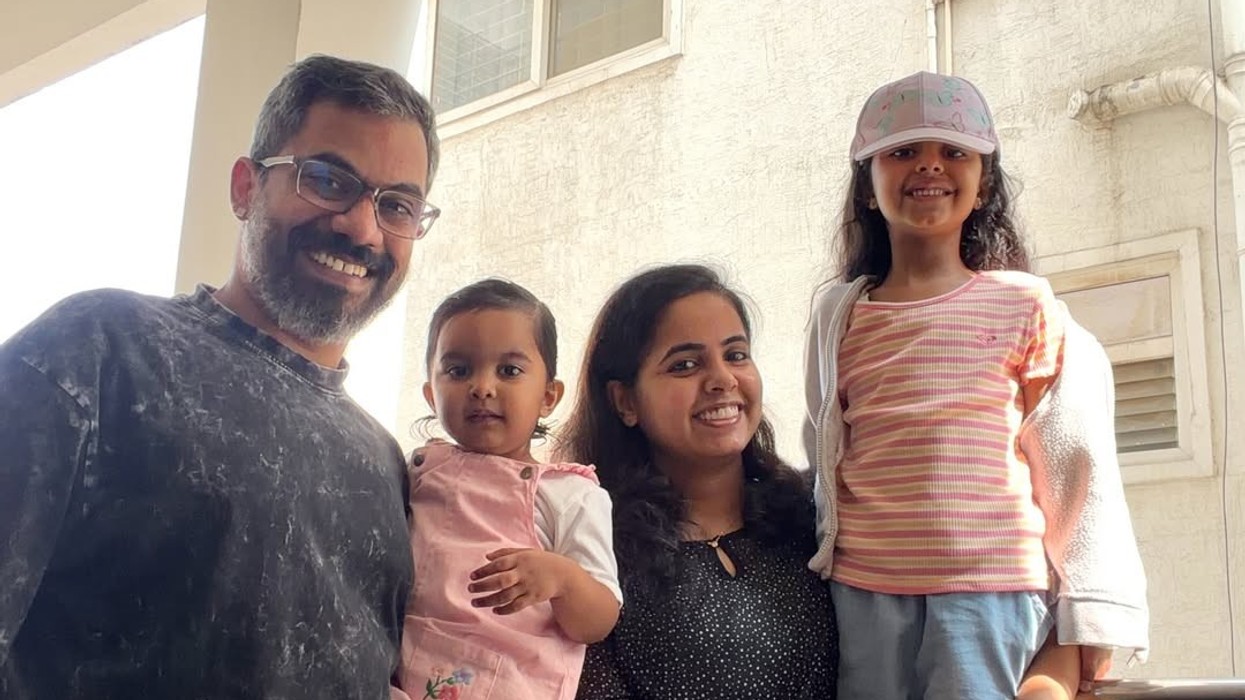
After spending 10 years in Canada, Sneha Khilwani and her family recently moved back to India and began living as Overseas Citizen of India (OCI) cardholders. In an Instagram video, Sneha and her husband answered a flood of questions about their decision, offering clarity on jobs, taxes, property, and education. Sneha revealed that her family of four is Canadian citizens now residing in India on OCI status.
"So many DMs about OCI after our move back to India 🇮🇳. Putting all the important OCI info in one reel for anyone planning the same journey. Hope this helps," the video was captioned.
An OCI card is granted to people of Indian origin who hold foreign citizenship. It provides a lifelong visa, allowing individuals to live and work in India indefinitely without needing repeated renewals. While it offers flexibility and convenience, it also comes with clearly defined rules and limitations.
One of the biggest concerns for Indians living abroad is employment. According to the couple, OCI holders are allowed to work freely in India, especially in the private sector. However, there are some restrictions. OCI holders cannot take up government jobs or work in journalism. Apart from these exceptions, they said employers generally respond positively to candidates with foreign passports. They also noted that OCI holders are eligible for Employee Provident Fund (EPF) benefits, similar to other employees in India.
Taxation is another area that often raises questions. Sneha explained that income is taxed in the country where it is earned, whether that is India or Canada. Importantly, India and Canada have a Double Taxation Avoidance Agreement (DTAA), which ensures that the same income is not taxed twice. If tax is paid in one country, it is considered while calculating the final liability in the other. The couple emphasized that OCI holders are not treated differently under tax laws simply because they are not Indian citizens.
When it comes to living in India long-term, OCI status provides stability. OCI holders can stay in India for as many years as they wish. The status does not expire, though periodic updates, such as photo changes, may be required. Canadian passports can also be renewed from within India, making documentation relatively manageable.
Property ownership is permitted, but with one significant restriction. OCI holders can purchase residential and commercial properties, including flats and houses. However, they are not allowed to own agricultural land. The couple pointed out that this rule often surprises returning families, especially those who wish to invest in farmland or inherit ancestral agricultural property.
Education is another key concern for families with children. Sneha clarified that school fees at the primary and secondary levels are generally the same for OCI students as for Indian citizens. However, university fees can differ, as many institutions charge higher tuition for foreign nationals. She advised families to carefully check university-specific policies before applying.
Through their experience, the couple aims to help others considering a similar move understand both the opportunities and limitations of OCI life in India.