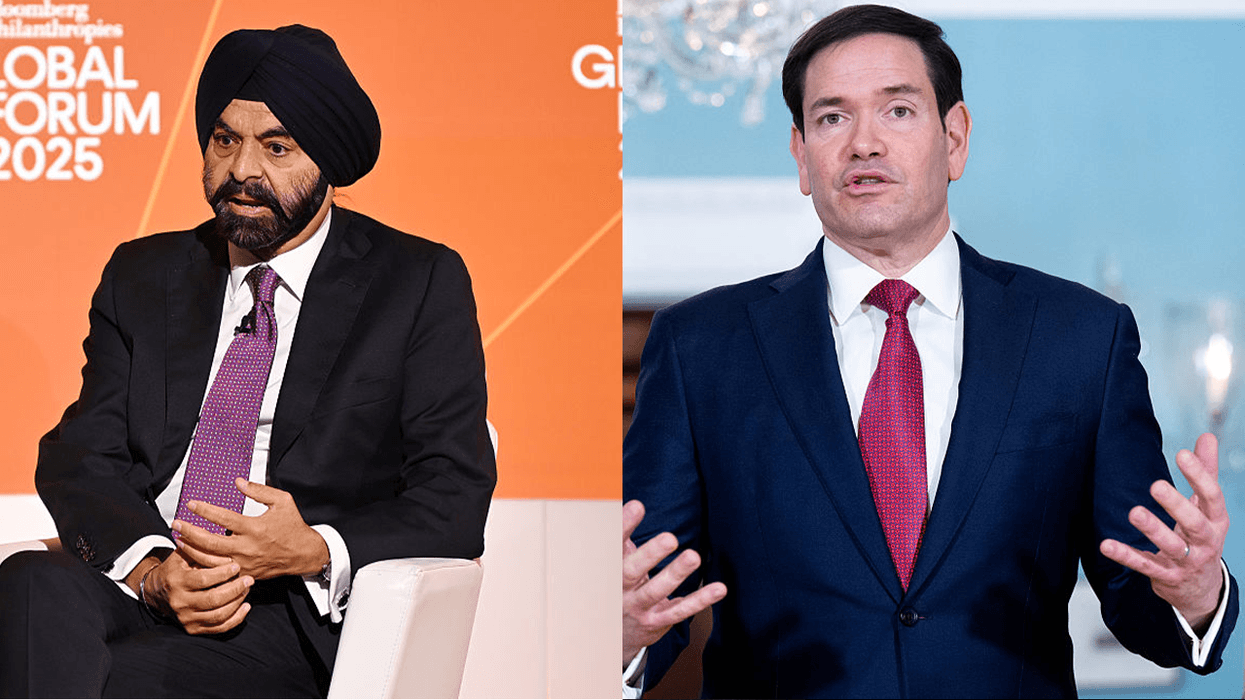

- Ajay Banga and Marco Rubio join a high-profile Board of Peace overseeing Gaza redevelopment
- Trump administration unveils a 20-point roadmap to end the Gaza conflict
- International Stabilisation Force to manage security and demilitarization
- Economic plan envisions “miracle cities,” jobs, and foreign investment
- No forced displacement of Gaza residents under the proposed framework
World Bank Group President Ajay Banga and US Secretary of State Marco Rubio have been appointed to the newly established “Board of Peace,” a key body under President Donald Trump’s comprehensive plan aimed at ending the Gaza conflict and rebuilding the territory’s economy and infrastructure.
The White House announced the formation of the Board of Peace on Friday, describing it as a founding Executive Board made up of global leaders with extensive experience in diplomacy, development, infrastructure, and economic strategy. The board is expected to play a central role in Gaza’s stabilization, reconstruction, and long-term growth.
In addition to Banga and Rubio, the Executive Board includes US Special Envoy to the Middle East Steve Witkoff; Jared Kushner, Trump’s son-in-law and former senior White House adviser; former British Prime Minister Tony Blair; Apollo Global Management CEO Marc Rowan; and U.S. Deputy National Security Advisor Robert Gabriel.
According to the White House, each member will oversee a defined portfolio essential to Gaza’s recovery, including governance capacity-building, regional diplomatic engagement, reconstruction planning, investment attraction, large-scale funding, and capital mobilization. Officials said more Executive Board members, as well as a Gaza-specific Executive Board, will be announced in the coming weeks.
As part of the security framework, Major General Jasper Jeffers, commander of US Special Operations Command Central, has been appointed Commander of the International Stabilisation Force (ISF). The ISF will be responsible for maintaining security, supporting comprehensive demilitarization, and enabling the safe delivery of humanitarian aid and reconstruction materials throughout Gaza.
The White House emphasized that the United States remains fully committed to supporting the transitional framework in close coordination with Israel, key Arab nations, and the broader international community. President Trump has urged all parties to cooperate with the National Committee for the Administration of Gaza (NCAG), the Board of Peace, and the ISF to ensure swift implementation of the plan.
The NCAG is described as a cornerstone of Phase II of Trump’s comprehensive peace initiative, a 20-point roadmap designed to achieve lasting peace, stability, reconstruction, and prosperity in Gaza. Under the plan, if both sides agree to the terms, the war would end immediately. Israeli forces would withdraw to an agreed-upon line, military operations would be suspended, and battle lines would remain frozen pending a complete, staged withdrawal.
A central feature of the initiative is the proposed “Trump Economic Development Plan,” which aims to rebuild and revitalize Gaza by drawing on expertise used to create modern “miracle cities” in the Middle East. International investment proposals would be evaluated to align with new security and governance frameworks, to attract capital, create jobs, and expand economic opportunity.
The plan also calls for establishing a special economic zone with preferential tariffs and access rates negotiated among participating countries. Importantly, it states that no one will be forced to leave Gaza. Residents who choose to stay will be encouraged to help build what the plan describes as “a better Gaza,” while those who leave will retain the right to return.










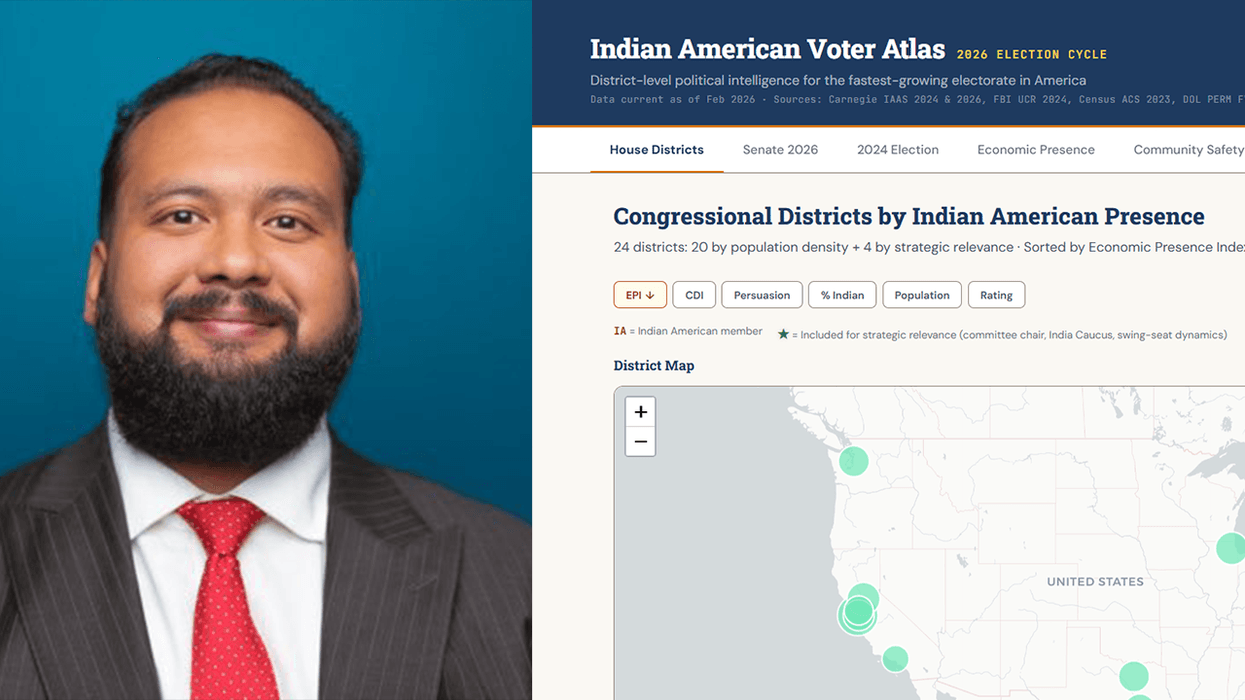
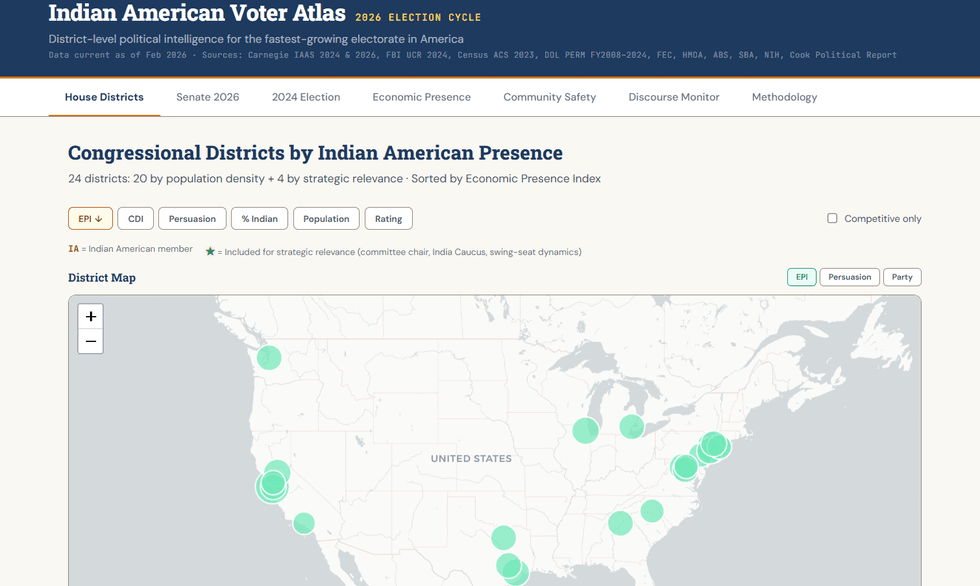 https://www.voteratlas.io/
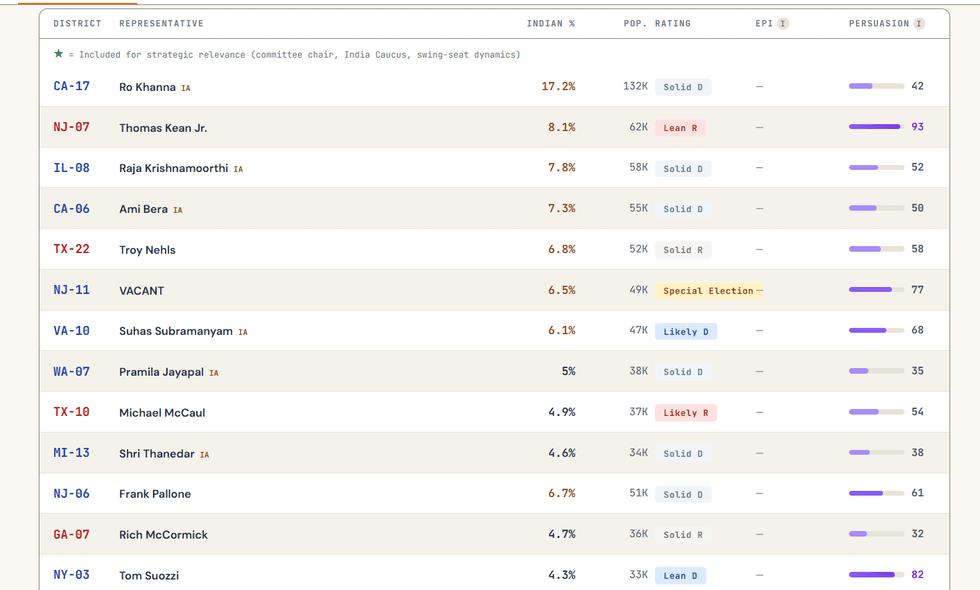 https://www.voteratlas.io/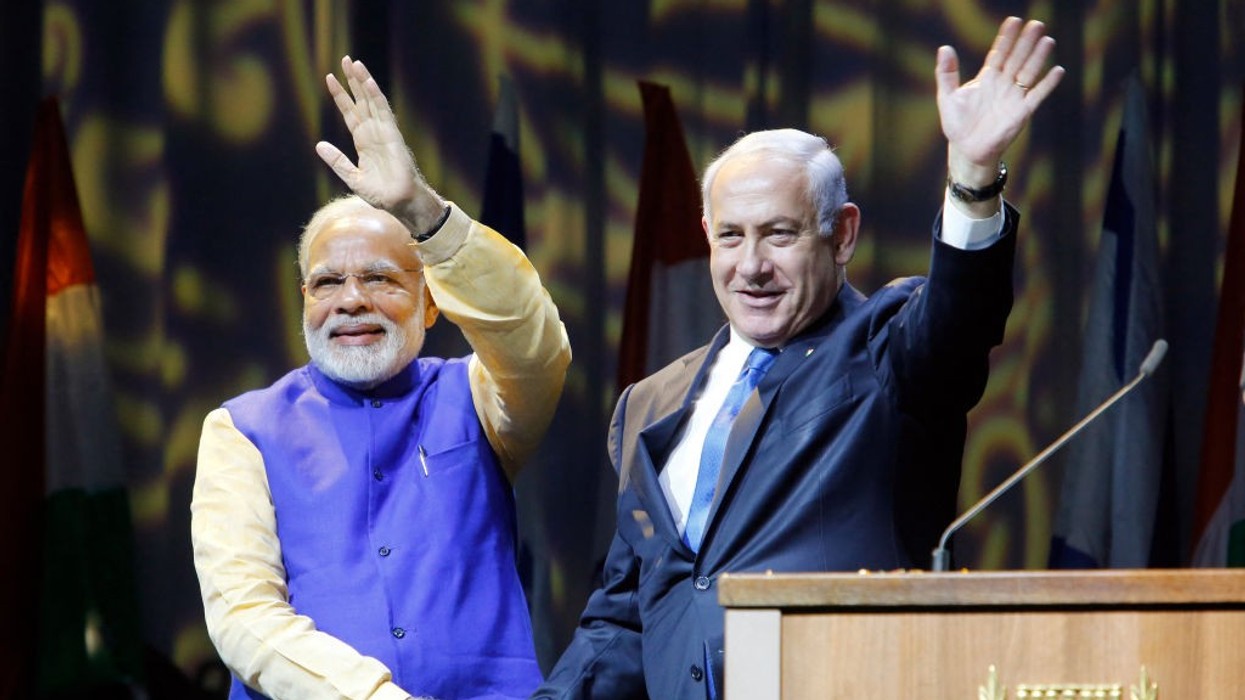
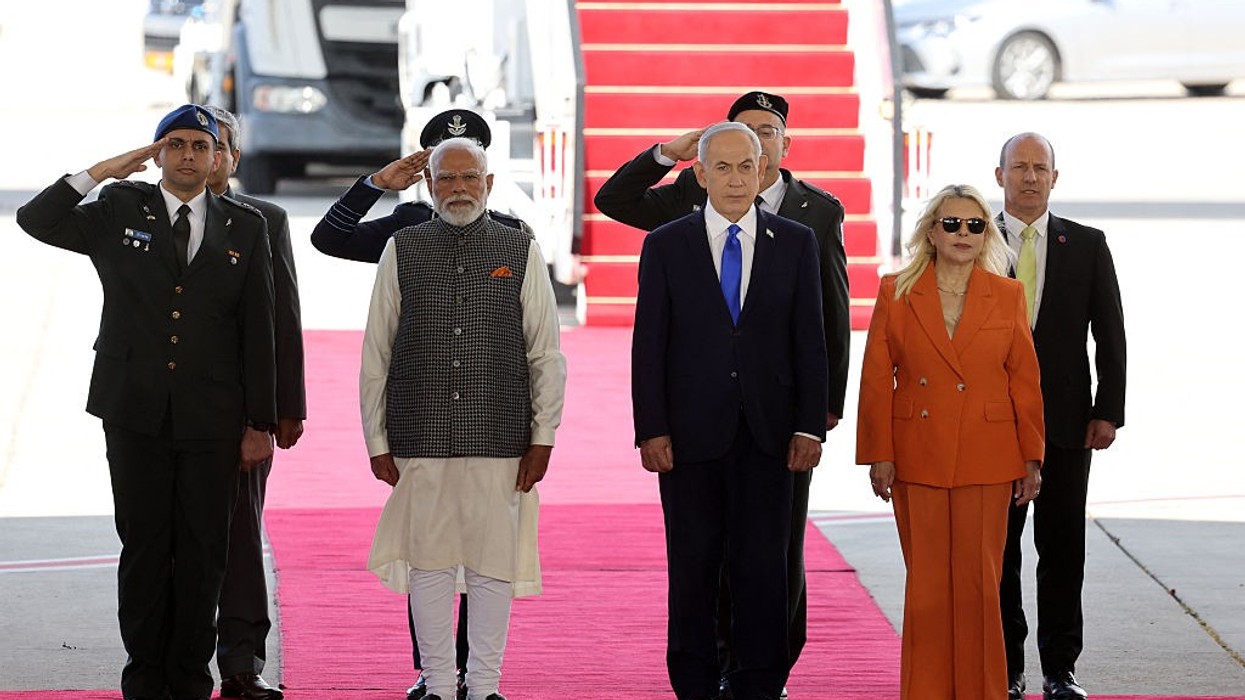
 A historic moment in Israel. The parliament erupted in applause and echoed with ‘Modi, Modi’ chants as PM Narendra Modi prepared to address lawmakers, highlighting the deep ties and admiration… | Times Now