
- US Embassy reiterates warning on strict criminal penalties
- H-1B and H-4 visa appointment delays strand thousands in India
- Trump administration introduces proposed $100,000 H-1B fee
- India raises concerns with Washington over interview cancellations
- Legal battles over fee hike likely headed to the Supreme Court
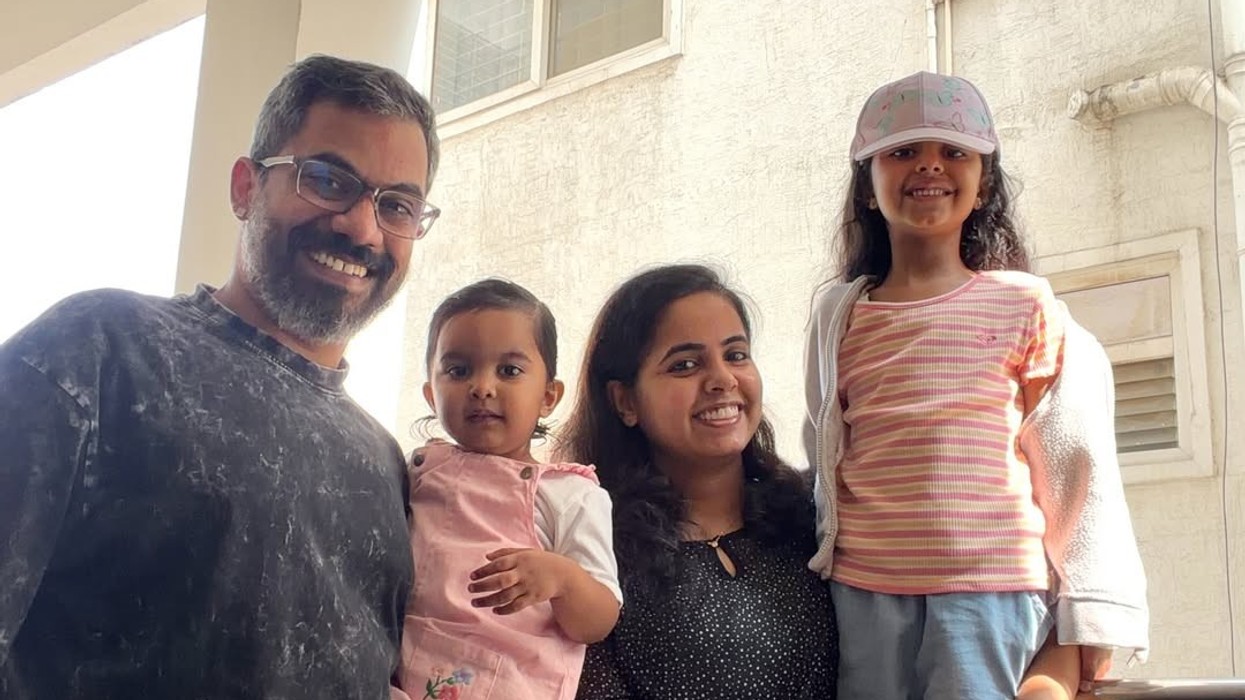
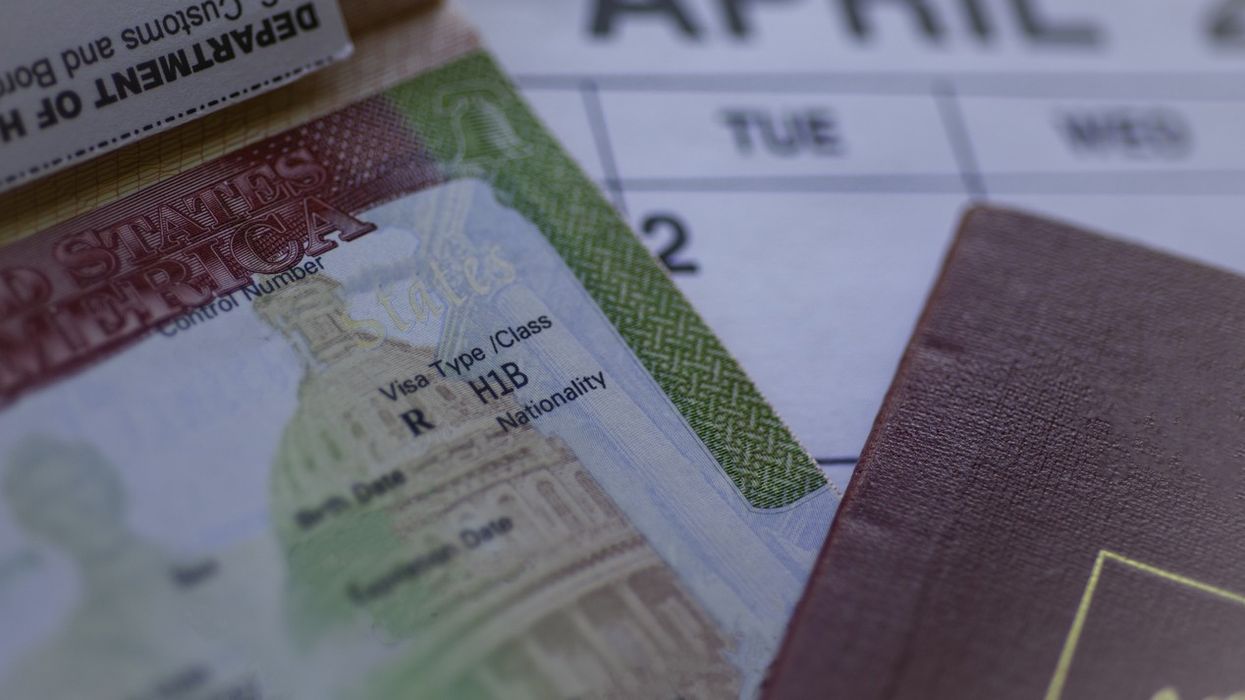
The US Embassy in India has issued a renewed warning emphasizing strict enforcement of American immigration laws, even as thousands of Indian professionals remain stuck in India due to ongoing delays in H-1B and H-4 visa appointments. While the message itself reflects long-standing policy under President Donald Trump’s administration, its timing has drawn frustration from applicants already affected by the disruption.
In a post on X, the embassy stated, “If you break US law, you will be punished with significant criminal penalties. The Trump Administration is committed to ending illegal immigration to the United States and protecting our nation’s borders and our citizens.” The warning came amid heightened anxiety among Indian visa holders and applicants facing postponed interviews and uncertain timelines.
US–India relations in 2025 have experienced notable strain, shaped by reciprocal tariffs, regional security tensions, and increasingly restrictive immigration measures. The tightening of visa policies—particularly those affecting legal pathways such as the H-1B program—has emerged as a major point of friction between the two countries.
The Trump administration has intensified scrutiny of both legal and illegal immigration, arguing that the H-1B program has been misused in ways that threaten national security and disadvantage American workers. In September, President Trump issued a proclamation proposing a $100,000 fee on new H-1B visa applications, triggering alarm across the Indian professional community and US industries reliant on skilled foreign labor.
At the same time, Trump has acknowledged the need for global talent, noting that the US workforce lacks certain specialized skills. This dual messaging—welcoming talent while sharply restricting access—has added to confusion and uncertainty for applicants.
India has formally raised concerns with the US government over the sudden cancellation and deferral of pre-scheduled H-1B visa interviews. According to Indian officials, thousands of interviews set for mid-December were postponed by several months to allow for enhanced vetting, including deeper reviews of applicants’ social media activity and online presence. Some applicants were informed that their interviews had been pushed back as late as May 2026.
The H-1B visa remains a cornerstone of the US employment-based immigration system, particularly for technology, healthcare, and engineering sectors. The proposed fee hike has faced strong opposition from US business groups. The US Chamber of Commerce has appealed a federal court decision that allowed the Trump administration’s plan to move forward, arguing the fee exceeds presidential authority and conflicts with existing immigration law.
Despite these challenges, a federal judge ruled on December 23 that the president acted within statutory authority. Additional lawsuits filed by states, labor unions, and private companies are ongoing, and the issue is widely expected to reach the US Supreme Court.
As legal and diplomatic discussions continue, Indian professionals remain caught between policy shifts, prolonged delays, and an increasingly uncertain future.