
Highlights:
- Anoushka Shankar skipped the 2026 Grammys to prioritize mental health
- She received two nominations this year, her 13th and 14th overall
- The musician spoke candidly about the stress and cost of awards campaigns
- She said winning a Grammy doesn’t matter in a deeper artistic sense
- Shankar stayed in India, performing and working with her band
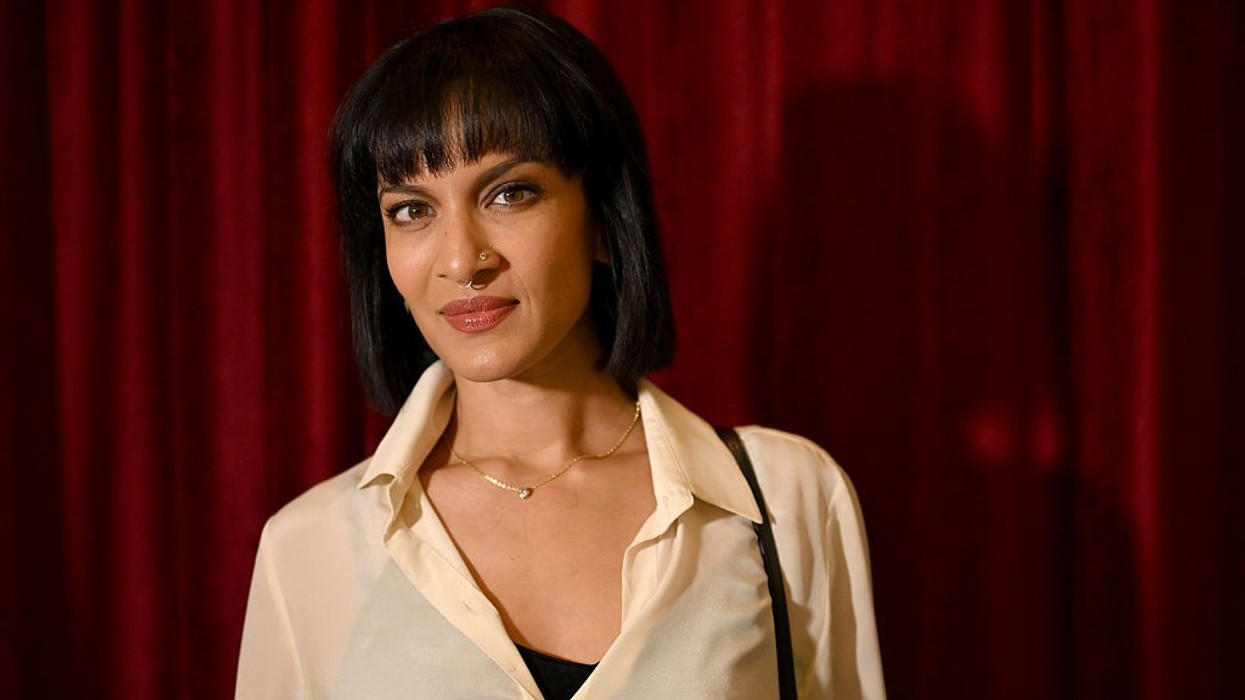
Renowned sitar maestro Anoushka Shankar has revealed why she chose not to attend the 68th annual Grammy Awards in 2026, despite being nominated twice. Taking to Instagram, the musician shared a deeply personal note explaining her decision to stay in India instead of traveling to Los Angeles, citing mental health, artistic values, and the emotional toll of awards season.
Shankar, who has now been nominated 14 times at the Grammys without a win, used the moment to reflect on what success truly means to her as an artist.
Proud of the nominations, but choosing a different path
In her post, Anoushka acknowledged her excitement and pride over this year’s nominations. She was recognized for her album Chapter III: We Return to Light and for Daybreak, the album’s lead track.
“It’s Grammy day today! I’m proud to be twice nominated,” she wrote, noting that these marked her 12th and 13th nominations at the time of posting. She emphasized that being nominated itself was a significant achievement and something she did not take lightly.
However, she made it clear that this year, she consciously chose not to be part of the Grammy spectacle.
The stress behind major award shows
Shankar spoke candidly about the emotional strain that comes with major awards events. While acknowledging the excitement surrounding the Grammys, she admitted that the experience can also be overwhelming.
“It feels really good NOT to be in LA getting sucked into the whirlwind of interlocking excitement and stress,” she wrote. Instead, she opted to be on tour in India during the ceremony, focusing on live performances rather than red carpets and industry events.
She added that she wanted to practice what she often preaches, that awards do not compare to the real connection artists feel when they perform music for an audience.
Mental health and the hidden costs of awards campaigns
Addressing mental health more directly, Anoushka explained that the weeks leading up to the Grammys involve intense preparation, emotional highs and lows, and significant financial costs.
She pointed out that artists often spend thousands of dollars on travel, marketing, appearances, outfits, and promotional efforts, all while dealing with anxiety over nominations and potential losses.
“Starting to hope to win and then not winning again and again can take a toll,” she admitted, emphasizing that this cycle can be emotionally draining, even for seasoned artists.
A reality check on industry dynamics
Shankar also shed light on the behind-the-scenes realities of awards voting. She noted that mainstream artists with larger budgets often have more visibility, allowing them to spend months networking, attending nominee events, and promoting their work directly to voters.
She clarified that her comments did not stem from bitterness but from a desire to acknowledge the system as it exists. Even if she were to win a Grammy someday, she said, it would be joyful, but not life-defining.
“I truly believe it doesn’t matter in a deeper context,” she wrote.
Finding fulfillment in India and live music
Instead of attending the Grammys, Anoushka spent her time in India, performing, rehearsing, and collaborating with her band and crew. She described this experience as the truest expression of her artistic life, especially since Chapter III began its journey in India.
She ended her message by wishing luck to fellow nominees and expressing excitement about upcoming shows in Mumbai.
Anoushka Shankar received her first Grammy nomination in 2003 for Live at Carnegie Hall, becoming the youngest-ever nominee in the Best Global Music Album category. Over the years, she has been nominated multiple times across categories in 2006, 2013, 2015, 2016, 2017, 2021, 2023, 2024, and 2025.
While a Grammy win has remained elusive, Shankar’s message made one thing clear: for her, artistic fulfillment, mental well-being, and meaningful connection with audiences matter far more than any trophy.











 The Pishwa Look, floor-length silhouettenameerabyfarooq.com
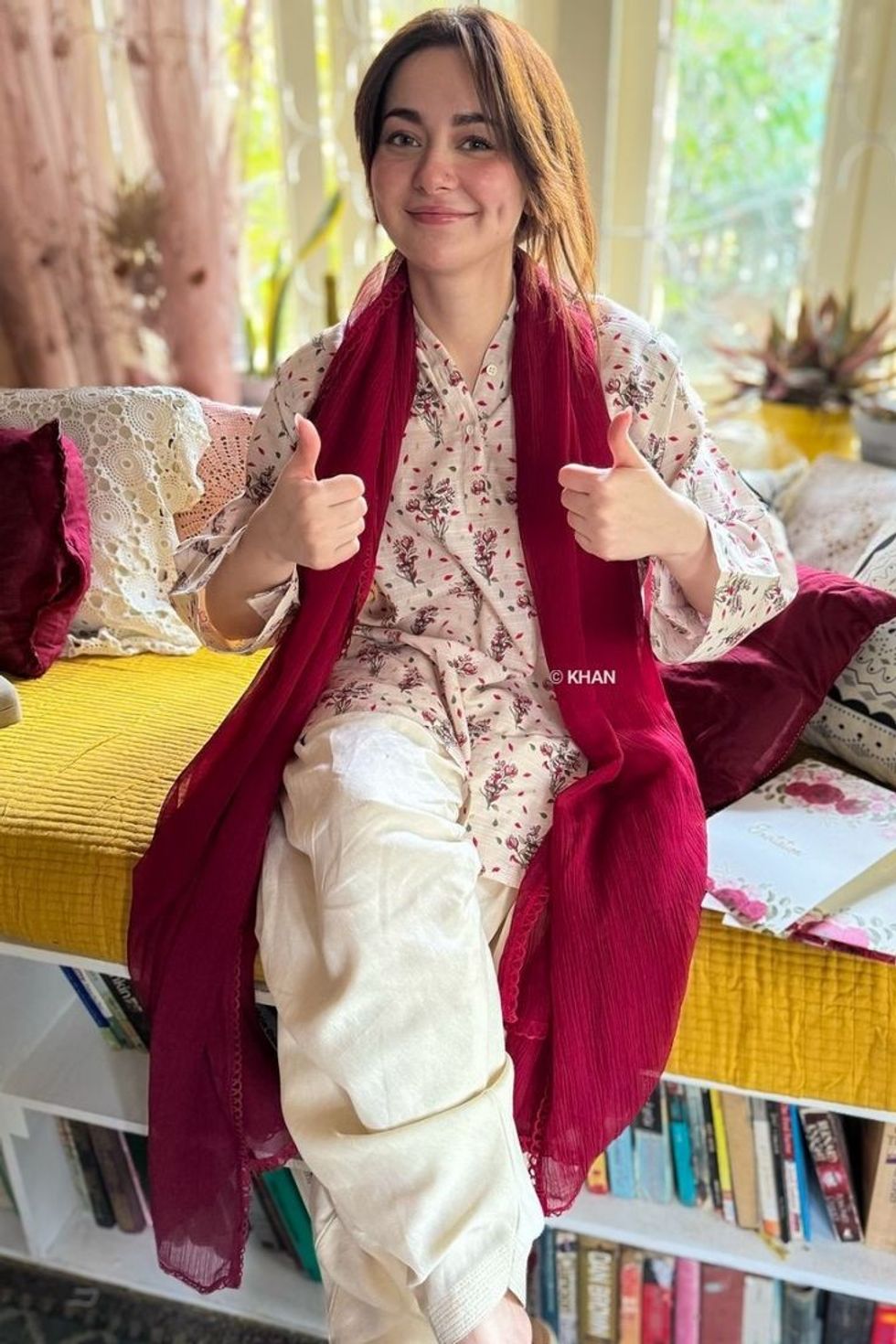 Sharjeena portrayed by Hania Aamir in Kabhi Main Kabhi TumHania Amir / Sharjeena
 The perfect evening look velvet attire.
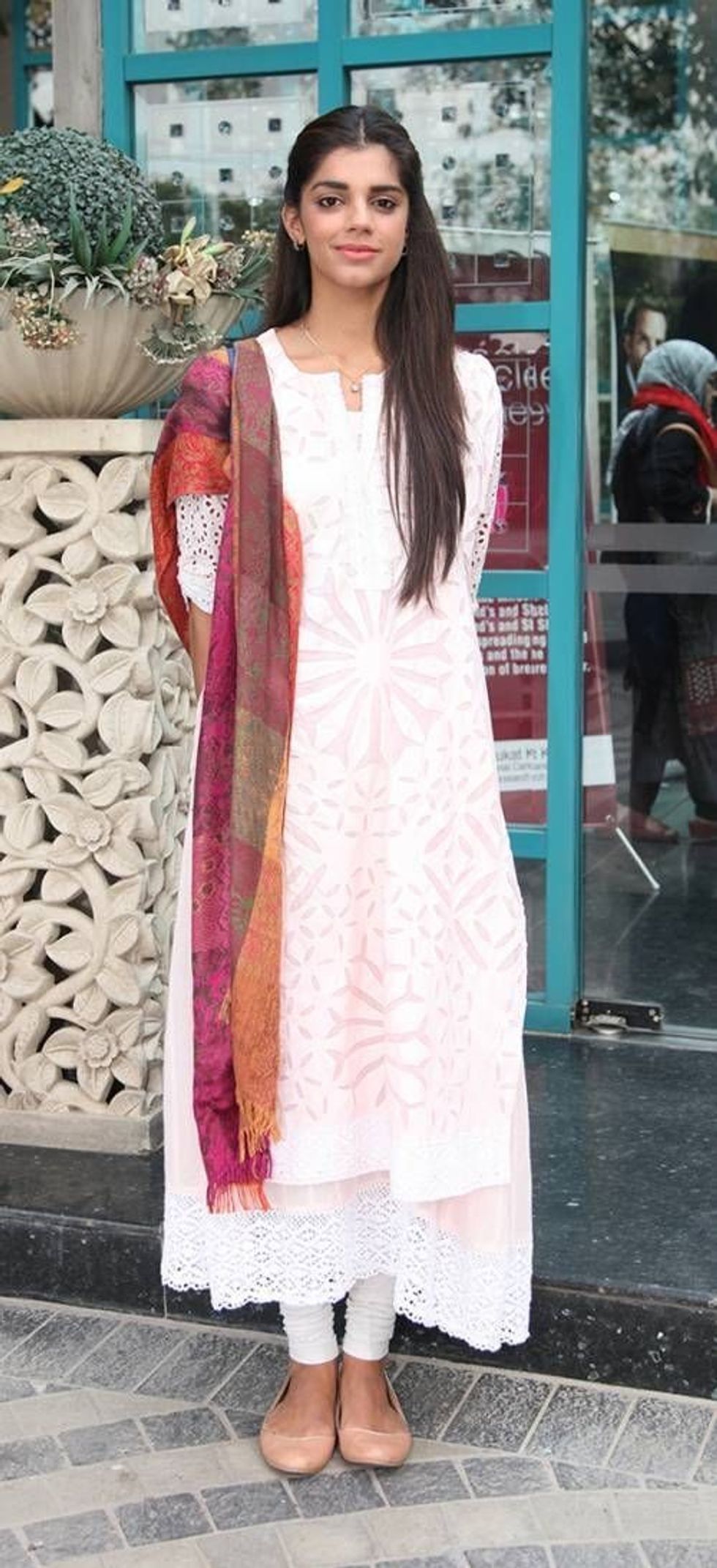 Sanam Saeed's iconic look from Zindagi Gulzar Hai
 The latest fashion in traditional footwear is leather Khussas.https://in.pinterest.com/pin/30540103720789577/
 NCIAP
NCIAP