
Highlights
- Major releases are encountering organised online reactions well before release
- Cultural representation and political messaging are shaping audience discourse
- Filmmakers are navigating a climate where public sentiment can influence perception and promotion
The rise of the pre-release verdict
In 2026, the lifecycle of a major Indian film no longer begins on opening day. Public judgement now forms in stages, often starting with first-look posters, teaser drops and casting announcements. Social platforms have turned anticipation into a space of scrutiny, where audiences debate intent, tone and politics well before a film reaches cinemas.
For studios, this has altered the promotional landscape. Marketing campaigns are no longer just about building excitement but also about managing perception, clarifying context and sometimes responding to criticism in real time.
Cultural representation debates around The Kerala Story 2
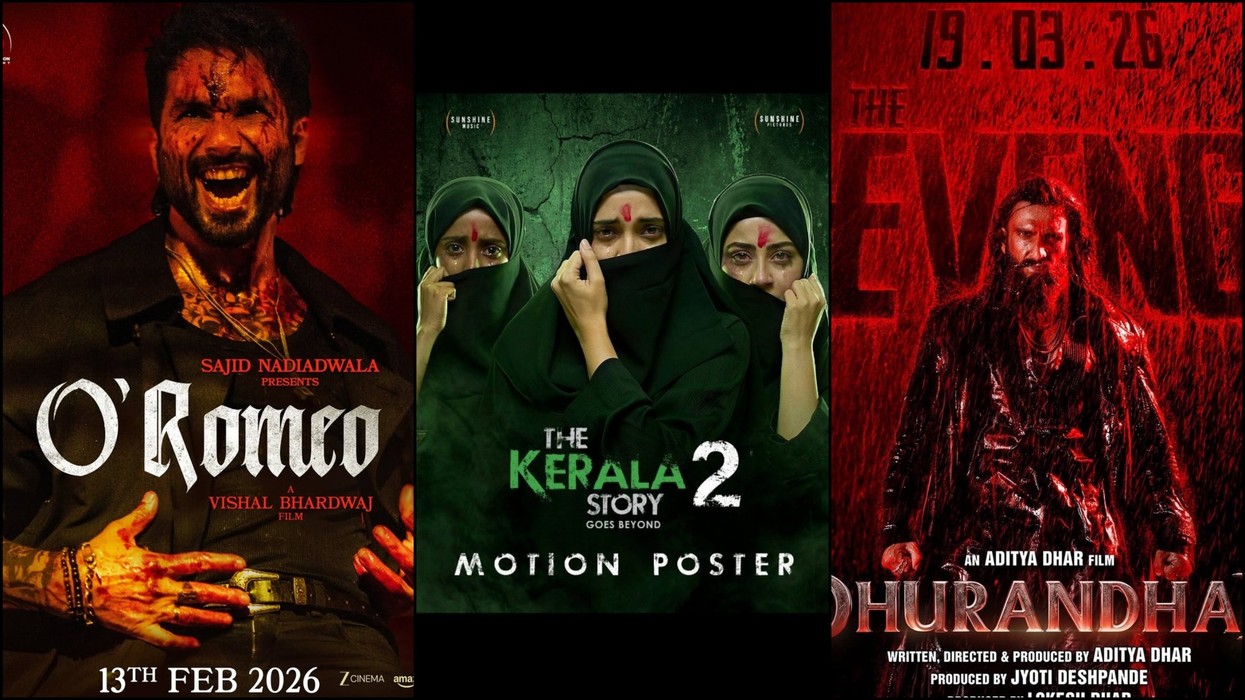
Among the most visible examples is The Kerala Story 2, which has reignited discussions about the line between dramatisation and cultural portrayal. The conversation has moved beyond the film itself into wider anxieties about how regional identities and social realities are interpreted in mainstream storytelling.
What makes the reaction significant is its scale. The debate has involved political voices, commentators and audiences simultaneously, showing how certain projects now function as cultural flashpoints rather than just entertainment releases.
Industry perception and recognition discourse tied to Dhurandhar
With Dhurandhar, the focus has shifted to industry optics. Conversations around distancing from honours and public positioning have fed into a broader discussion about accountability in the film ecosystem.
The response illustrates how off-screen decisions, whether related to awards, promotions or public statements, are now inseparable from how a film is interpreted. For audiences, the context surrounding a project increasingly informs its reception as much as the content itself.
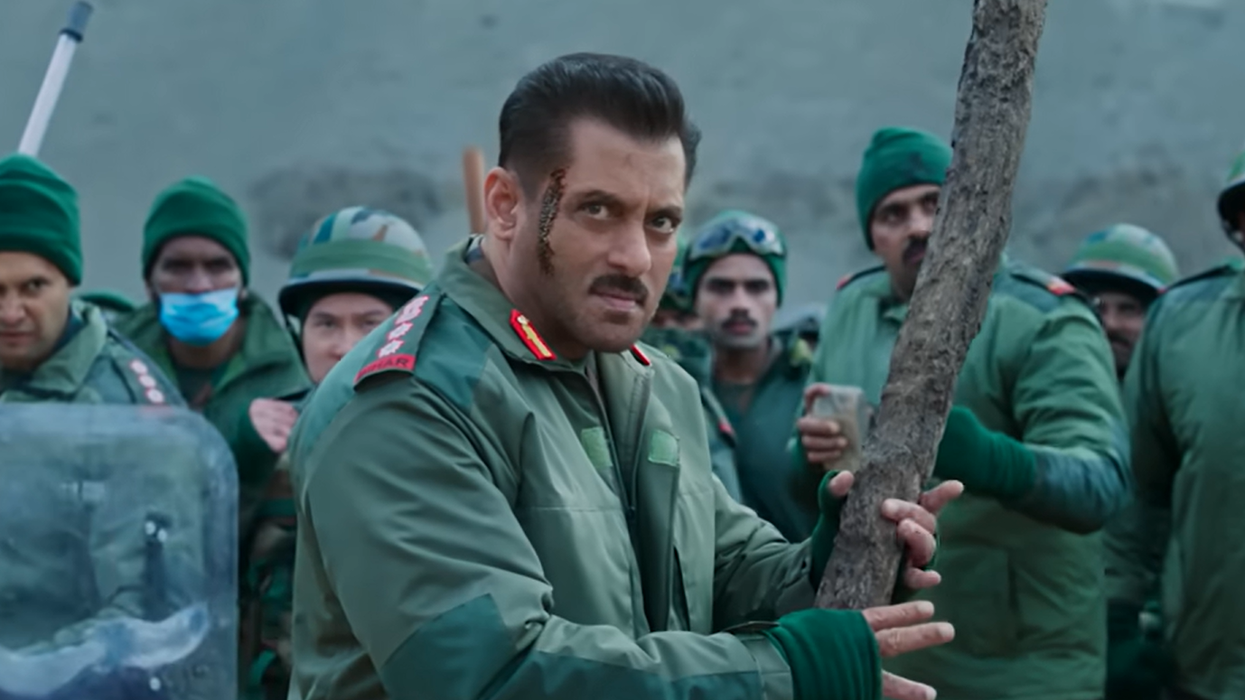
Audience sensitivity and the violence conversation with O Romeo
The discourse around O Romeo reflects another dimension of scrutiny: changing tolerance levels for on-screen intensity. Early reactions have centred on questions of tone, emotional impact and the purpose of depicting violence, signalling a more vocal audience that expects justification alongside spectacle.
This shift points to a broader recalibration in mainstream cinema, where shock value alone is no longer enough and viewers are more willing to question narrative choices.
Cinema in an era of constant public engagement
Taken together, these reactions mark a structural change in how big Indian films exist within the public sphere. The relationship between filmmakers and audiences has become continuous rather than episodic, with conversation unfolding across the entire production and release cycle.
For the industry, the implication is clear: spectacle still drives scale, but scrutiny now shapes legacy. Films are not only competing for box office success but also navigating a cultural environment where perception can evolve daily.



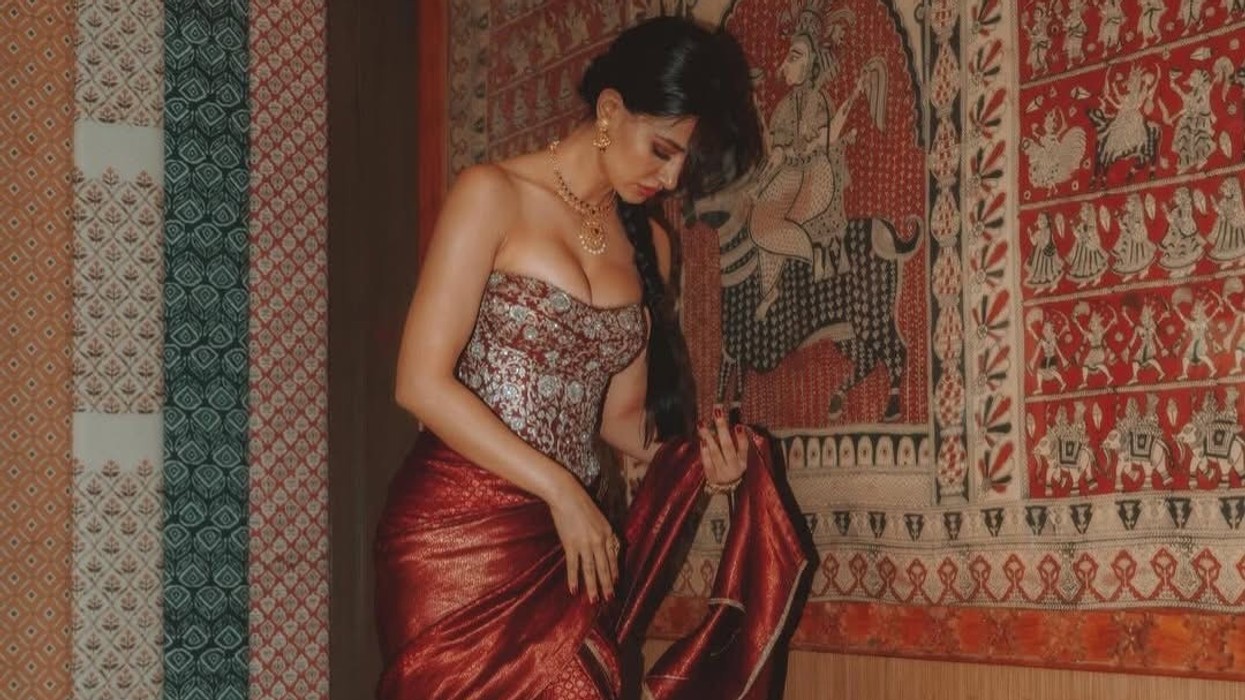
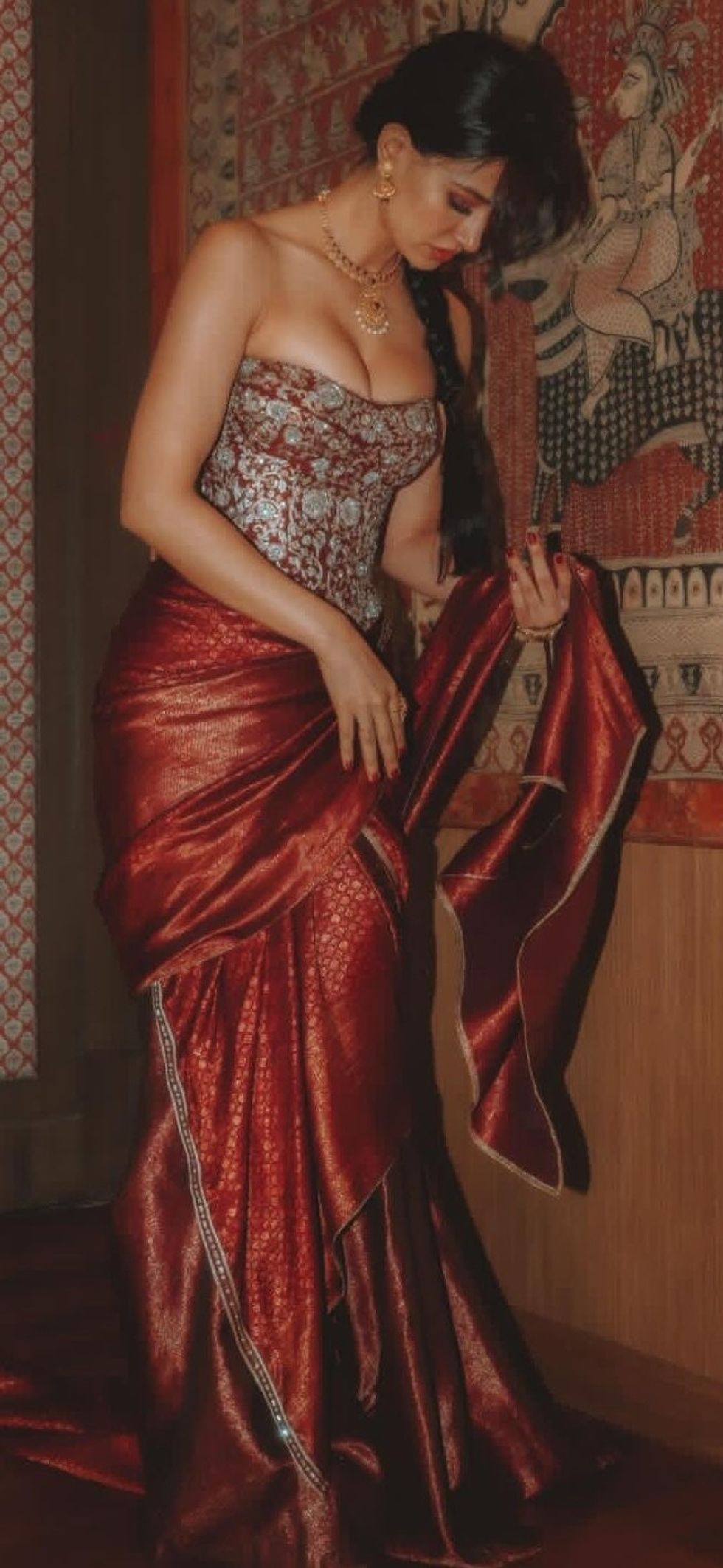 Balancing film buzz with a fashion moment that has taken over social mediaX/ Enter10ON
 Fans praising the energy and confidence she brings to the screenX/ TopActressEver
 A viral fashion moment has once again placed her firmly in the public eyeX/ Enter10ON
 Disha Patani appears to be entering a busy phaseX/ Enter10ON