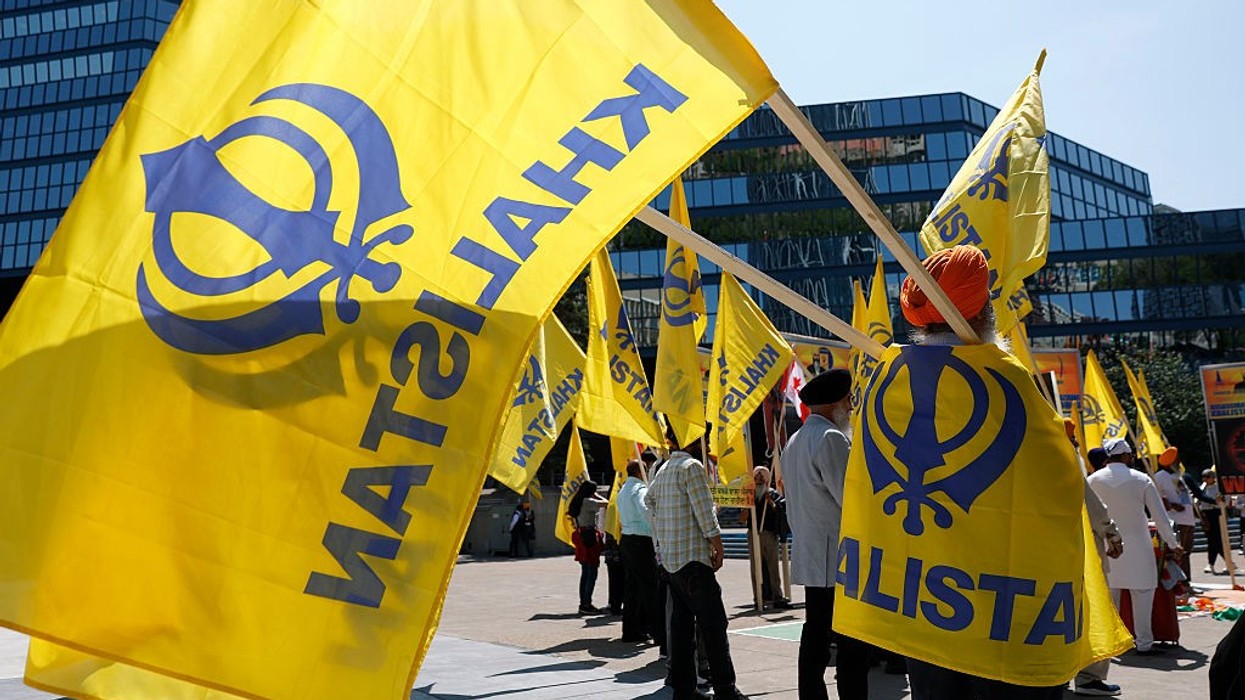

Canada’s House of Commons has passed legislation that would make it illegal to display terrorist symbols, including flags associated with Khalistani groups such as Babbar Khalsa International, as well as intimidate or obstruct people outside places of worship.
The proposed law, known as the Combating Hate Act, now heads to the Senate for further approval. If enacted, it would restrict public displays and activities seen as glorifying terrorism, including the promotion of separatist movements through flags, symbols, or literature.
The bill is being viewed as a significant development by many in the Indo-Canadian community, who have long raised concerns about harassment and intimidation by pro-Khalistan activists. Over the years, there have been repeated reports of demonstrations and blockades outside temples and community institutions, as well as incidents of vandalism targeting religious and cultural sites.
The Khalistan movement seeks to establish an independent Sikh homeland in India’s Punjab region. The movement was associated with a violent insurgency in India during the 1980s and early 1990s, which later declined. However, some groups linked to the movement have remained active overseas, particularly in countries like Canada, where they have operated within the bounds of free speech and religious expression.
Organizations such as the International Sikh Youth Federation, along with Babbar Khalsa International, are already designated as terrorist entities by both India and Canada. The new legislation is expected to further limit their public presence and activities by targeting symbolic support and public advocacy tied to these groups.
The issue has also had broader diplomatic implications. Canada’s handling of Khalistani activism has long been a source of tension with India. Relations worsened significantly under former Prime Minister Justin Trudeau, particularly after he accused India of involvement in the 2023 killing of Hardeep Singh Nijjar, a figure India had labeled a terrorist. The fallout included diplomatic expulsions and sharp political exchanges between the two countries.
Since Mark Carney assumed office, relations between India and Canada have shown signs of improvement. The passage of this bill may further signal a shift in Canada’s approach to addressing extremism and balancing civil liberties with public safety concerns.
If approved by the Senate, the law could mark a turning point in how Canada regulates extremist symbolism and responds to long-standing concerns from affected communities.


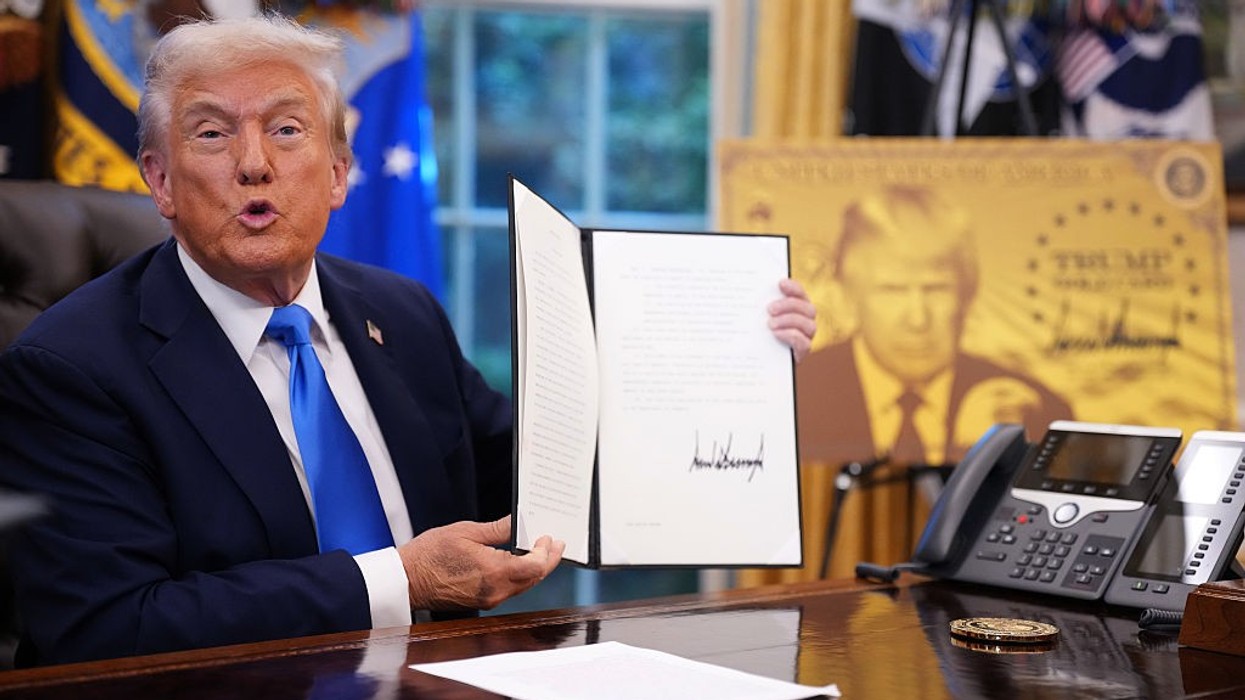
 President Donald Trump signs an executive order to try to bring jobs back to American workers and revamp the H-1B visa guest worker program during a visit to the headquarters of tool manufacturer Snap-On on April 18, 2017 in Kenosha, Wisconsin. Getty Images