
Highlights
- Children who receive a smartphone before age 12 show higher rates of depression, poor sleep and obesity
- Findings come from data on more than 10,500 participants in a major long-term brain development study
- Researchers say early phone access may reduce time spent sleeping, exercising and socialising
- Experts urge parents to delay smartphone use when possible and to set clear limits
New study examines early smartphone use
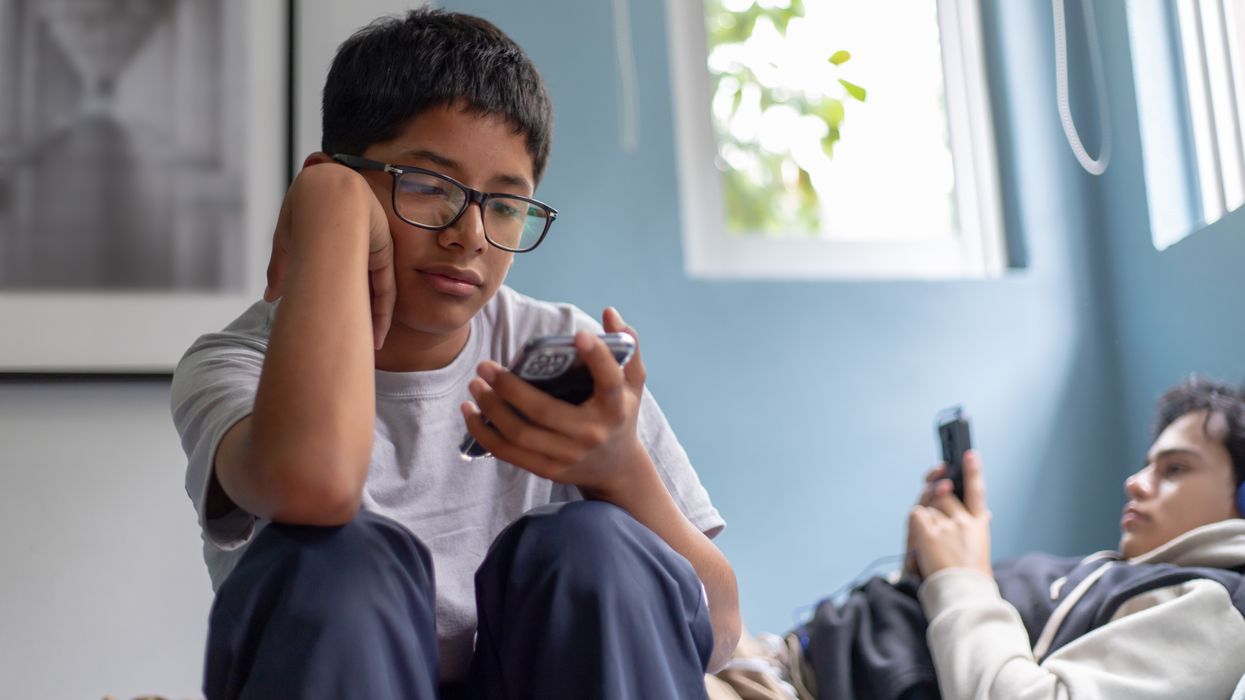
A new study published in Pediatrics finds that children who have a smartphone by age 12 face greater risks of depression, insufficient sleep and obesity compared with peers who do not yet have one. The findings come from more than 10,500 participants in the Adolescent Brain Cognitive Development Study, the largest long-term look at children’s brain development in the United States.
Researchers report that the younger a child under 12 is when they receive their first phone, the higher their risk of poor sleep and weight issues. In a subgroup of children who did not have a phone at age 12, those who received one within the next year showed more concerning mental health symptoms and worse sleep than those who still did not own a device.
Dr. Ran Barzilay, the study’s lead author and a child and adolescent psychiatrist at Children’s Hospital of Philadelphia, says parents should view a smartphone as something with significant implications for a child’s health.
What the findings tell us — and what they cannot prove
The study shows an association rather than proof that smartphones directly cause health problems. Researchers point to earlier work suggesting that early access may reduce face-to-face socialising, exercise and sleep, all key to healthy development.
The purpose, Dr. Barzilay notes, is not to criticise parents who have already given devices to their children. Smartphones are now embedded in teen life, and the median age for a first phone in the study was 11. A recent Pew report finds that nearly all American teenagers have smartphone access.
Experts say age makes a difference. “A 12-year-old is very different from a 16-year-old,” Dr. Barzilay says, urging parents to consider timing carefully.
Jacqueline Nesi, a psychiatry professor at Brown University, says that while the research cannot prove cause and effect, the results may encourage parents to delay phone access when possible. She adds that families should feel confident in making cautious decisions even without perfect evidence. Giving a child unrestricted internet access, she says, carries risk.
Protecting sleep remains essential
Sleep is one area where specialists find strong consensus. Smartphones in bedrooms can significantly disrupt rest. A 2023 study using the same national data set found that 63 percent of 11- to 12-year-olds had an electronic device in their bedroom, and nearly 17 percent reported being awakened by notifications during the previous week.
Dr. Jason Nagata of the University of California, San Francisco, who worked on the earlier study, says removing phones from bedrooms overnight is a straightforward way to help limit harm, even for children who already have a device.
He acknowledges, however, that this can be challenging for families.
How parents can use the findings
Dr. Barzilay, a parent himself, says he gave two of his children smartphones before age 12 but does not plan to do the same for his youngest, who is nine. He encourages parents to consider the new data as part of their decision-making.
He stresses that early phone access does not doom a child to future problems. Instead, he says, the findings show the need for parents, policymakers and communities to work together to create healthier guidelines around children’s smartphone use.













 The Pishwa Look, floor-length silhouettenameerabyfarooq.com
 Sharjeena portrayed by Hania Aamir in Kabhi Main Kabhi TumHania Amir / Sharjeena
 The perfect evening look velvet attire.
 Sanam Saeed's iconic look from Zindagi Gulzar Hai
 The latest fashion in traditional footwear is leather Khussas.https://in.pinterest.com/pin/30540103720789577/
 NCIAP
NCIAP
 UK and European travellers can access discounted flights to PolandLOT
 Airlines are using Valentine’s Day to encourage forward bookingsTravelUp
 Self-care takes centre stage this Valentine’s DayUNice
 Remote workers and households looking to invest in smarter energy solutionsALLPOWERS