
Highlights:
- Dan Bongino will leave his role as FBI deputy director in January
- He served less than one year after being sworn in on March 17
- FBI findings under his tenure contradicted several conspiracy theories he once promoted
- Investigations reaffirmed Epstein’s death as a suicide and ruled out broader conspiracies
- Following evidence over ideology marked the defining feature of his tenure
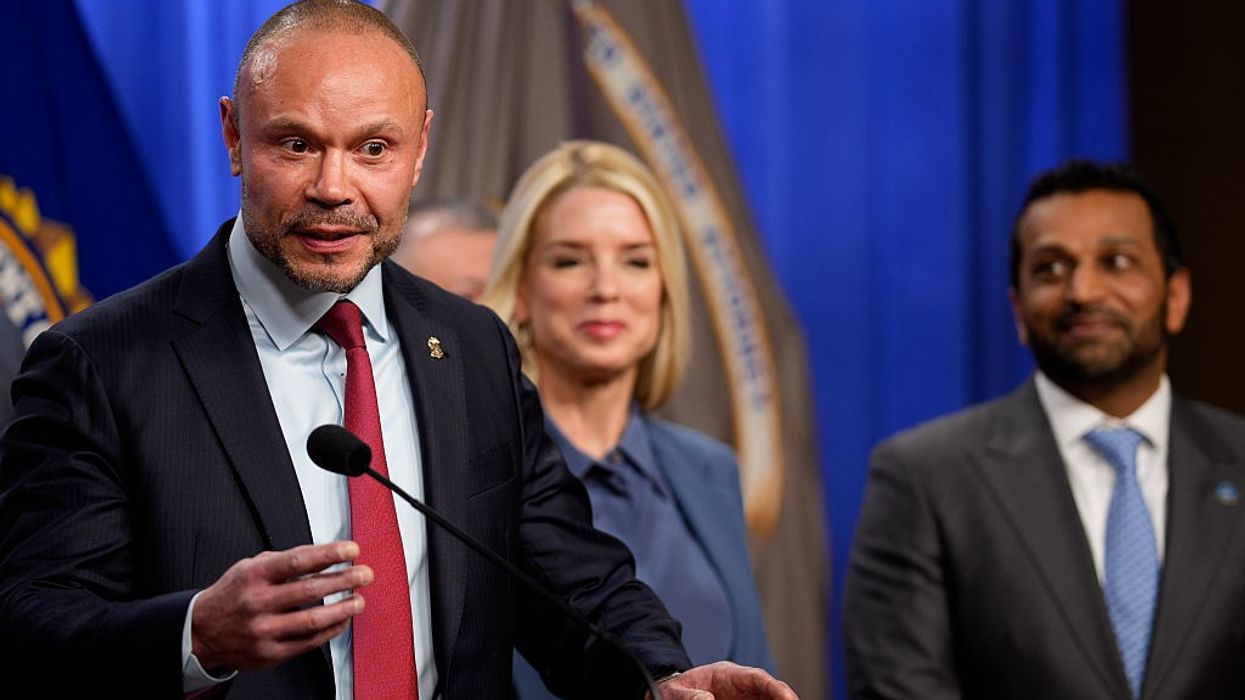
Dan Bongino began 2025 as a conservative podcaster and commentator. By March 17, he had been sworn in as deputy director of the Federal Bureau of Investigation. Now, less than a year later, Bongino has announced he will leave the post in January, closing one of the shortest and most unusual tenures in modern FBI leadership.
Bongino entered the bureau with a reputation as a vocal critic of federal law enforcement and an outspoken believer in several high-profile conspiracy theories. That background shaped expectations, both supportive and skeptical, about how he would operate inside the institution he once questioned so forcefully.
During his time as deputy director, the FBI released findings that ran counter to many of the claims Bongino had previously advanced in his media career. The bureau concluded that its exhaustive review of the Jeffrey Epstein case uncovered no evidence of a secret “client list,” no credible proof of blackmail involving prominent individuals, and no grounds for investigating uncharged third parties. The FBI also reaffirmed that Epstein died by suicide.
Additionally, an investigation into the January 6 pipe bomber determined the suspect was a lone individual, rather than part of an expansive conspiracy reaching into the highest levels of government. This conclusion directly contradicted theories Bongino had once suggested publicly, including claims of coordinated political involvement.
While critics might point to these outcomes as ironic or even embarrassing, there is another way to view Bongino’s tenure. Once inside the bureau, he helped oversee investigations that followed evidence rather than ideology—and then publicly accepted conclusions that challenged his prior beliefs. That shift, intentional or not, represents the system working as designed.
The FBI is not meant to validate preconceived narratives, regardless of where they originate. It is meant to investigate facts, assess evidence, and abandon theories that are not supported by proof. Under Bongino’s leadership, the bureau did exactly that, even when the findings cut against the expectations of his own audience and political allies.
In that sense, Bongino’s tenure may have served a broader public purpose. He entered office as a skeptic of institutions and left having participated in one that forced him to confront inconvenient truths. While his time at the FBI was brief, it underscored an essential principle of law enforcement: conclusions must be driven by evidence, not belief.
As Bongino exits the bureau, his legacy may be less about policy or reform and more about demonstrating that following the facts—especially when they upend personal convictions, is still the FBI’s core obligation.