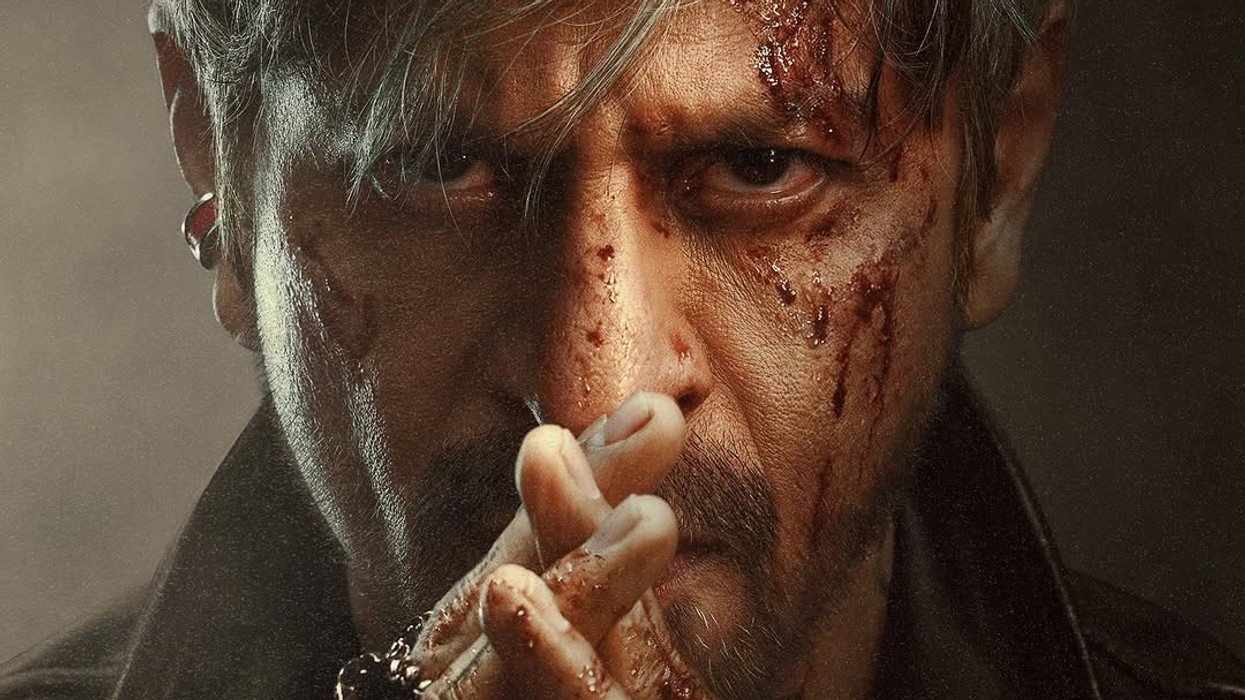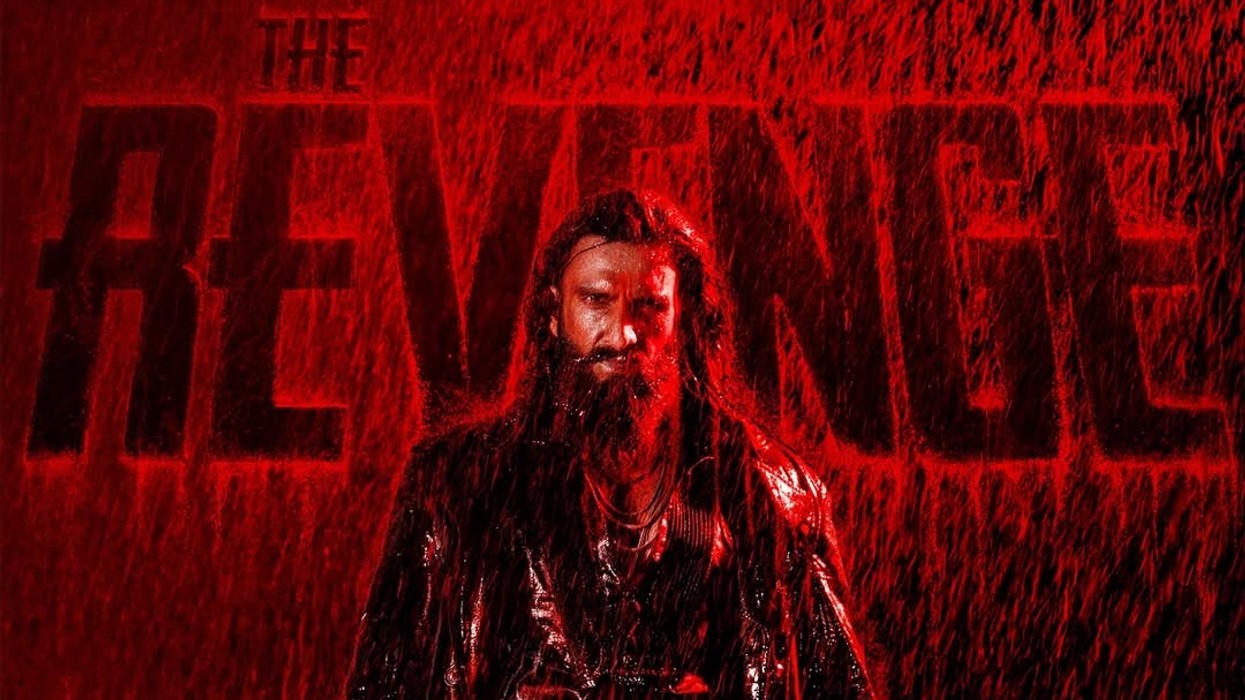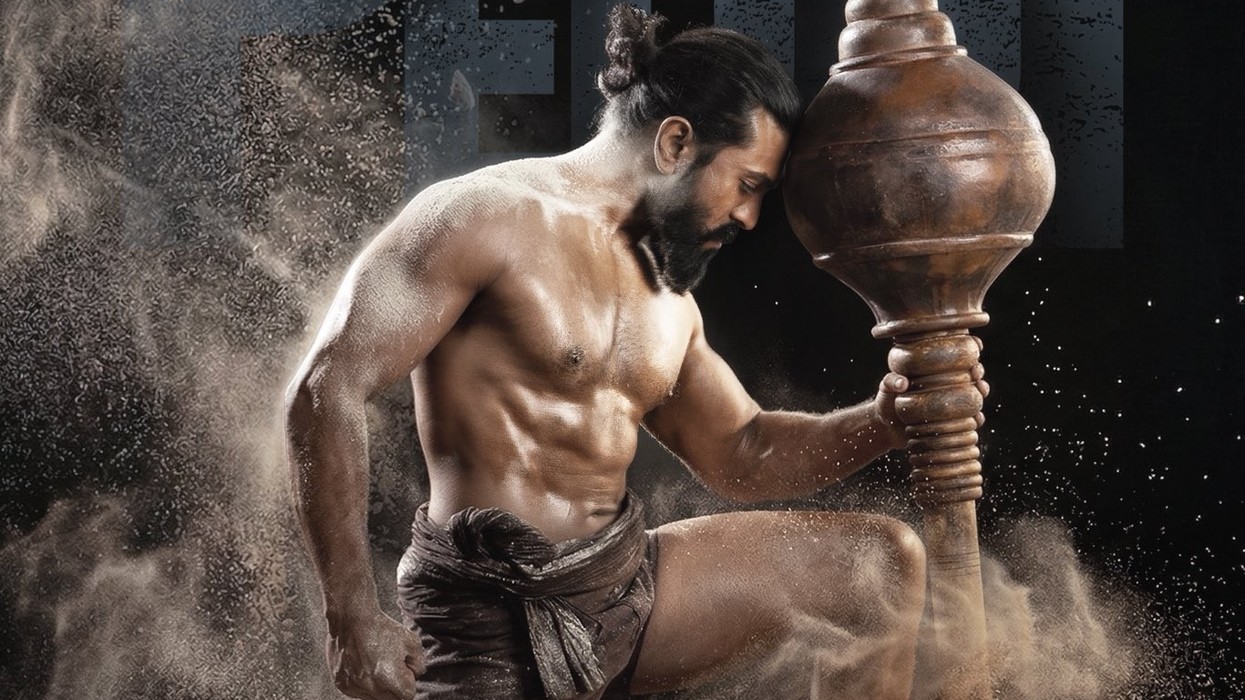

The multi-starrer film Dhurandhar The Revenge has broken its own box office record by earning more than $156.6 million worldwide in just 10 days of release. As exciting as the first part, Dhurandhar was, director Aditya Dhar managed to introduce all the characters and set the environment.
But second part Dhurandhar The Revenge was moreover of finishing the battle and putting out the characters of Ranveer Singh, of how he became Hamza Ali Mazari (Indian spy in Pakistan) from Jaskirat Singh Rangi (a young village boy from Punjab), while he was getting trained as a third generation army personnel, he faced the reality and unfortunately his life took turn where there was no U-turn to happy life.
Many other characters, like Arjun Rampal's devilish character and his back story was also focused upon, but despite all the characters' introductions and all the scenes, there were certain episodes that director Aditya Dhar very cleverly left 'open to interpretation' to the audience. Considering his audience is intelligent and smart, he choked up on explaining in detail and showed the larger part of these small bits. Here are some facts, or rather spoilers, which are worth giving the film a second watch if you missed them in the first watch:
1. Ranveer Singh's Jaskirat side:
 X
X
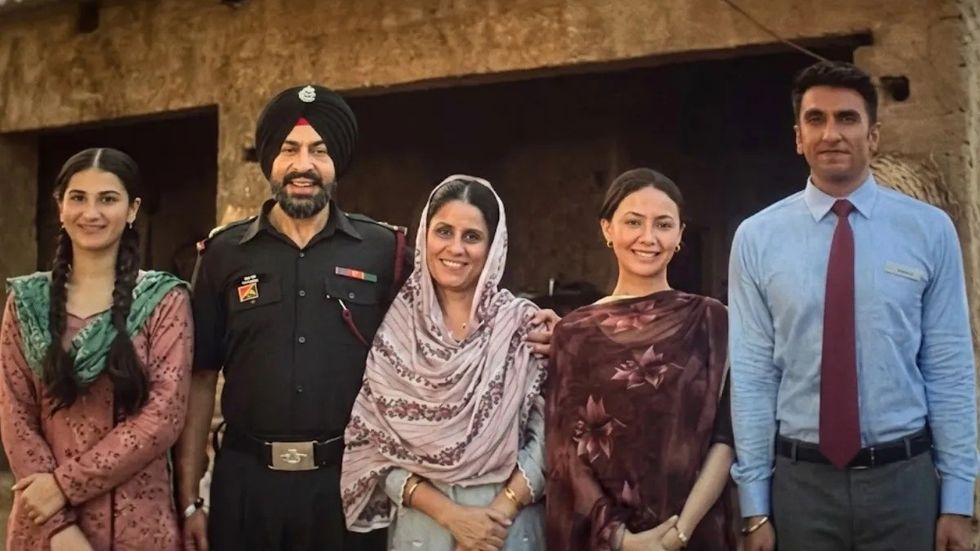
A boy who was hoping that his family was safe and sound in their village came back to see his father and elder sister brutally murdered by a local politician, and his younger sister kidnapped. He shows the character transformation from a young, sweet boy to a revengeful youth who decides to protect the nation and sacrifice his bright future. As soon as he sees his younger sister tied with ropes, his expression changes back to fear and helplessness.
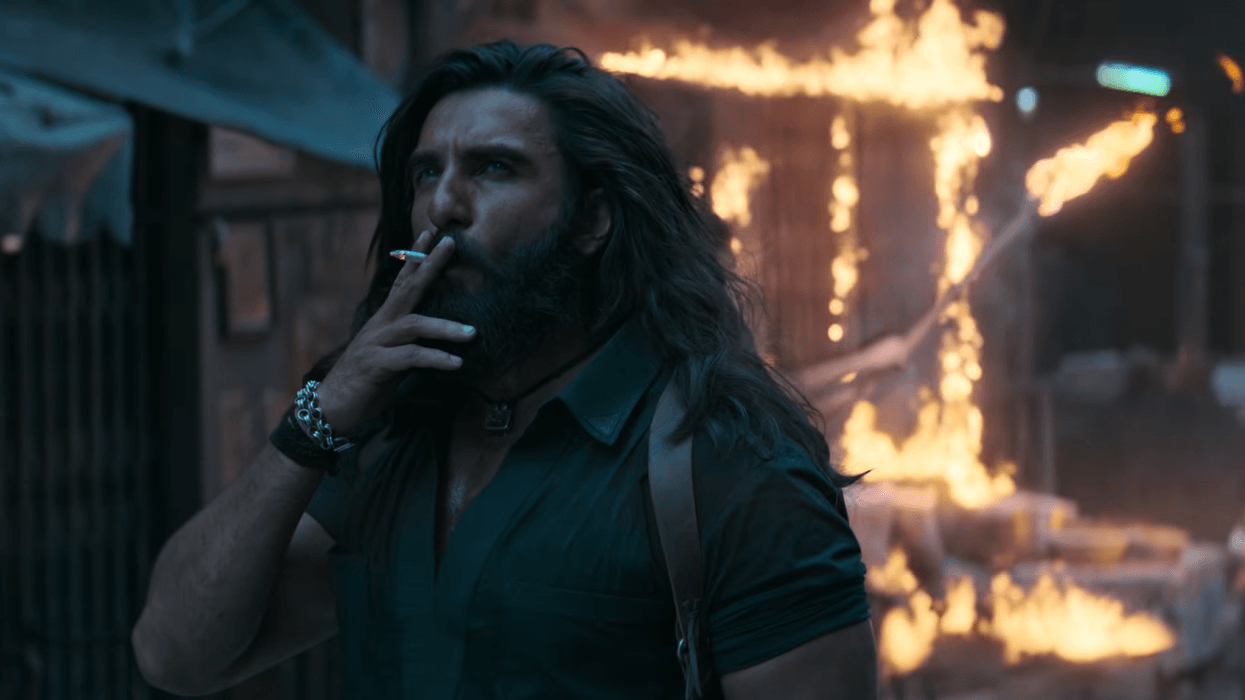
While the character transforms from Jaskirat to Hamza, in the end scene, he is shown burning his wife's and son's family photo, showing he is burning the Pakistani side of life, but also before donning the pagg (Sikh), he crushes the cigarette box, showing that Sikhs do not smoke, and respecting the culture he was brought up in. He displays the same expression that he had when he had seen his sister in the dark room of the politician.
2. Rakesh Bedi's Jameel Jamali character:
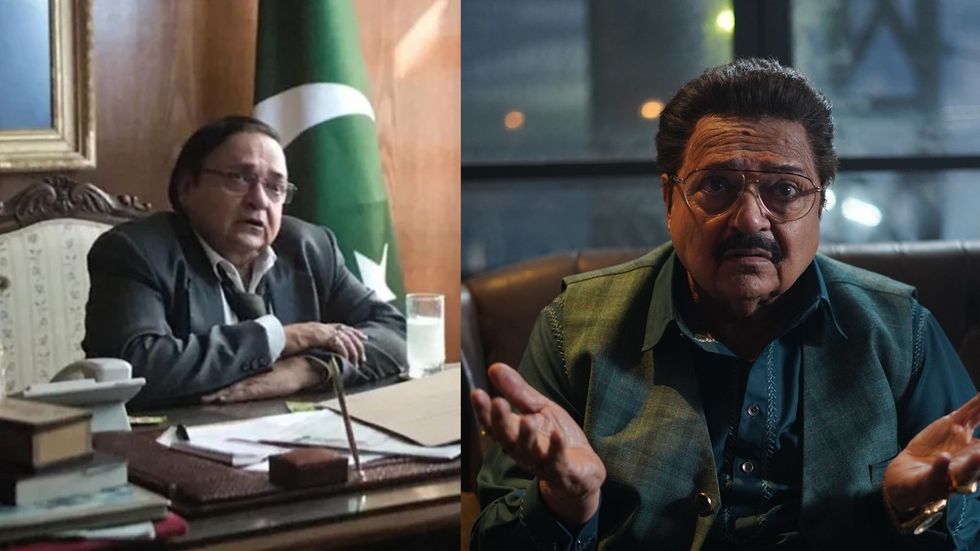 Rakesh Bedi as Jameel Jamali in Dhurandhar (R) and ISI agent in Uri: The Surgical Strike (L)Instagram/@therakeshbedi
A very surprising ending to the character of Jameel Jamali was actually built way before the Dhurandhar release. The Aditya Dhar universe had introduced his character in the film Uri: The Surgical Strike in 2019. He was shown as an important figure in the Pakistani government, but also an Indian spy. In Dhurandhar The Revenge, Rakesh Bedi's character Jameel Jamali is shown helping Hamza evacuate, which has blown the minds of the fans.
3. Humza's ghost version
Although many fans found it irrelevant, considering the scene itself, following Alam's (Gaurav Gera) character's death. Hamza meets his old friend from his life as Jaskirat, who had helped him with the attack on the father's killers. While the tension in the bathroom scene meets with an interval, leaving the tense audience craving for the post-interval part more. The friend Pinda, played by Udaybir Sandhu, is a drug dealer who visits Pakistan for a big drug deal relating to the actual drug peddling happening in Punjab.
He is shown consuming all sorts of drugs, and suddenly, as the drugs start affecting him, he watches Hamza turn into a ghost. The reason? The psychostimulants (like high‑dose amphetamines and cocaine) overstimulate dopamine D2 receptors; this can produce vivid, life‑like hallucinations and paranoid misinterpretations of real people. Especially 'party drugs' have this effect, and naturally, for Pinda, Jaskirat was dead; meeting him after so many years, it triggers his brain, and he watches Hamza as unreal, his brain is overstimulated, and it leads to hallucinations.
Interestingly, that few-second scene of Ranveer Singh as a ghost is not AI as fans have claimed, it took several hours to achieve this look, the makeup artist Preetisheel Singh. Another genius peak detailing by Aditya Dhar.
4. Javed Khanani and death by suicide after demonetisation in India
 Instagram/@ankitsagar1234
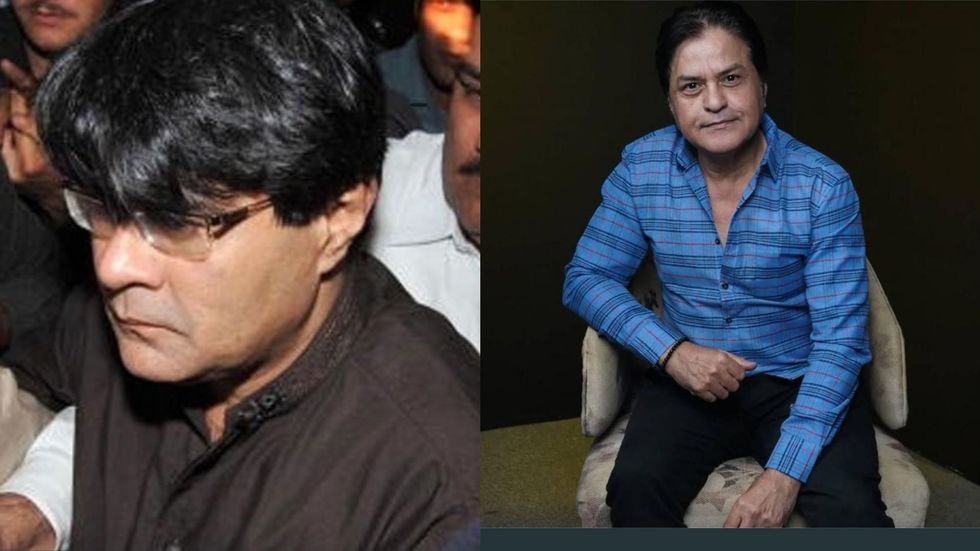
In the film, Javed Khanani is shown as the mastermind behind the fake currency racket in India. He was a low-profile mastermind running a global hawala empire with his twin brother, quietly funding terror networks and state operations.
Originally, he was a Karachi-based businessman linked to large-scale fake Indian currency and money laundering networks. He died in December 2016 after falling from an under-construction building in Karachi. His death was officially termed a suicide, though some reports suggested possible foul play; theories linking to India's 2016 demonetisation shown in the film have no firm proof because the reports never came out to the media.
5. Is Ranveer's character real?
 Times Now
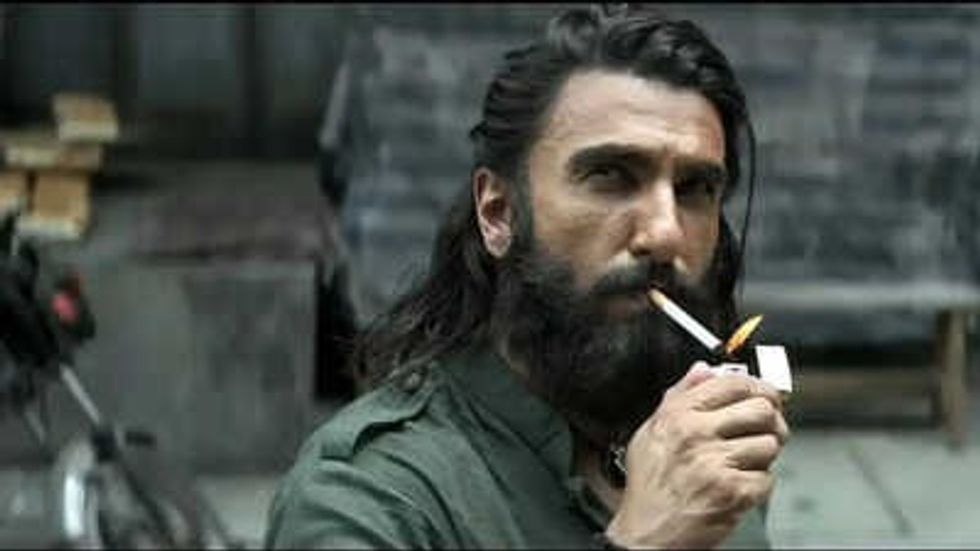
It pains to say that this Ranveer Singh's character is fictional, but in the first part it was related to Major Mohit Sharma who was an undercover agent, because of Ranveer Singh's Humza character's hairstyle and eye color he was related to Major Mohit Sharma. It is an amalgamation of several such agents who have been undercover and have sacrificed their lives, staying in the shadows forever.
It is not only inspired by Major Mohit Sharma, but also by agents like Ravindra Kaushik, also known as 'Black Tiger', who used to be part of India's intelligence agency RAW.
6. Why did Alam kill himself?
The most beloved character of Alam Juice Wala, the first spy whom Ranveer Singh's character Hamza Ali Mazari had met, played by Gaurav Gera, meets with a tragic end. While the audience had gasped while watching the scene of him being killed by one of his own kind. The scene itself has depth.
While all these years, Alam was more of a source of connection in Pakistan for all the spies coming from India, he saw Hamza getting deeper into Pakistani politics, and while he accidentally kills Pinda (Jaskirat's friend and drug dealer), the scene escalates. Before this, Hamza is seen interacting with Alam. While he gives a ring to Hamza, he says, 'I will take care of it,' meaning he wishes to eliminate Pinda even before Pinda kills himself.
But in the heat of the moment, the story takes a different turn, where Pinda recognizes Hamza and moves forward with the drug deal. In the moment of panic, Alam sees Hamza getting blamed for killing an Indian, who was beneficial for all the Pakistan high-profile criminals; it was simply not possible to declare Pinda as an Indian spy.
Alam immediately takes the blame and asks Hamza to spare him from the torture he might face if found alive. Hamza later finds out that Bareily ka pocket-maar (Bareily's pocketpicker) Alam is actually from the city of Bareily in Uttar Pradesh, where he used to drink the salty hard water tea, which they had in the tea shop regularly, which reminded him of his village.
7. The famous Balochi firing
- YouTube youtu.be
In the scene where Hamza visits Balochistan, he is welcomed with a very unique Balochi dance. Many fans thought this was just a stunt, but originally, this was a tradition followed by the Balochi people. A high-energy desert camp celebration, where men spin through traditional dance moves as rifles into the air in sync with the rhythm.
The sequence draws from real Balochi traditions of 'firing while dancing,' where weapons symbolize honor, masculinity, and memories of conflict rather than serving as mere props. Each gunshot lands like a beat, transforming the dance into a symbolic battlefield that celebrates bravery and defiance. At the same time, the scene subtly reveals how joy, masculinity, and violence can intertwine, making it both thrilling and slightly unsettling for viewers.