
Highlights:
- Intercepted debris caused minor damage on a building in central Dubai.
- No injuries reported; affected building evacuated as a precaution.
- UAE air defenses have intercepted 268 missiles and over 1,500 drones since the conflict began.
- Six civilians were killed and 131 injured in UAE attacks.
- Flight disruptions and stock market declines reported across the region.
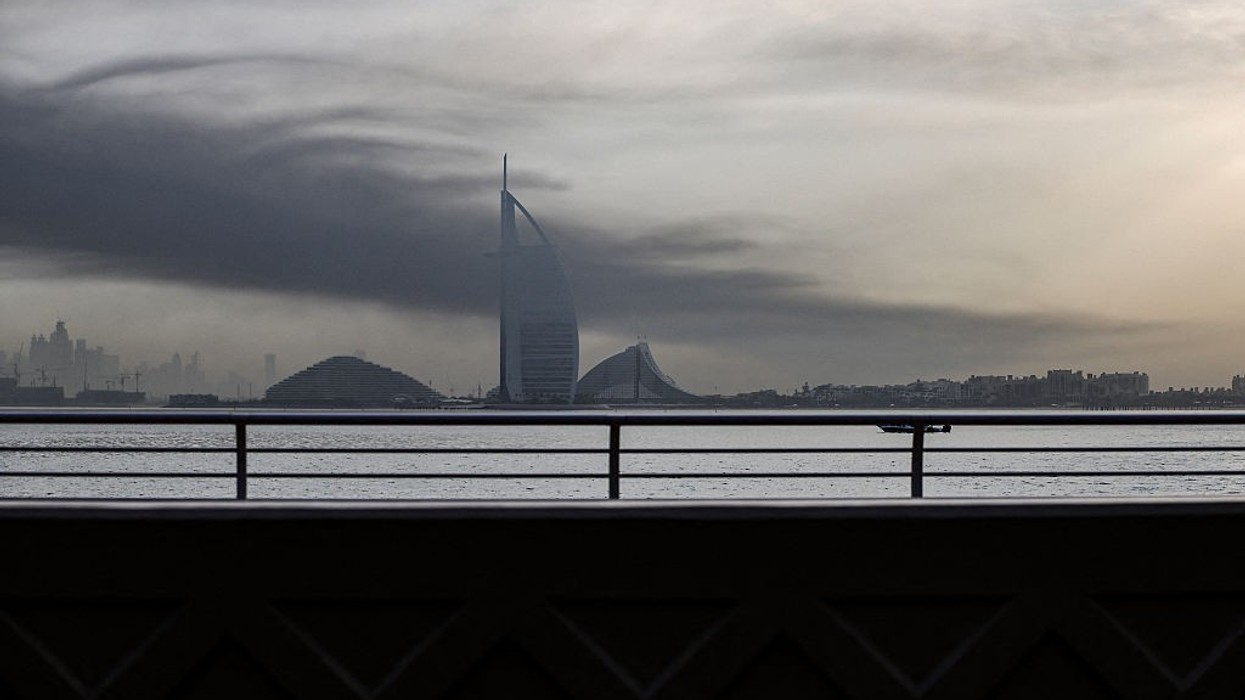
Authorities in Dubai confirmed Friday that debris from a successful interception by UAE air defenses struck a building façade along Sheikh Zayed Road. The building was evacuated, and no injuries were reported. Firefighters quickly contained a small fire caused by the debris. This minor incident highlights the risks posed even by defensive operations in densely populated areas.
The ongoing escalation, referred to by the UAE as “blatant aggression,” is part of the broader Operation Epic Fury, following military strikes involving Iran, Israel, and the United States. The UAE military has intercepted hundreds of ballistic missiles, cruise missiles, and drones since the conflict began, including six ballistic missiles, seven cruise missiles, and 39 UAVs just this week.
The conflict has resulted in civilian casualties across the UAE, with six confirmed deaths and 131 injured, spanning more than 25 nationalities, including Emirati, Pakistani, Nepali, Bangladeshi, Indian, Egyptian, and Filipino residents. Authorities continue to coordinate evacuation and medical support for affected communities.
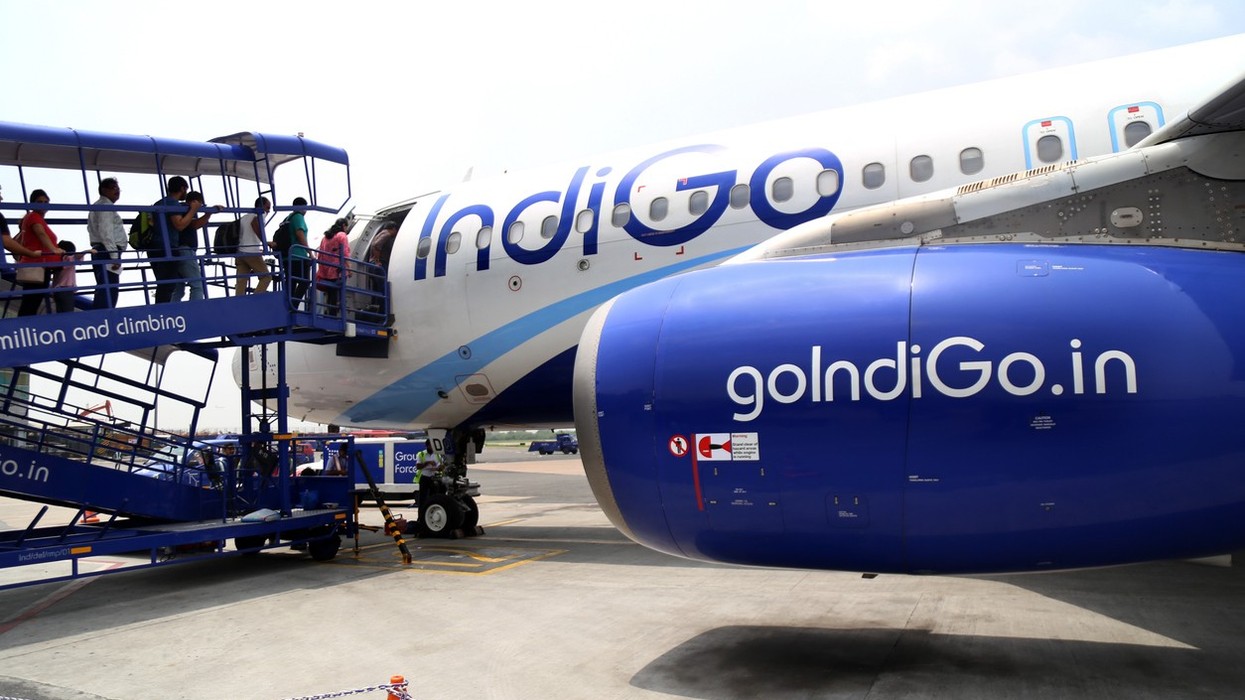
Regional airspace has been severely disrupted. Airlines including Air France, Air Canada, and Latvia’s airBaltic have canceled flights to Dubai and Riyadh, while Emirates and Etihad are operating on reduced schedules. Bahrain has opened its airspace for departures with prior permission, assisting in the repatriation of 24 Overseas Filipino Workers stranded in Jeddah.
Economic consequences have also emerged. Dubai’s main stock index fell by 1% and Abu Dhabi’s slipped 1.4%, led by financial and real estate losses. The Dubai Chamber of Commerce met with market stakeholders to ensure stability and maintain import flows.
Diplomatic reactions are intensifying. Qatar condemned Israeli strikes on southern Lebanon, calling them violations of international law. Kuwait also criticized the attacks, urging the international community to intervene. Meanwhile, Pakistan expressed full solidarity with Saudi Arabia amid escalating regional tensions.
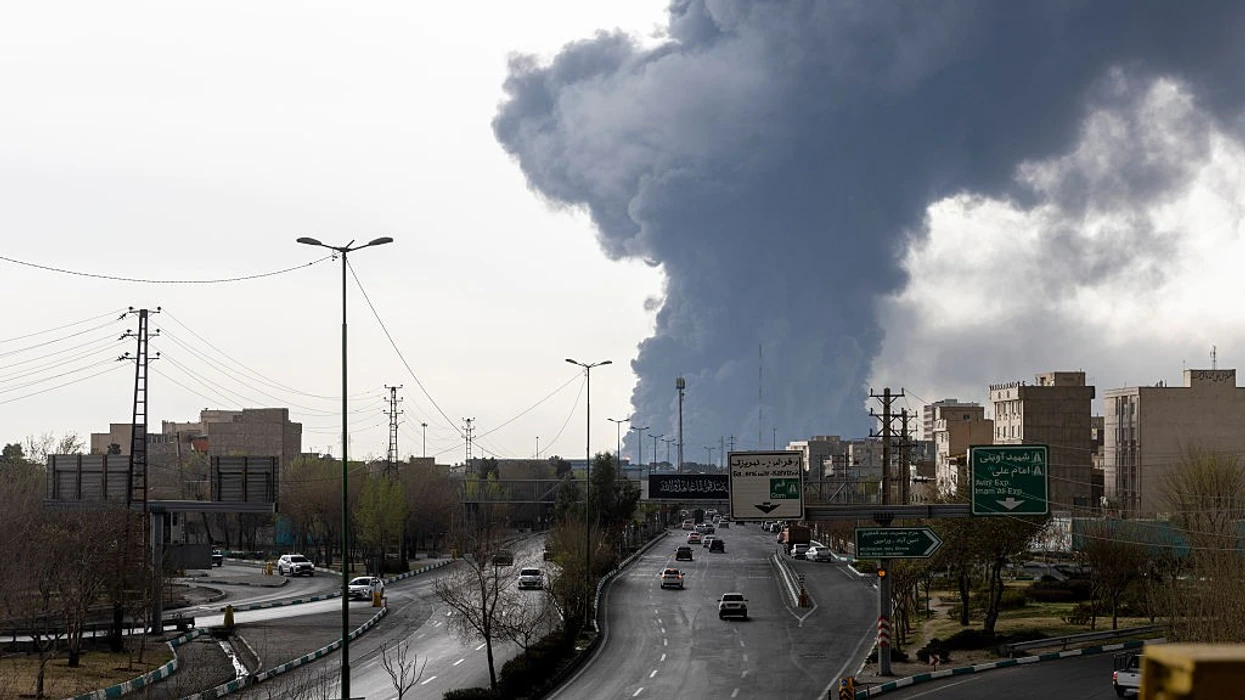
Other incidents include drone strikes in Beirut’s Burj Hammoud, sirens at Turkey’s Incirlik Air Base intercepted by NATO defenses, and Israeli attacks killing civilians in Iran and Lebanon. French President Emmanuel Macron confirmed the death of a French soldier in Iraq’s Erbil region, underscoring the broader international impact.
As Operation Epic Fury continues, UAE and regional authorities remain vigilant, balancing defensive measures, civilian safety, and regional cooperation. The incident in Dubai demonstrates both the sophistication and hazards of modern missile and drone defense in urban environments, highlighting the ongoing challenges of regional conflict management.