
Highlights:
Sarees, long seen as a symbol of Indian tradition and femininity, are now embracing global fashion narratives, blending cultural heritage with modern empowerment. Once markers of elegance and societal fashion, these drapes have evolved into versatile statements of style, elegance, and body positivity, resonating with audiences far beyond India.
Historically, sarees conveyed life stages: bright, intricate weaves for brides, while formal wear for women. During colonial times and in post-independence India, silk sarees like Kanjeevarams and Banarasis became both luxury symbols and subtle acts of resistance in the Swadeshi movement. Over decades, they transitioned from markers of modesty and class to canvases for self-expression.
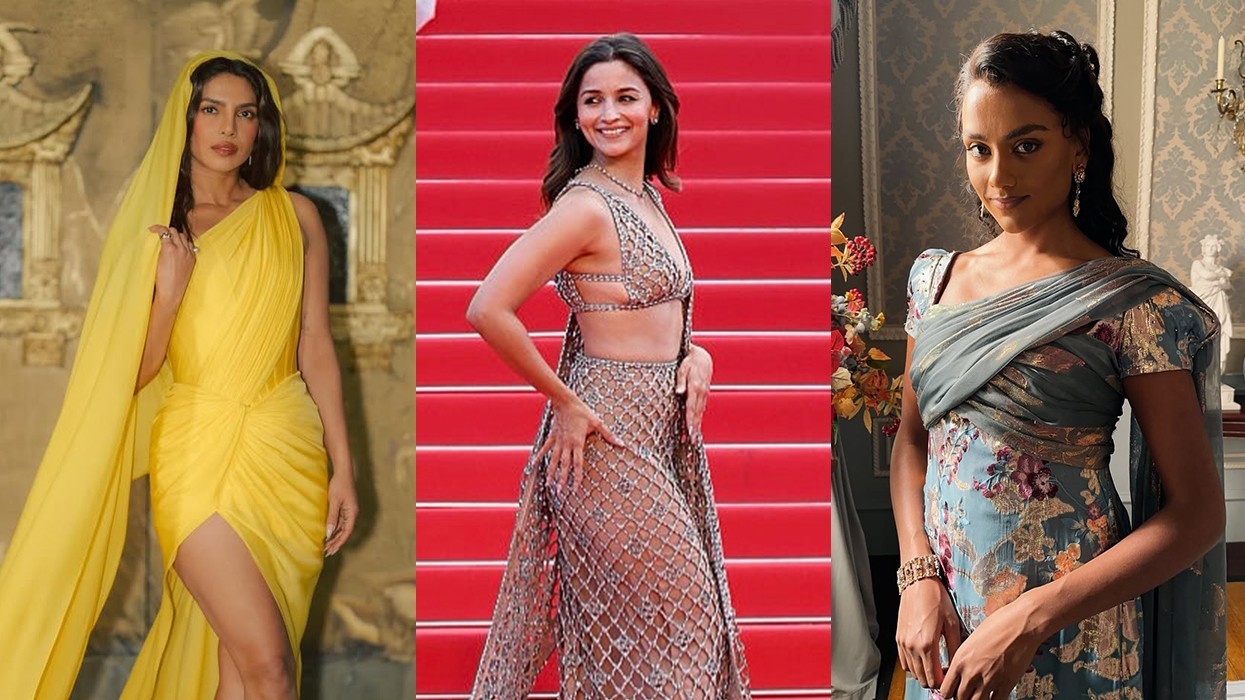
In recent years, celebrities have reshaped the saree’s global perception. Priyanka Chopra, for example, wore a bright yellow Gaurav Gupta couture saree in The Bluff (2026), pairing meticulous draping with bold color to convey strength and modernity. The hue evoked India’s vibrant palette while showcasing how traditional attire can serve as cinematic and fashion-forward storytelling.
Similarly, Alia Bhatt turned heads at the 2025 Cannes Film Festival wearing Gucci’s first custom saree, a Swarovski-embellished nude sequin drape. The outfit sparked debate over whether it qualified as a saree or a gown, highlighting the tension between cultural authenticity and Western reinterpretation while cementing the saree’s place on red carpets worldwide.
The fusion of traditional and Western aesthetics continues with diaspora fashion. Actress Simone Ashley incorporated saree-inspired elements in Bridgerton Season 4 (2026), blending Regency silhouettes with pleats and embroidery reminiscent of Kate Sharma’s heritage. This design bridged eras and continents, positioning the saree as timeless and globally relevant.
In 2026, the saree is increasingly experimental: minimalist pre-draped styles, dhoti hybrids, khadi co-ords, and pastel-toned ensembles are embraced by Gen Z for daily wear. Beyond aesthetics, these modern interpretations align with broader lifestyle shifts, emphasizing inclusivity, self-expression, and even wellness.
The Western reinvention of the saree reflects a larger trend: traditional garments are no longer confined to cultural boundaries. Through fashion, cinema, and global red carpets, the saree has transformed from a regional symbol of identity into a versatile statement piece, celebrating heritage while embracing the freedom of modern lifestyle and expression.






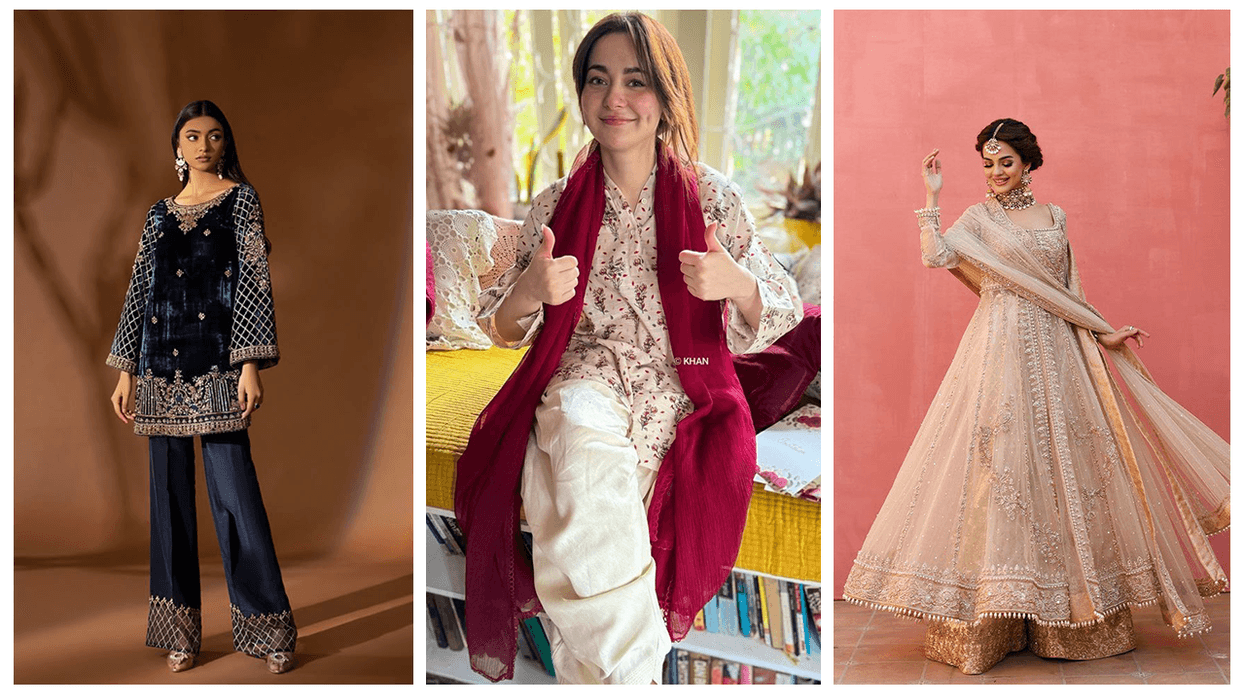
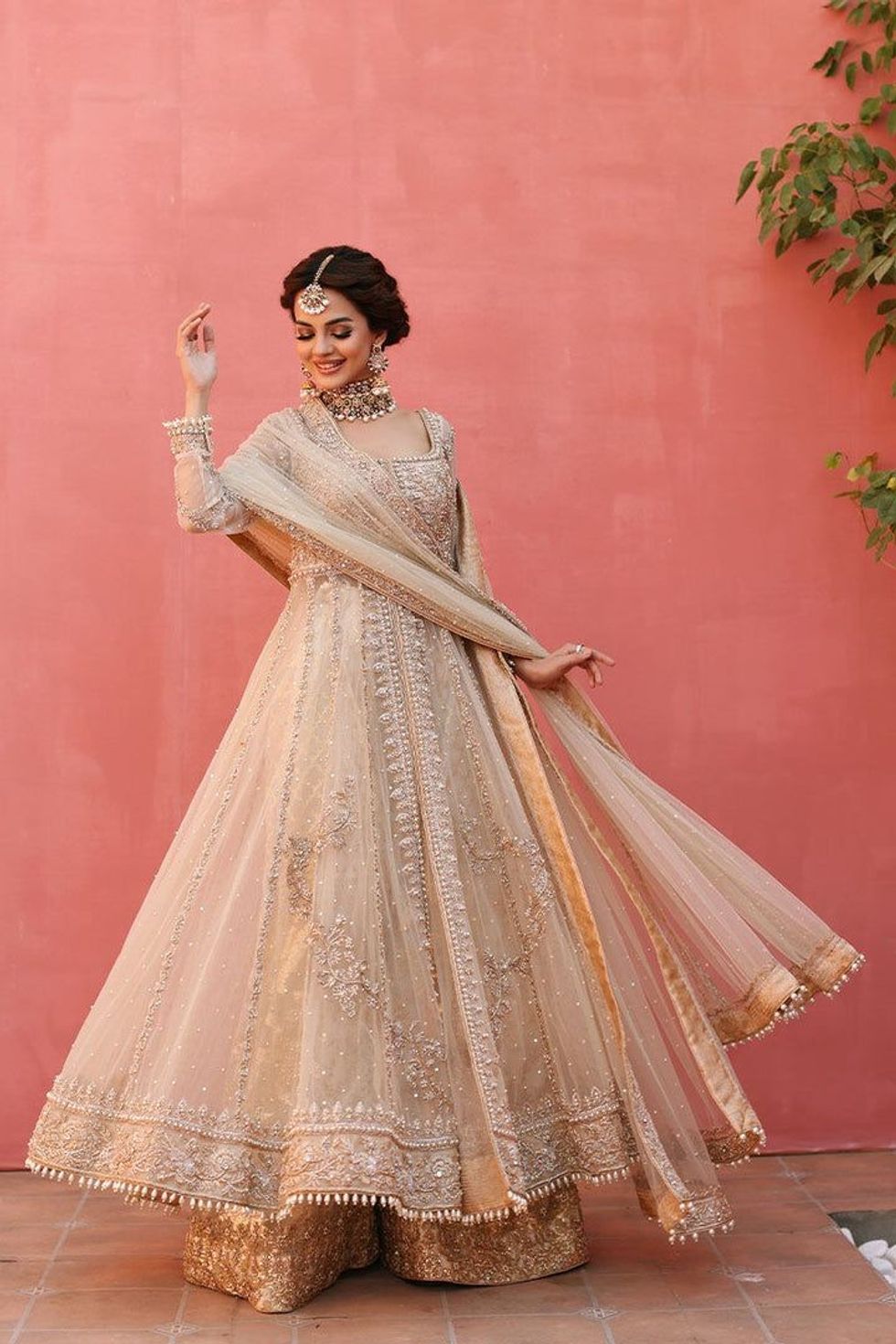 The Pishwa Look, floor-length silhouettenameerabyfarooq.com
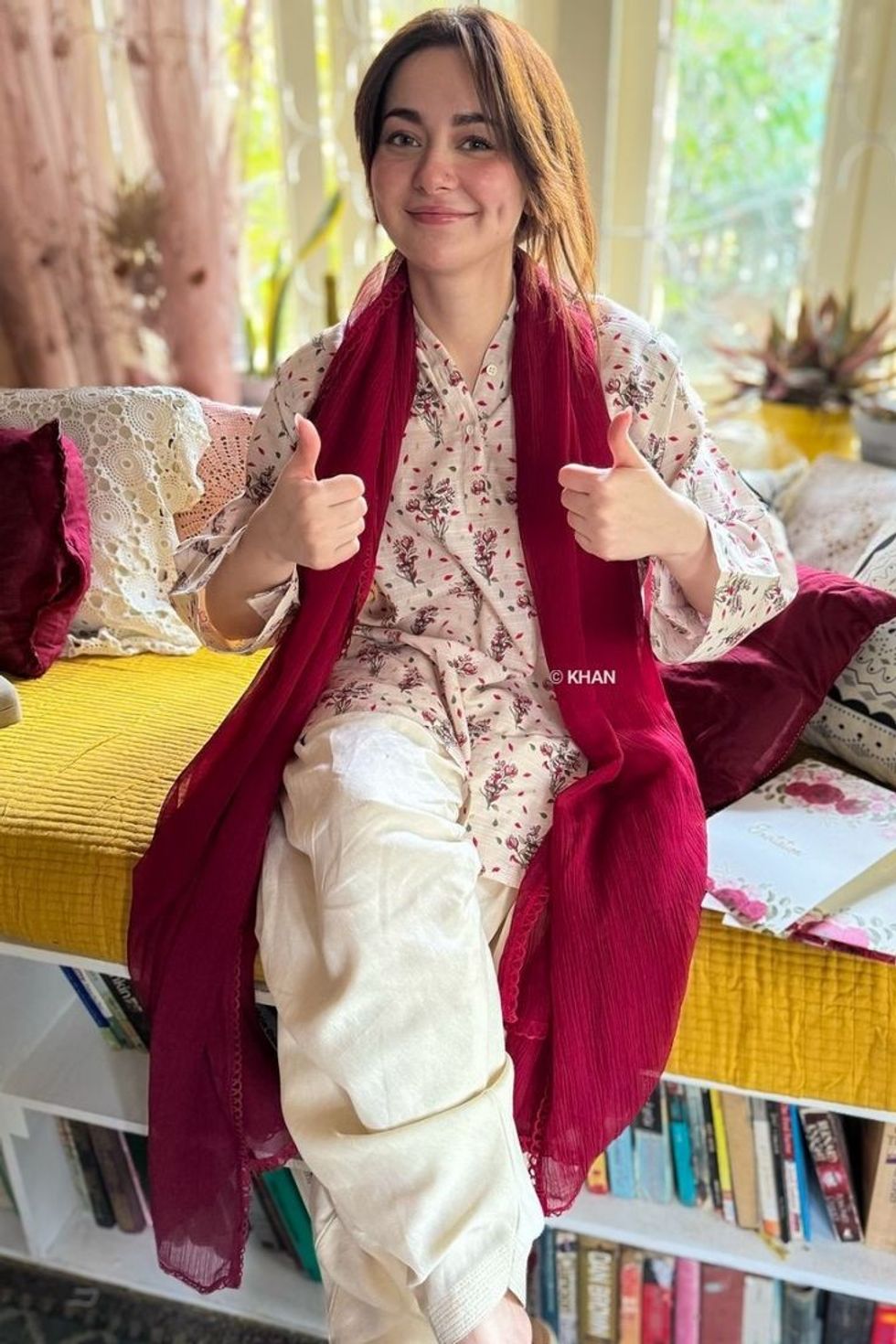 Sharjeena portrayed by Hania Aamir in Kabhi Main Kabhi TumHania Amir / Sharjeena
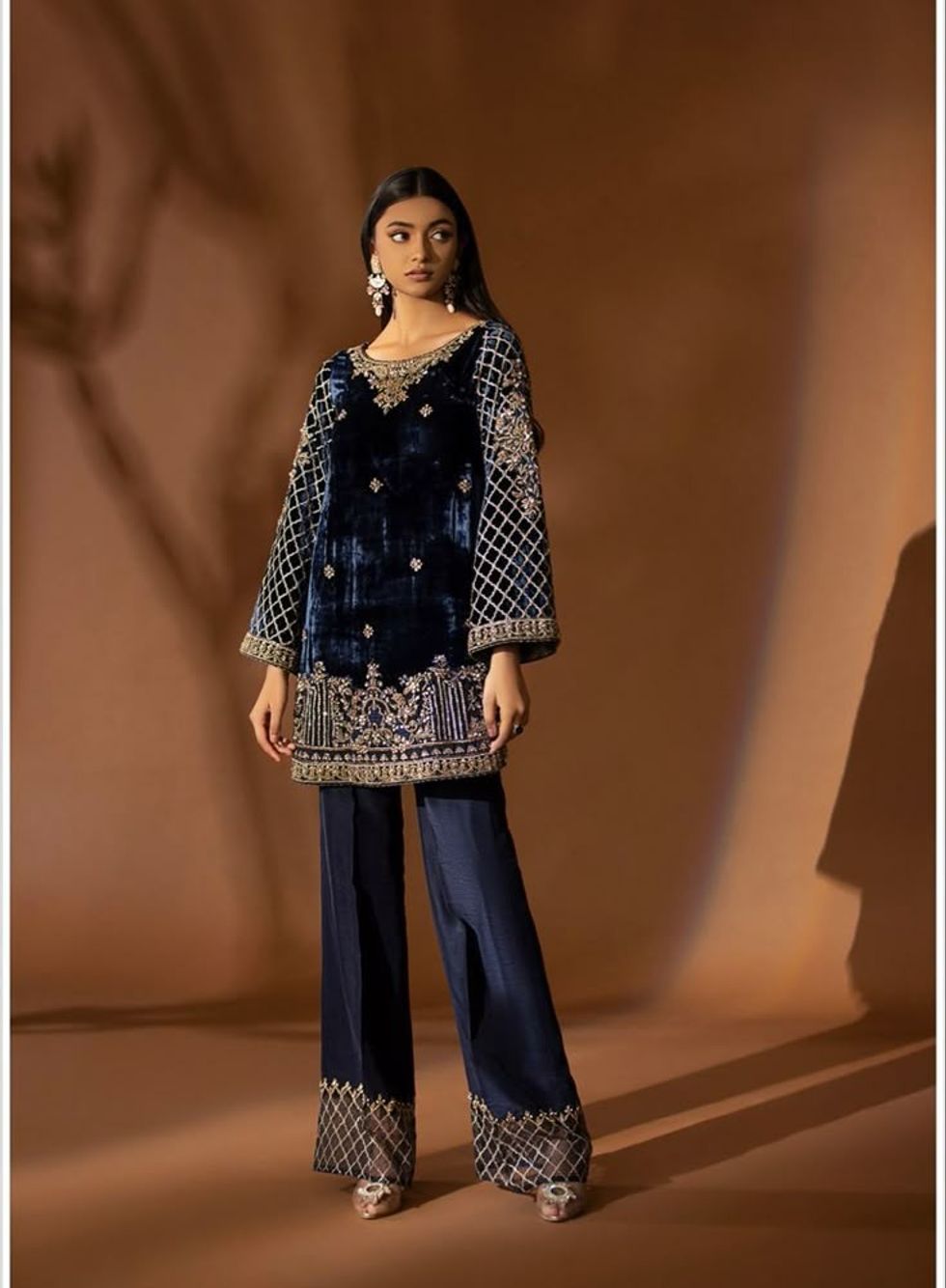 The perfect evening look velvet attire.
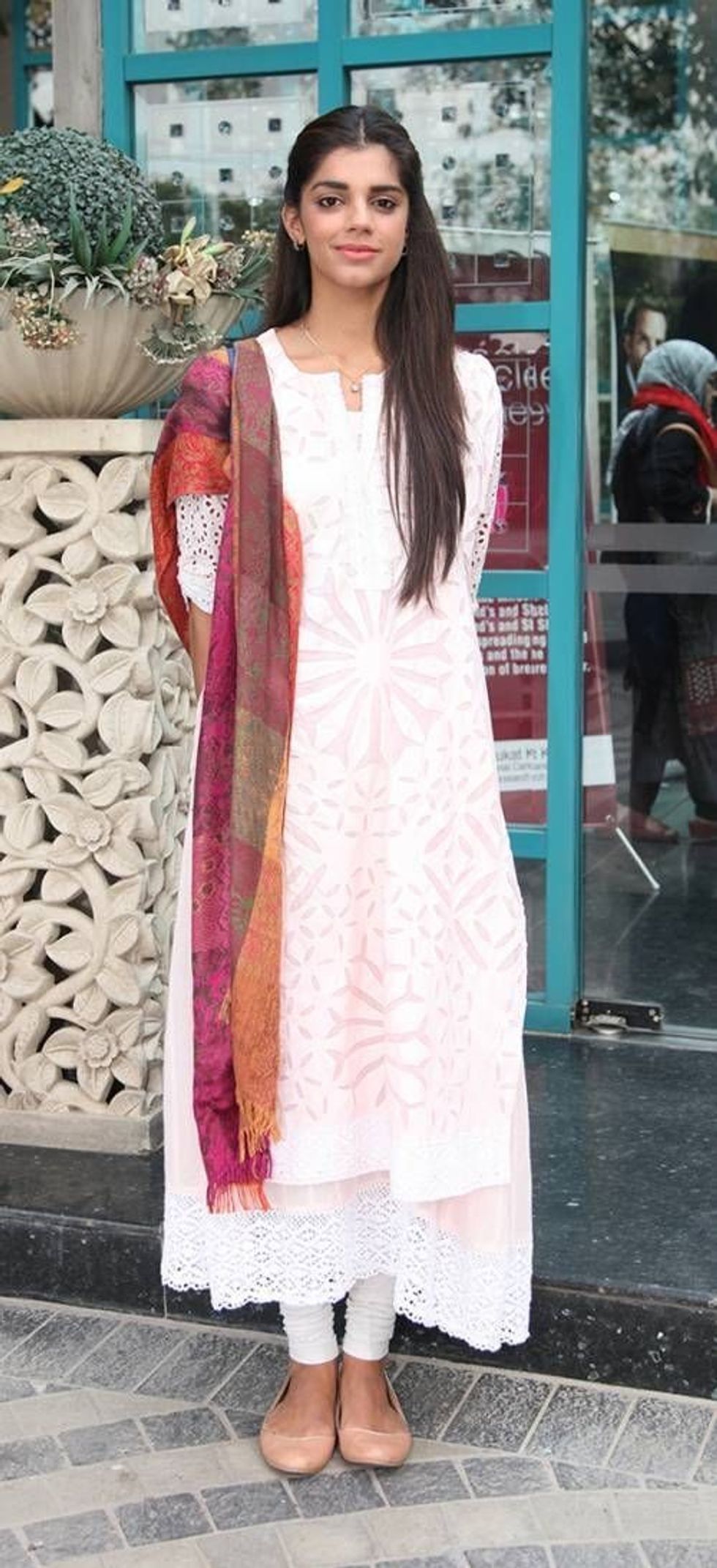 Sanam Saeed's iconic look from Zindagi Gulzar Hai
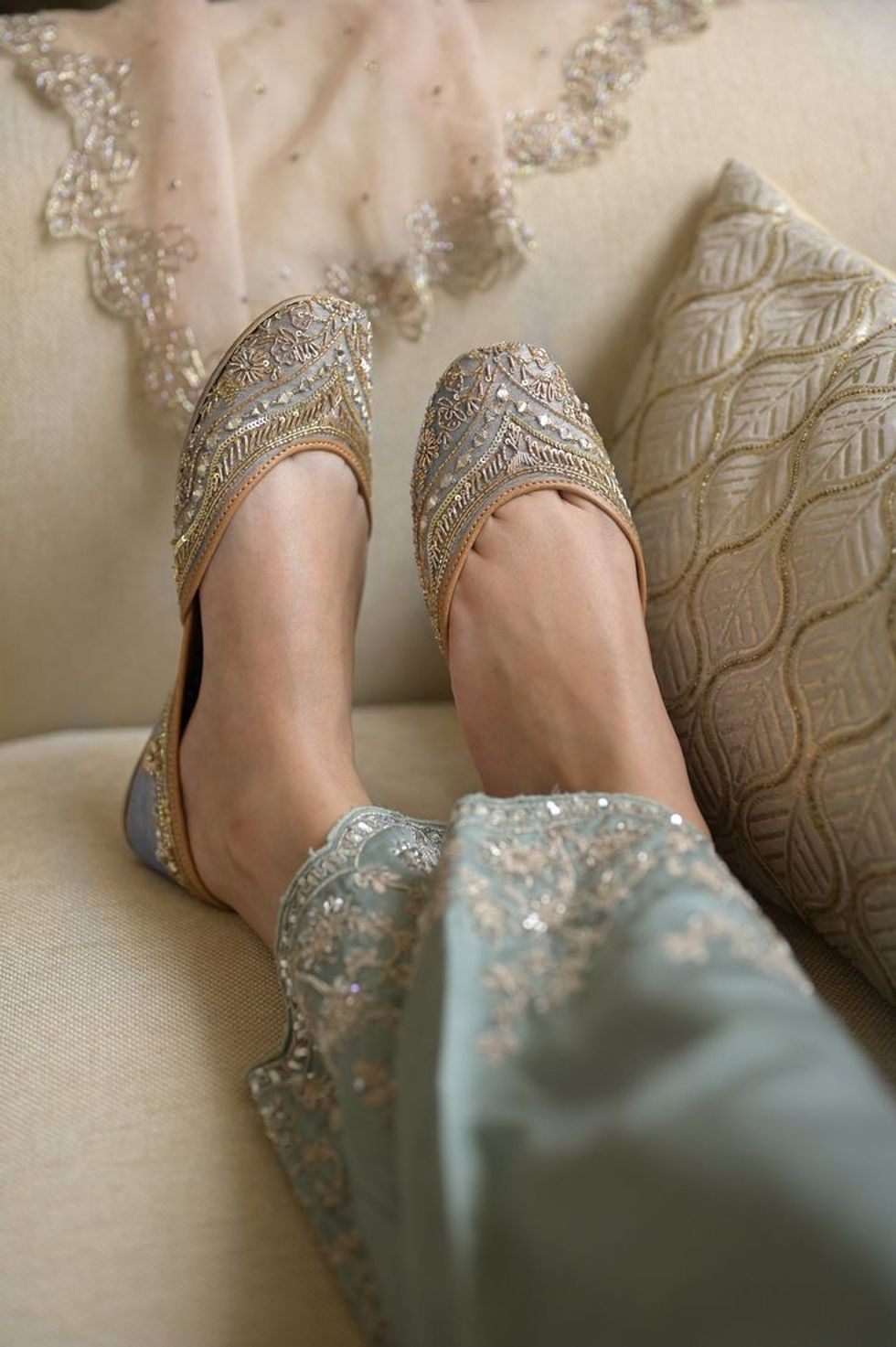 The latest fashion in traditional footwear is leather Khussas.https://in.pinterest.com/pin/30540103720789577/
 NCIAP
NCIAP
 UK and European travellers can access discounted flights to PolandLOT
 Airlines are using Valentine’s Day to encourage forward bookingsTravelUp
 Self-care takes centre stage this Valentine’s DayUNice
 Remote workers and households looking to invest in smarter energy solutionsALLPOWERS