
- Indian travelers transiting through German airports will no longer need a transit visa
- Announcement made during German Chancellor Friedrich Merz’s first visit to India
- Move aims to simplify travel and reduce paperwork for Indian nationals
- Decision reinforces strong people-to-people and educational ties
- India and Germany plan deeper cooperation in education, skills, and research
Germany has officially announced a visa-free transit facility for Indian passport holders, enabling them to transit through German airports without requiring a separate transit visa. This applies to Indian travelers en route to another country who do not intend to enter Germany during their layover.
In practical terms, the change will make international travel through major German hubs faster, smoother, and significantly less paperwork-intensive for Indian nationals.
When and how was the decision made?
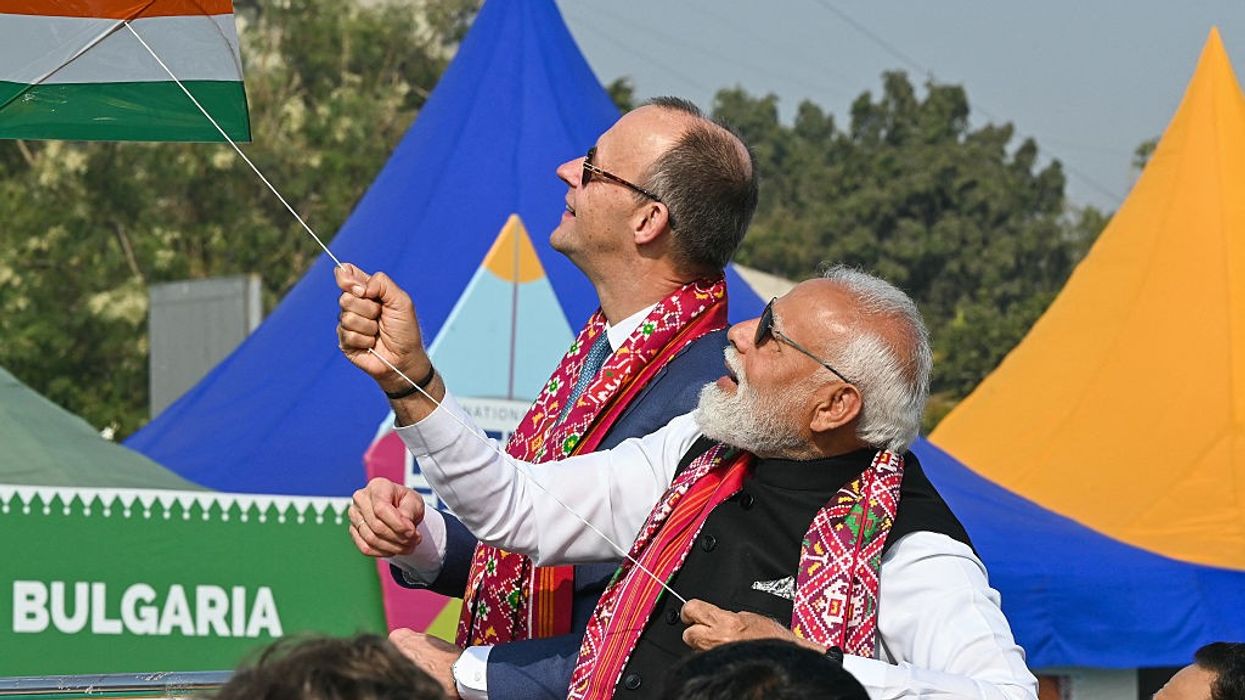
The decision was announced in the India-Germany joint statement released on Monday (12) following German Chancellor Friedrich Merz’s official visit to India from Monday (12) to Tuesday (13). This marked Merz’s first visit to India and his first trip to Asia since assuming office as Federal Chancellor.
The announcement came during high-level discussions aimed at strengthening the long-standing strategic partnership between the two countries.
Why is this move significant?
The visa-free transit facility is expected to greatly ease international travel for Indians, particularly students, professionals, researchers, and frequent flyers using Germany as a transit hub to Europe, North America, or other destinations.
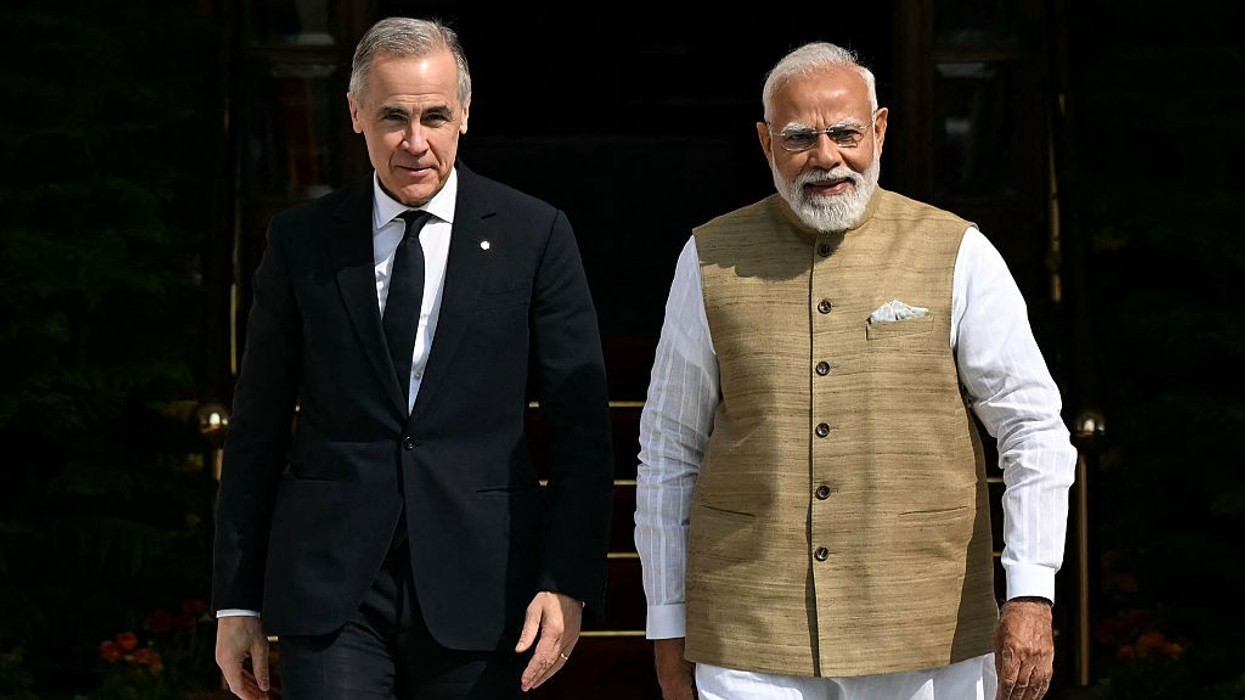
Indian prime minister Narendra Modi welcomed the decision, thanking Chancellor Merz and highlighting that the step would facilitate smoother travel while strengthening people-to-people connections. The joint statement emphasized that such ties are a “vital pillar” of the India-Germany Strategic Partnership.
What does this mean for people-to-people ties?
Both leaders underscored the importance of expanding exchanges between students, researchers, skilled professionals, artists, and tourists. Germany acknowledged the valuable contribution of the Indian community to its economy, innovation ecosystem, and cultural life.
The two sides also agreed on the need to deepen cooperation in education, research, vocational training, culture, and youth exchanges, seeing these as essential for long-term mutual understanding and collaboration.
Focus on education, skills, and jobs
Education and skills development featured prominently in the talks. Leaders noted the growing number of Indian students in Germany, the expansion of joint and dual-degree programs, and stronger institutional collaboration between universities in both countries.
Germany and India welcomed initiatives aimed at helping Indian students and graduates integrate into the German job market. They also discussed closer ties between Indian Institutes of Technology (IITs) and German technical universities.
Both sides agreed to develop an Indo-German Comprehensive Roadmap on Higher Education, and Indian prime Minister Modi invited leading German universities to open campuses in India under the New Education Policy.
Overall, the visa-free transit facility is seen as a practical yet symbolic step that reflects growing trust, mobility, and cooperation between India and Germany, with long-term benefits for travelers, students, and professionals alike.