
Highlights:
- SBA rules take effect March 1, 2026
- Lawful permanent residents barred from SBA-backed ownership
- Earlier foreign ownership exceptions fully removed
- Indian immigrants likely among the most affected groups
- Policy aligns with Trump administration’s “America First” agenda
The US Small Business Administration (SBA) has issued a revised policy that could significantly impact immigrant entrepreneurs, including a large number of Indian Americans, by restricting access to SBA-backed business loans starting March 1, 2026.
The updated guidance, announced on Monday (2) strengthens ownership requirements for small businesses seeking SBA financing. The move aligns with President Donald Trump’s broader “America First” agenda and tighter immigration policies. The SBA, which describes its mission as helping “Americans start, build, and grow businesses,” said the change is intended to reinforce domestic ownership standards.
Under the revised Standard Operating Procedure (SOP) 50 10 8, which governs lender and development company loan programs, the SBA now requires that 100 per cent of direct and indirect owners of an applicant business be US citizens or US nationals. All owners must also have their principal residence within the United States, its territories, or possessions.
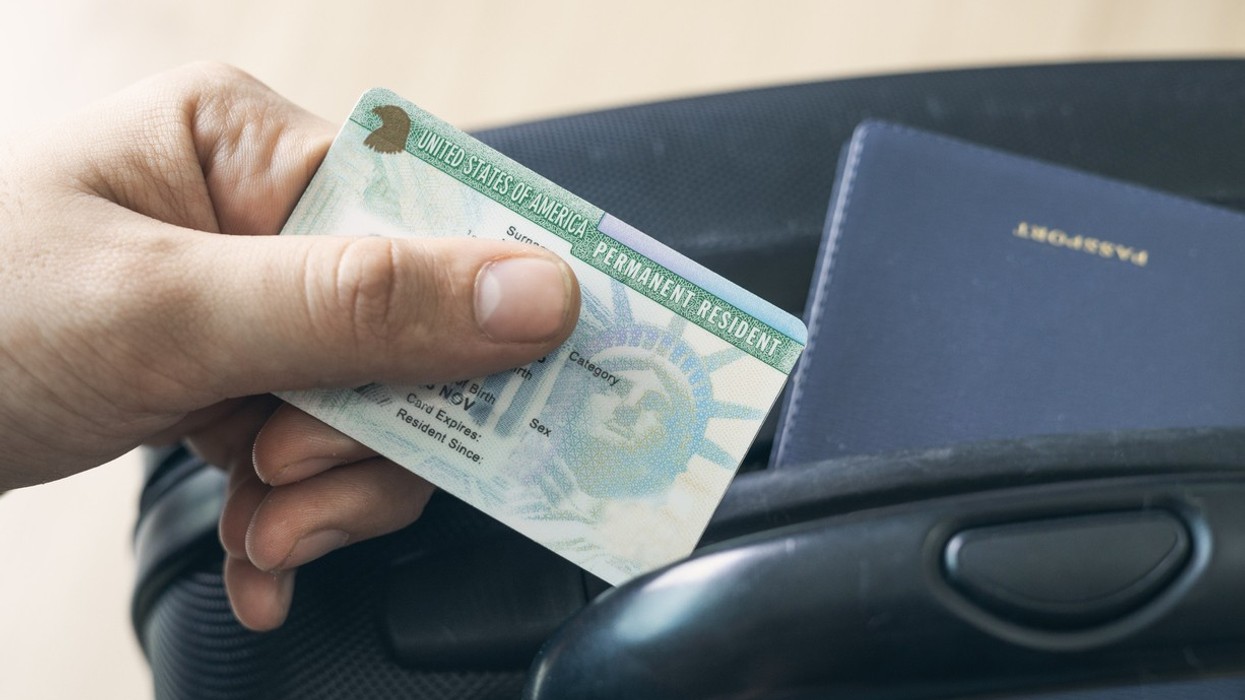
The new rules explicitly exclude lawful permanent residents (LPRs), commonly known as green card holders, from owning any percentage of a business that applies for SBA loans. “Beginning with the effective date of this notice, Legal Permanent Residents (LPRs) will not be eligible to own any percentage interest in an Applicant/Borrower,” SBA Administrator Kelly Loeffler said in the policy announcement.
This marks a major shift from previous guidance. A December 2025 procedural notice, now revoked, allowed limited flexibility, permitting up to 5 per cent ownership by foreign nationals, US citizens, US nationals, or LPRs whose primary residence was outside the US That exception also covered individuals with conditional LPR status, though Chinese nationals were excluded even under that framework.
With the elimination of these exceptions, immigrant entrepreneurs who are not US citizens will no longer qualify for SBA-backed loans, regardless of how small their ownership stake may be.
Indian immigrants are expected to be among the most affected groups. India is the world’s largest source of migrants and is ranked as the second-largest country of origin for green card recipients in fiscal year 2024, according to US Citizenship and Immigration Services data.
Indian Americans play a prominent role in the U.S. small business ecosystem, particularly in sectors such as hospitality, where a substantial share of hotels and motels are owned and operated by entrepreneurs of Indian origin. More broadly, data from the U.S. Chamber of Commerce shows that as of June 2025, about 40 per cent of small business owners in the United States were foreign-born.
The economic impact of Indian American businesses is also significant. A 2022 report by the National Foundation for American Policy found that companies owned by Indian Americans generate more than $150 billion in annual revenue and employ over 800,000 people nationwide.
The SBA’s policy update comes amid intensified immigration enforcement, including expanded deportation efforts and stricter eligibility standards across federal programs. For many immigrant founders, especially lawful permanent residents who have built long-term lives and businesses in the US, the new rule raises concerns about access to capital and the future of entrepreneurship under SBA-supported programs.