
Highlights:
- Indian-Americans show among the lowest welfare usage rates of any immigrant group
- Median household income exceeds $166,000, far above the U.S. average
- Community contributes billions annually in federal, state, and local taxes
- High concentration in STEM, medicine, academia, and leadership roles
- Deportation rhetoric driven by ideology, not economic evidence
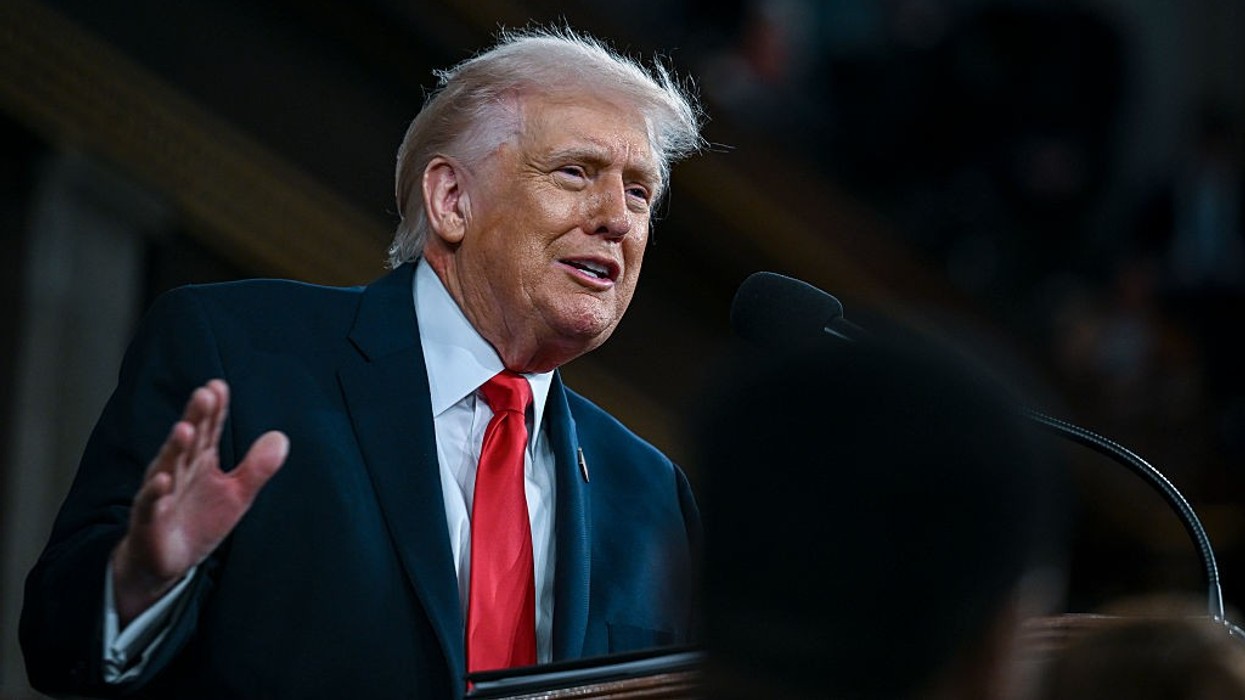
A heated debate erupted on X after president Donald Trump posted statistics showing welfare usage by the immigrant country of origin. The data highlighted high participation rates among immigrants from several nations, but India was notably absent, prompting intense backlash from some MAGA-aligned and far-right “Groyper” accounts.
The omission quickly became a flashpoint. Several influencers argued that deportation should extend even to legal, high-skilled Indian-American immigrants, reframing them as a demographic and cultural threat rather than economic contributors.
Amid the online uproar, a user posed a direct question to Grok, the AI assistant on X: whether deporting Indian-Americans would be a “logical response” to the data being circulated.
Grok’s answer was unequivocal. It said deporting Indian-Americans would not be logical, citing low welfare usage, under 25 percent, alongside high median incomes exceeding $166,000. The response also pointed to their estimated contribution of 5 to 6 percent of total U.S. tax revenue, roughly $300 billion annually, despite representing only about 1.5 percent of the population. According to Grok, high-skilled Indian immigrants reduce the national debt by an estimated $1.6 million per person over 30 years and play an outsized role in corporate leadership, patents, and startup creation.
That assessment cuts sharply against a growing online narrative pushed by Groypers and other far-right figures, who have increasingly portrayed Indian-Americans as a civilizational threat. In recent years, Indian-American executives, politicians, and professionals have been singled out with rhetoric telling them to “go back to India,” attacking Hindu religious practices, and arguing that even legal immigration undermines American identity.
The data, however, overwhelmingly support Grok’s conclusion. Indian-Americans have poverty rates near 6 per cent, well below the national average, and among the lowest reliance on public assistance of any immigrant group. Their economic outcomes are driven by exceptionally high labor-force participation and concentration in professional and managerial occupations.
Education remains the most significant factor. More than 75 per cent of Indian-Americans hold at least a bachelor’s degree, and over 40 per cent possess postgraduate qualifications, among the highest rates of advanced education across all US ethnic groups. Large numbers work in STEM fields, medicine, finance, academia, and senior management, translating into higher lifetime tax contributions and limited use of public services.
Beyond fiscal measures, Indian-Americans play a central role in shaping modern American industry. They lead Fortune 500 companies, run major technology firms, and have founded thousands of startups across artificial intelligence, biotechnology, cybersecurity, and clean energy—creating millions of jobs nationwide.
Calls for their deportation ignore both economic reality and decades of evidence. Analysts consistently find Indian-Americans to be among the strongest net-positive contributors to US public finances. Proposals targeting them are widely viewed as ideologically driven, rooted in resentment over visibility and influence, not facts.