
- More than 5,600 flights were canceled Monday, with 2,000 more scrapped Tuesday.
- Over 450,000 customers lost power nationwide amid heavy snow and strong winds.
- Central Park recorded 19 inches of snow; Rhode Island saw over 3 feet.
- Schools closed across New York City, Boston, and other major districts.
- The storm was classified as a “bomb cyclone” by the National Weather Service.
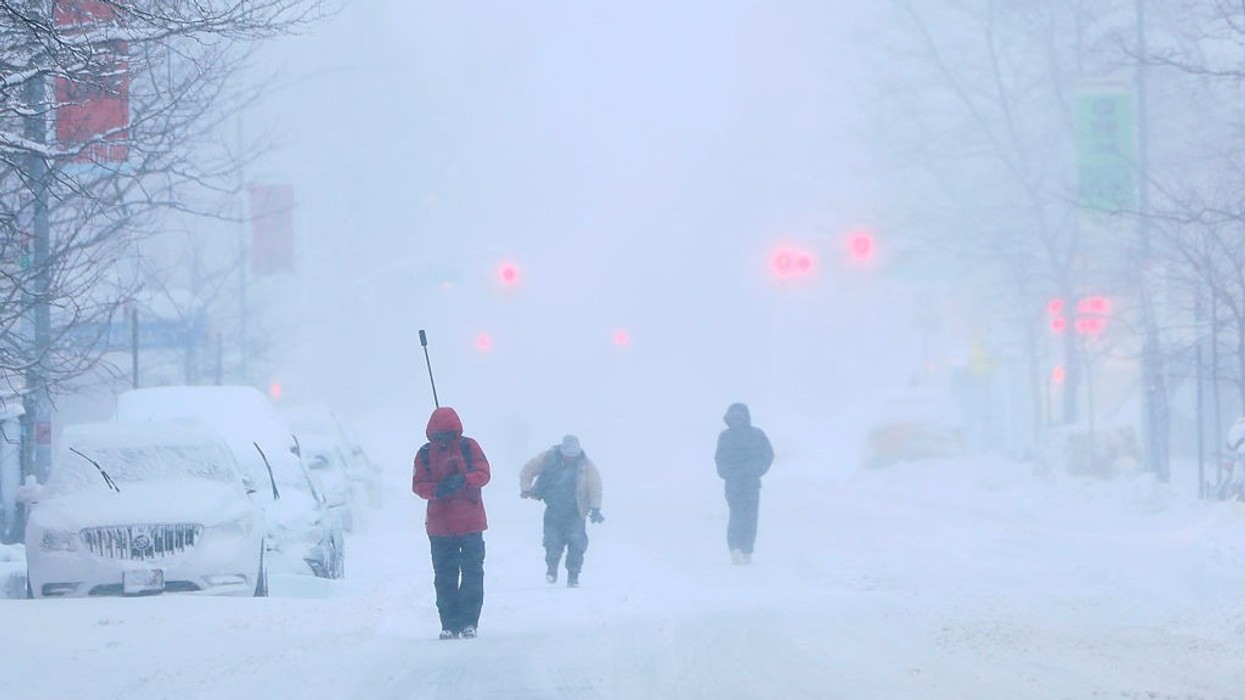
A massive winter storm swept across the Northeastern United States on Monday, blanketing cities from Maryland to Maine with heavy snow, shutting down transportation networks, and forcing millions of residents to remain indoors.
Meteorologists described the storm as the most powerful to hit the region in a decade. In some areas, snowfall totals exceeded two feet, breaking long-standing records. The National Weather Service labeled the system a “classic bomb cyclone/nor’easter,” referring to a storm that rapidly intensifies as its atmospheric pressure drops sharply within 24 hours.
Central Park in New York City recorded 19 inches of snow, while Warwick, Rhode Island, reported more than three feet — the highest total nationwide. Wind gusts reached 83 mph in Nantucket, with hurricane-force winds recorded across Cape Cod.
The storm brought widespread disruption to air travel. According to FlightAware, more than 5,600 flights in and out of the United States were canceled Monday, and another 2,000 scheduled for Tuesday were grounded. Airports in New York, New Jersey, and Boston were among the hardest hit, with nearly 2,500 additional flights delayed.
Public transit systems also faced major interruptions. The Metropolitan Transportation Authority reported that while most subway lines were operational by Monday evening, service remained suspended in Staten Island. Commuter rail lines and buses experienced delays, with limited service expected for Tuesday’s morning commute.
Schools across the region were closed. New York City declared its first traditional snow day in six years, while Boston also canceled public school classes. Philadelphia shifted to remote learning. Some suburban districts on Long Island announced a second day of closures.
Mayor Zohran Mamdani said New York City schools would reopen Tuesday (23), urging students to “stay cozy” during the storm. However, officials in Staten Island argued that unsafe road conditions warranted continued closures.
The storm’s heavy, wet snow, described by meteorologists as a “Goldilocks” mix of moisture and temperature — increased the risk of falling trees and power line damage. By Monday evening (23), more than 450,000 utility customers nationwide remained without electricity, according to PowerOutage.us.
Emergency declarations were issued in several states and major cities, including New York and Philadelphia. Outreach teams worked to bring homeless residents to shelters and warming centers as temperatures plummeted.
Major landmarks and institutions closed their doors, including the Museum of Modern Art in New York and Arlington National Cemetery in Washington, D.C. Broadway performances scheduled for Sunday evening were also canceled.
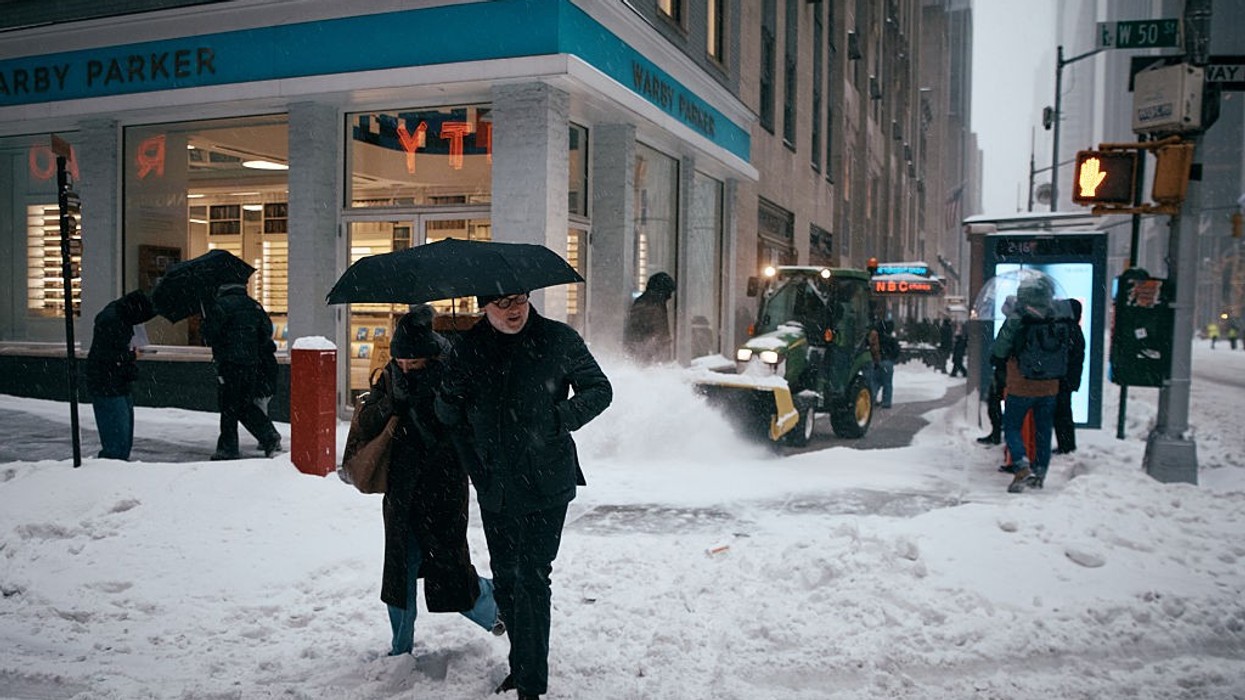
Despite the disruption, some residents embraced the rare stillness. Streets in Lower Manhattan, typically packed during rush hour, were nearly empty. Tourists danced in snow-covered Times Square, while others ventured out with sleds and skis.
Forecasters warned that another storm system could bring additional snowfall later in the week, raising concerns about prolonged recovery efforts. For now, much of the Northeast remains buried under snow as crews work to restore power, clear roads, and resume normal operations.