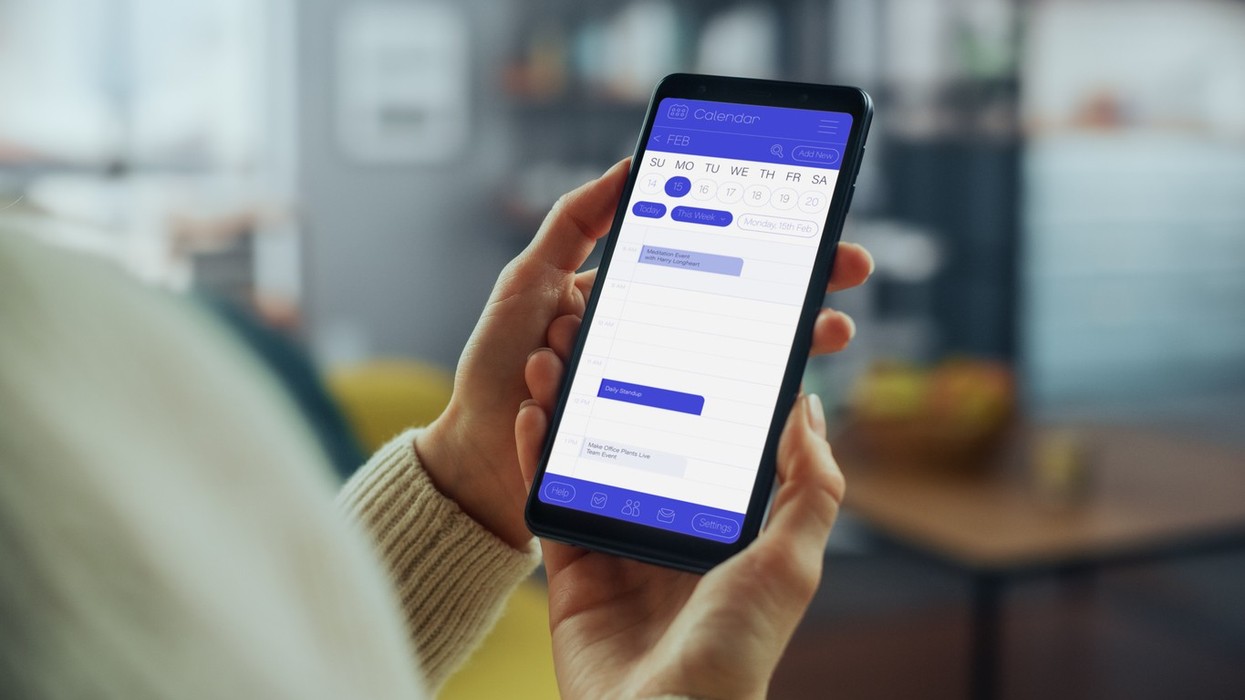

Work habits these days aren’t shaped by office culture or personal discipline only. Mobile apps and digital tools that people use on a daily basis influence the work habits of many individuals worldwide. From how tasks are planned to how focus is maintained, mobile apps quietly guide work behaviour in ways that make productivity intentional, structured, and efficient.
Mobile apps act as cognitive support systems rather than replacing human effort, as they reduce mental load, organize information, and help people make better use of limited time and attention. Let us discuss various ways in which mobile apps support smarter work habits.
Help Break Work Into Manageable Tasks
With the help of mobile apps, large tasks are broken down into manageable tasks. People often feel overwhelmed by large or unclear workloads, but mobile apps help to address this challenge by encouraging task breakdown. With mobile apps, users can divide complex projects into smaller, actionable steps and complete them one step at a time, without feeling overwhelmed.
This approach reduces procrastination and decision fatigue. When tasks are clearly defined, work becomes easier to start and complete. Over time, this habit trains individuals to think in terms of execution rather than abstraction.
Encourage Better Time Awareness
Many people don’t have good awareness of time, due to which they underestimate how long tasks actually take. The good thing about mobile apps is that these apps can track time, schedules, or work sessions to make time more visible. This kind of awareness is unmatched, as it helps users plan their days more realistically and manage their time more intentionally.
When time is measured rather than guessed, people become more intentional with their time, as they schedule their meetings purposefully, prioritise their tasks more carefully, and avoid unnecessary work that does not align with their goals.
Reduce Mental Clutter
Remembering deadlines, appointments, follow-ups, and ideas can create cognitive overload and lead to a feeling of overwhelm. Mobile apps act as external memory systems, storing information that no longer needs to be tracked mentally. They offload reminders and notes for individuals, freeing up their mental space for actual work.
This reduction in mental clutter improves focus, decision-making, and problem-solving, which are key components of smarter work habits. You can find various types of mobile apps through this link here that can help reduce mental clutter and improve your focus at work.
Support Real-Time Communication and Collaboration
Communication at the workplace is essential. Whether it is communicating with your co-workers, employees from another department, or your supervisors, communication is necessary at the workplace, and mobile apps make it easier than ever to communicate at work. Whether it is text messaging, voice or video calling, or file-sharing, mobile apps like Telegram and WhatsApp allow you to communicate instantly in real-time and share files. To download Telegram on your device, you can get the official APK file from their website.
This real-time communication not only supports work progress but also ensures that collaboration is maintained throughout the workplace, and employees can communicate and collaborate with each other whenever required.
Support Consistent Routines
One of the biggest predictors of productivity is consistency. Mobile apps help reinforce routines and consistency by providing structure through reminders, recurring tasks, and habit tracking. When your routines are supported digitally, they require less willpower to maintain, and you can focus on other things in life. Apps turn good intentions into repeatable behaviours and help people build stable work rhythms. Over time, this consistency reduces stress and increases efficiency.