
Highlights:
- Excise duty cut by about $0.12 per liter on petrol and diesel
- Move driven by global oil supply risks and geopolitical tensions
- Immediate relief at the pump may be limited
- Taxes still make up a large share of fuel prices
- Decision balances inflation control with revenue concerns
India has reduced excise duty on petrol and diesel by roughly $0.12 per liter in a significant policy move aimed at shielding its economy from rising global oil risks. The decision comes amid escalating geopolitical tensions in West Asia, particularly fears of supply disruptions in the Strait of Hormuz, a key global energy corridor.
The tax cut brings central excise duty on petrol down to around $0.04 per liter, while diesel excise has effectively been reduced to near zero. The move is designed to ease pressure on oil marketing companies (OMCs), which have been dealing with higher crude oil costs.
Why the government acted now
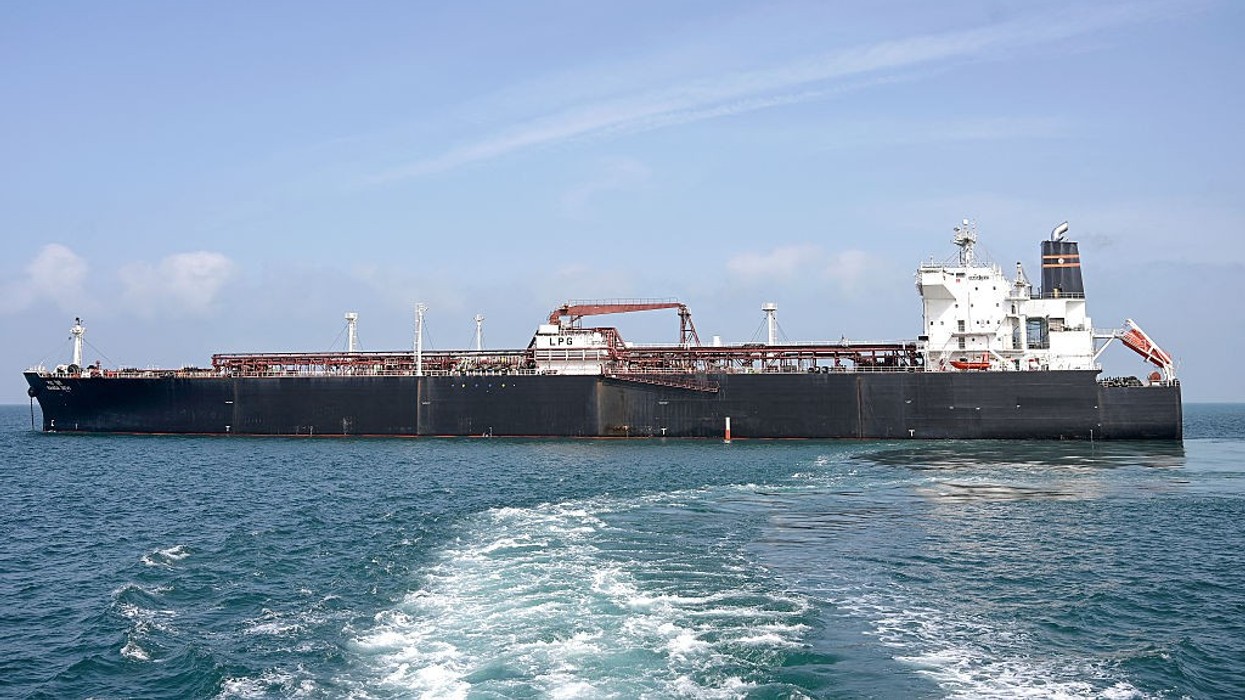
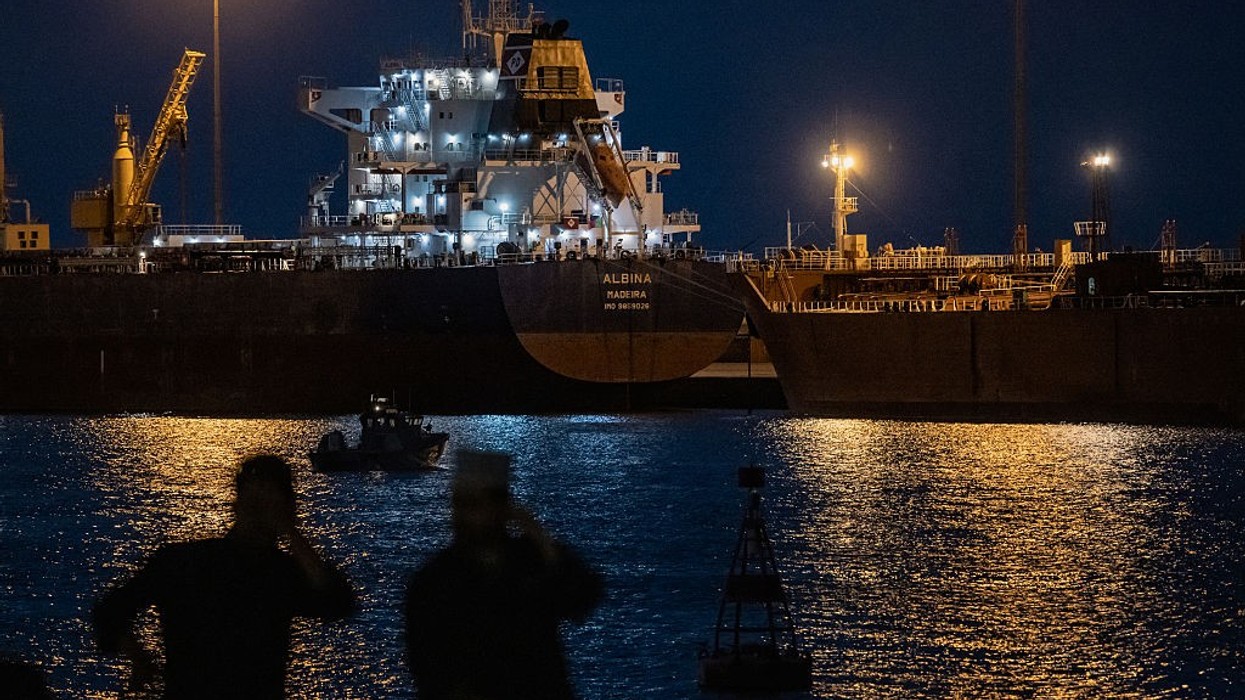
The timing is closely linked to global developments. Rising tensions involving the United States, Israel, and Iran have increased the risk of disruptions in the Strait of Hormuz, which carries nearly 20 per cent of the world’s oil supply.
India is especially exposed because it imports about 85 per cent of its crude oil, with roughly 12-15 per cent passing through this route. Any sustained increase in oil prices would raise import costs, push up inflation, and strain government finances. By cutting excise duties, the government is trying to reduce the impact of these risks on the domestic economy.
Will fuel prices drop immediately?
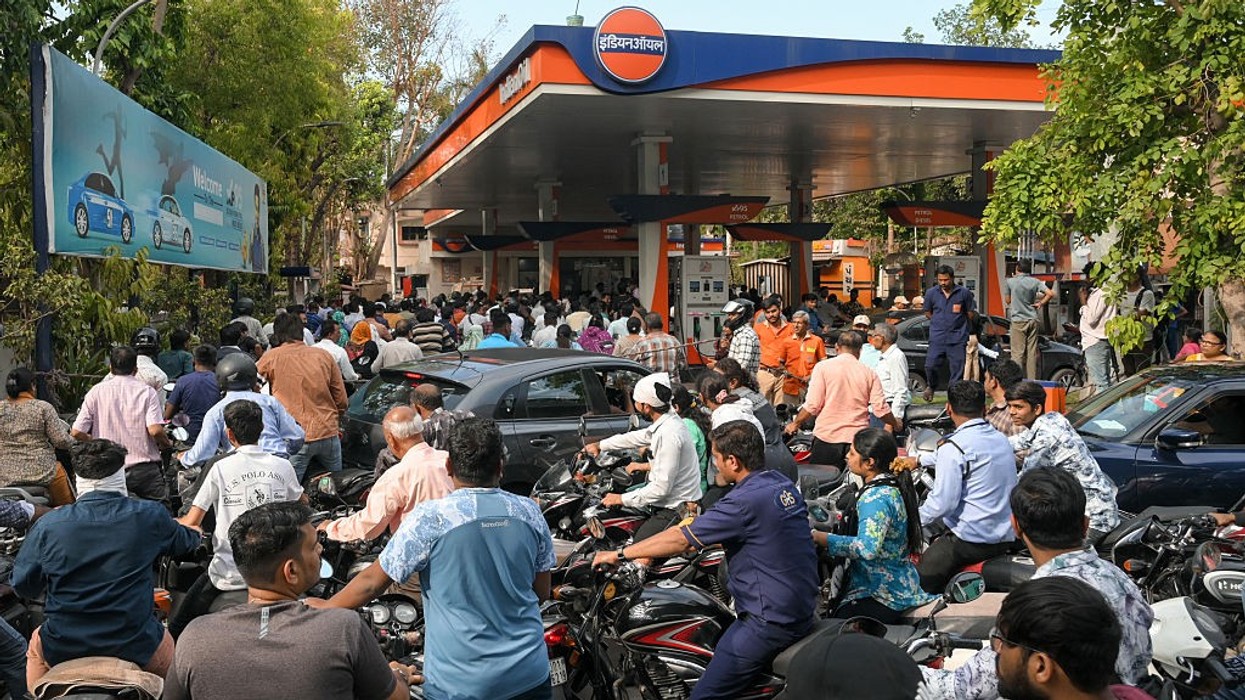
Consumers may not see an immediate decline in fuel prices. In India, retail fuel prices are not always adjusted instantly in response to global oil fluctuations. OMCs often absorb short-term volatility to maintain price stability.
As a result, the excise duty cut may initially help offset losses for these companies rather than translate into lower prices at the pump. Any benefit for consumers is likely to come gradually.
How fuel prices are calculated
Fuel prices in India are built through multiple layers. The process starts with crude oil imports, which are priced in US dollars. This makes exchange rates crucial, a weaker rupee increases costs even if global oil prices remain stable.
A barrel of crude oil (159 liters) typically works out to about $0.42-$0.54 per liter. Refining, freight, and insurance add another $0.04–$0.06 per liter. OMCs then add a marketing margin of around $0.02-$0.04 per liter.
Next comes central excise duty, followed by dealer commissions of about $0.04–$0.05 per liter. Finally, state governments impose value-added tax (VAT), which varies widely.
The role of taxes
Taxes make up a significant portion of fuel prices. Before the latest cut, central excise duty accounted for about 20-25 per cent of the retail price, while state VAT contributed another 20-30 per cent.
Altogether, taxes can represent 40-55 per cent of the final price consumers pay. The remaining share includes crude oil costs (35–45%) and smaller components like dealer commissions and OMC margins (5-8 per cent).
For example, if crude costs about $0.48 per liter, adding refining, margins, excise, VAT, and commissions can bring the final price close to $1.15-$1.20 per liter.
Broader economic impact
Fuel prices have a wide-reaching effect on the economy because they influence transportation and logistics costs. Higher fuel prices can drive inflation, affecting everything from food to manufactured goods.
At the same time, fuel taxes are a crucial source of revenue for both central and state governments. This creates a policy trade-off: cutting taxes helps control inflation but reduces government income.
What the excise cut means
The excise duty reduction shows the government’s effort to balance consumer relief with fiscal stability. It signals a willingness to step in during global uncertainty while recognizing the importance of fuel pricing in the broader economy.
However, the overall impact will depend on future crude oil trends, how OMCs adjust prices, and whether state governments change their own taxes. For now, the move provides a cushion against volatility, but not an immediate drop in fuel costs.