
Highlights:
- India and the GCC have signed Terms of Reference to begin FTA negotiations
- The GCC includes Saudi Arabia, the UAE, Qatar, Kuwait, Oman, and Bahrain
- Bilateral trade already exceeds $170 billion annually
- Talks build on India’s recent trade deals with the EU and the United States
- The move strengthens India’s strategic position in the Gulf region
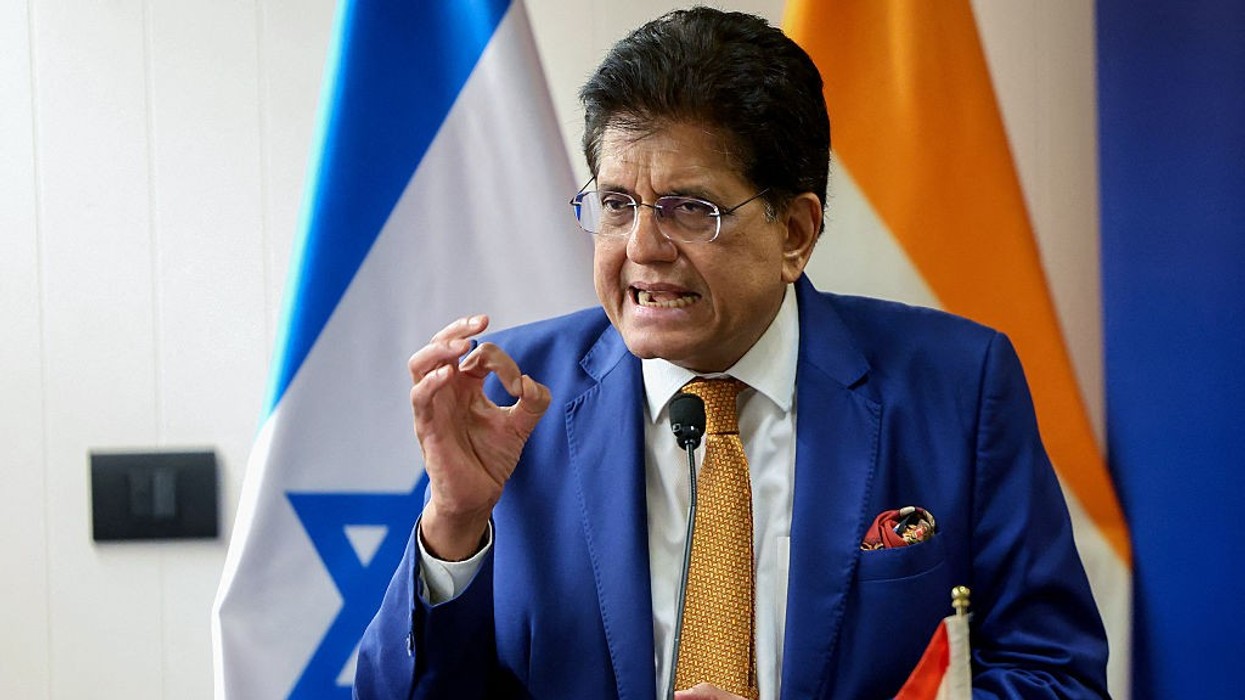
India has taken another significant step toward expanding its global trade footprint by formally launching negotiations for a free trade agreement (FTA) with the Gulf Cooperation Council (GCC). On Thursday (5), Indian commerce minister Piyush Goyal announced that India and the six-nation Gulf bloc had signed the Terms of Reference (ToR) for the proposed agreement, paving the way for detailed negotiations on trade, investment, and economic cooperation.
The announcement comes amid a flurry of recent trade successes for New Delhi. In the past few weeks, India has concluded negotiations with the European Union and reached a trade agreement with the United States, reflecting a more assertive and outward-looking trade policy. With talks now restarting with the GCC, India is positioning itself as a central economic partner across multiple major regions.
The GCC comprises Saudi Arabia, the United Arab Emirates, Kuwait, Qatar, Oman, and Bahrain. Established in 1981, the bloc aims to foster economic, political, and social cooperation among its members. Over time, it has become a major global hub for energy production, finance, infrastructure development, and logistics, sectors that align closely with India’s economic priorities.
India’s engagement with the GCC is long-standing. Formal trade talks were first launched in 2004 but were suspended in 2011 when the bloc paused its global trade negotiations. Discussions resumed in 2022, and the signing of the ToR now represents the most concrete progress in more than a decade. The first round of negotiations is expected to take place in Riyadh in the coming months. Ajay Bhadoo will lead the Indian negotiating team, while Raja Al Marzouqi will represent the GCC.
The economic rationale for the agreement is strong. Around 10 million Indians live and work in Gulf countries, creating deep people-to-people ties. The region is critical to India’s energy security, while India plays an important role in ensuring food security, infrastructure development, and skilled labor for Gulf economies.
Highlighting the depth of the relationship, Goyal noted that India and the Gulf have traded with each other for over 5,000 years. He said a formal trade agreement would allow for freer movement of goods and services, greater policy predictability, and stronger investment flows.
Bilateral trade between India and the GCC has remained robust, exceeding $170 billion in recent years. The UAE is India’s largest trading partner within the bloc, followed by Saudi Arabia. India already has a free trade agreement with the UAE and a Comprehensive Economic Partnership Agreement with Oman, making a broader GCC-wide pact a logical next step.
Beyond economics, the move carries strategic implications. India’s deepening integration with the Gulf strengthens its position as a stable, growth-oriented partner at a time when other regional players face economic and political uncertainty. As India advances talks with the GCC, it sends a clear message: New Delhi is no longer a cautious participant in global trade—it is actively shaping the rules and expanding its influence where it matters most.