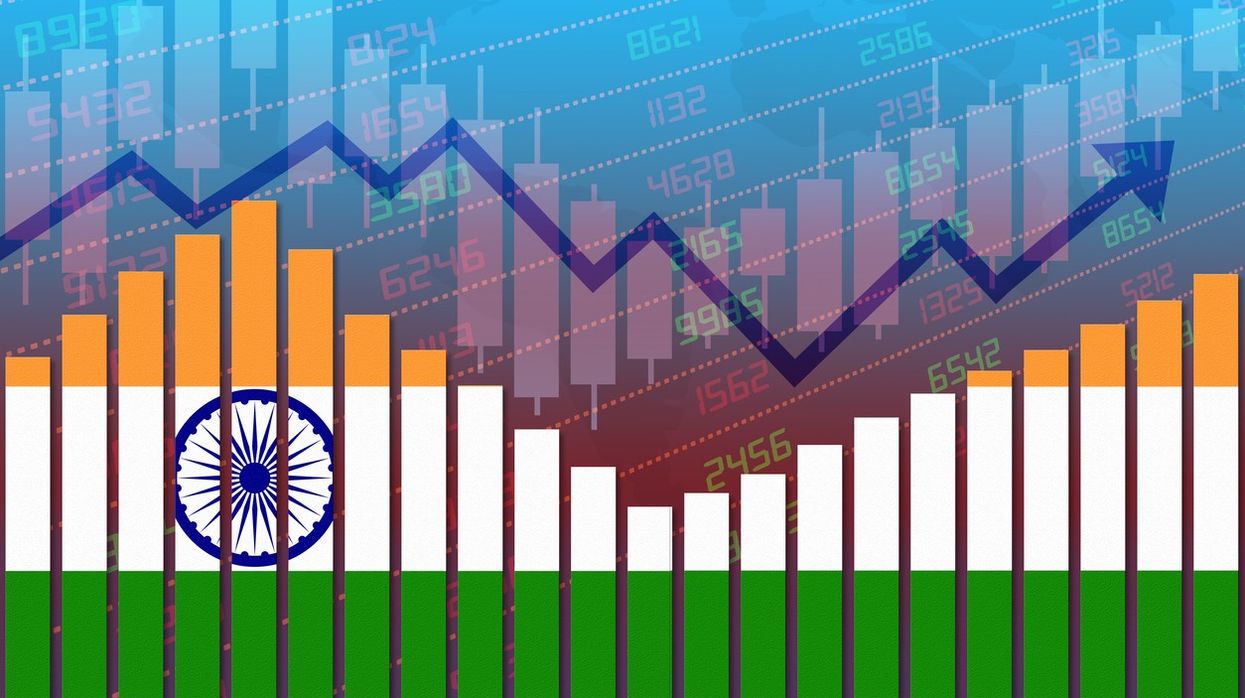

- India’s GDP is estimated at about $4.18 trillion, surpassing Japan
- Growth reached a six-quarter high of 8.2%
- Exports strengthened across manufacturing and technology sectors
- India could become the third-largest economy by 2028
- Low per-capita income and job creation remain major challenges
India has overtaken Japan to become the world’s fourth-largest economy, according to India’s end-of-year economic review released in late December. The milestone reflects sustained high growth and a faster-than-expected economic expansion, positioning India as a leading force in the global economy.
The review estimates India’s gross domestic product at approximately $4.18 trillion, placing it ahead of Japan and behind only the United States, China, and Germany. On current trends, India is expected to surpass Germany within the next three years, potentially becoming the world’s third-largest economy. Government projections suggest India’s GDP could reach $7.3 trillion by 2030.
Economic momentum has accelerated in recent quarters. India’s real GDP grew 8.2 per cent in the second quarter of the 2025–26 fiscal year, up from 7.8% in the previous quarter, marking the strongest growth in six quarters. The Reserve Bank of India has responded by revising its full-year growth forecast upward to 7.3 per cent.
Exports have also shown renewed strength. Merchandise exports rose to $38.13 billion in November, up from $36.43 billion earlier in the year. Growth was led by engineering goods, electronics, pharmaceuticals, and petroleum products, helping offset global trade uncertainty.
Government economists describe the current phase as a rare “Goldilocks” period—strong growth combined with relatively low inflation. According to the review, solid corporate balance sheets, steady credit availability, and continued structural reforms have created favorable conditions for sustained expansion. Domestic demand, particularly private consumption, has been the primary driver of growth.
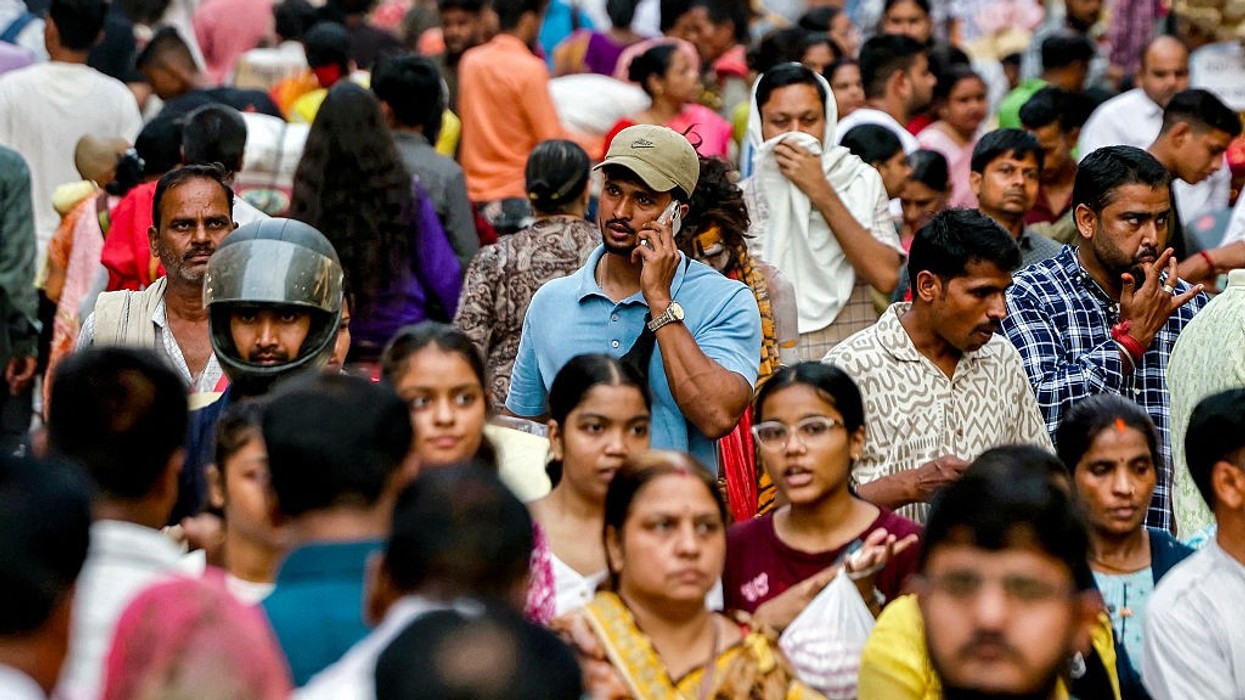
Despite the upbeat outlook, challenges remain. India’s economic size masks a wide income gap with advanced economies. GDP per capita stood at $2,694 in 2024, far below Japan and Germany, highlighting the need for more inclusive growth. Job creation is a pressing concern, especially as more than a quarter of India’s 1.4 billion people are between the ages of 10 and 26.
The government has introduced sweeping consumption tax cuts and labor law reforms to support growth after a recent slowdown. However, currency pressures persist. The Indian rupee hit a record low against the dollar in early December, after falling about 5% in 2025, amid concerns over trade relations with the United States and higher tariffs on Indian goods.
India previously became the world’s fifth-largest economy in 2022 after overtaking the United Kingdom. With continued reforms and strong domestic demand, policymakers believe India is well-positioned to maintain its rapid ascent—provided it can generate quality jobs and ensure broad-based, sustainable growth.











 Let’s stop shaming Genzfor switching jobsI see a lot of ‘career gurus’shaming 22-year-olds for switching jobs every year.But isn’t that exactly what the youth should be doing? 🤔Early in our… | Anupam Mittal | 561 comments