
- Russian crude accounted for just 21.2 per cent of India’s total oil imports in January, the lowest share since late 2022.
- Imports from Russia fell about 23.5 per cent from December and about a third year-on-year.
- Oil from the Middle East rose to roughly 55 per cent of India’s imports, marking the highest share in the period analyzed.
- Latin American oil made up around 10 per cent, a 12-month high for those grades.
- A US-India interim trade deal eased duties partly in return for New Delhi reducing Russian oil purchases.
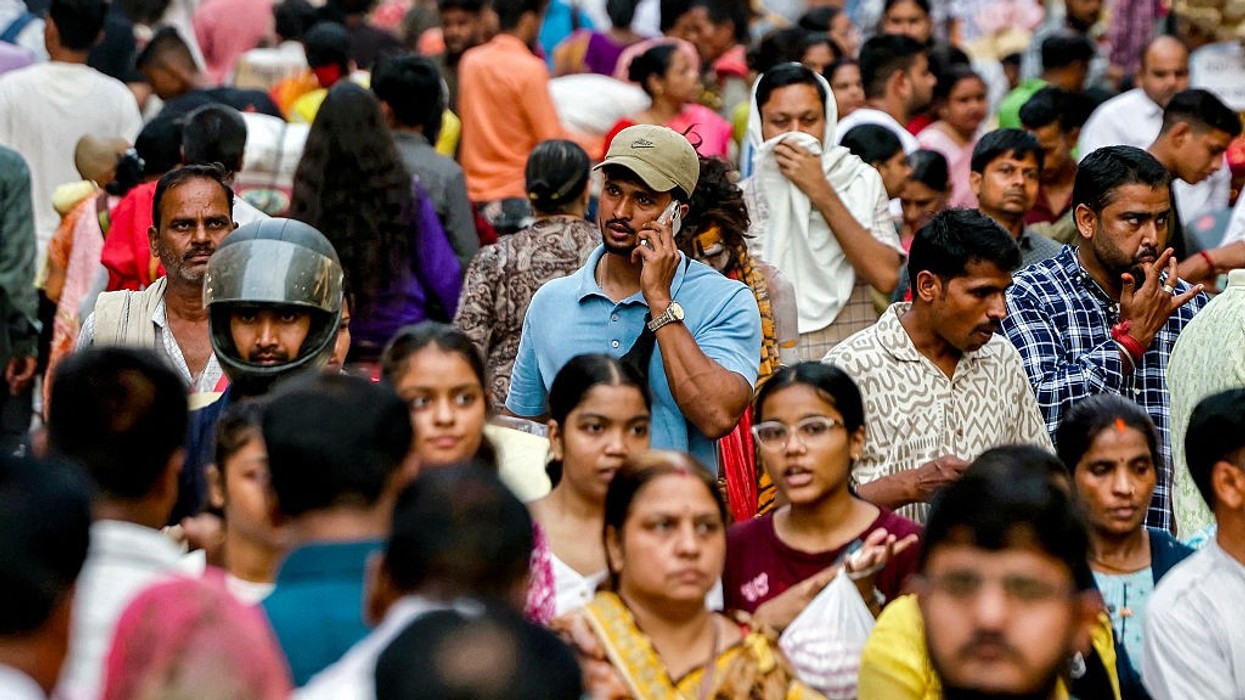
India’s crude oil import mix shifted significantly in January 2026 as the share of Russian crude fell to its lowest level since late 2022, according to industry data, a move that reflects geopolitical pressures and a rebalancing of the country’s energy sources.
New Delhi, the world’s third-largest oil importer and consumer, has long relied on discounted Russian crude since Moscow invaded Ukraine in early 2022. At times during the past few years, India imported more than 2 million barrels per day (bpd) of Russian crude, making it one of Moscow’s biggest buyers. But in January, Russian oil accounted for only 21.2 per cent of India’s total crude imports, the smallest proportion since October 2022, according to data compiled by industry analysts.
Russian shipments to India in January totaled about 1.1 million bpd, a 23.5 per cent decline from December and roughly one-third lower than the volume a year earlier. Analysts expect volumes to continue declining through February and March, with some estimates suggesting flows could average between 1 million and 1.2 million bpd in February and fall further in March.
The reduction in Russian crude’s share comes as India’s refiners broaden their portfolio of suppliers. Oil from the Middle East surged to approximately 55 per cent of India’s total imports in January, marking its highest share in the period analyzed. At the same time, Latin American grades climbed to a 12-month high of about 10 per cent of imports.
Industry analysts note that Saudi Arabia is once again emerging as India’s leading supplier, with February data showing imports from Riyadh tracking at record highs. The shift toward Middle Eastern oil has also pushed the share of OPEC crude in India’s import basket to an 11-month peak.
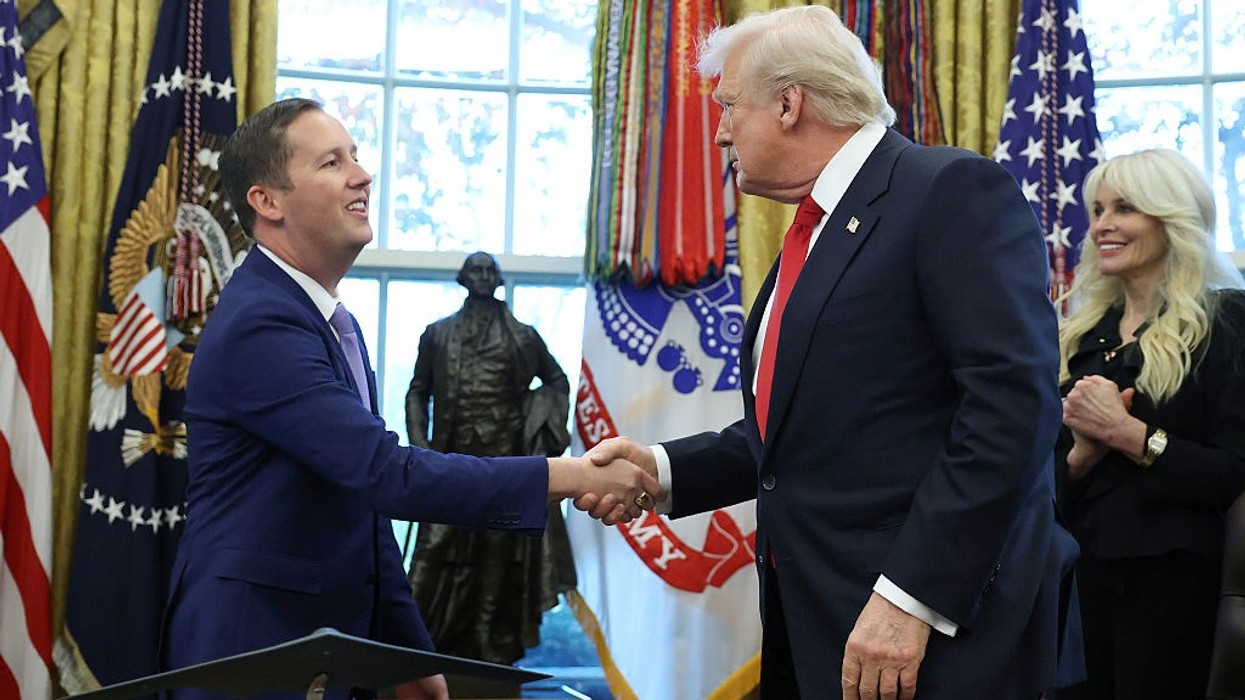
The change in import patterns reflects not only commercial considerations but geopolitical realities. Western sanctions over Russia’s war in Ukraine have made Russian oil less accessible to some buyers and have complicated shipping logistics. At the same time, New Delhi has been under pressure to reduce Russian oil purchases as part of negotiations with Washington on a broader trade agreement. In an interim deal with the United States, Washington eased punitive tariffs on Indian goods in part by citing India’s commitment to cut back on Russian crude imports.
Under that arrangement, the US reduced the tariff rate on Indian products to 18 per cent and scrapped a 25 per cent punitive duty, with Washington also urging greater Indian energy purchases from the United States and other producers such as Venezuela.
Despite the shift, analysts say India is unlikely to cease Russian oil purchases entirely in the near term, though volumes are expected to gradually decline rather than abruptly stop.