
Highlights:
- India is negotiating with Iran to allow its ships safe passage through the Strait of Hormuz.
- Two Indian gas tankers recently crossed the waterway after diplomatic talks.
- At least 22 Indian vessels are still waiting for clearance to pass through the route.
- Nearly half of India’s crude oil imports move through the Strait of Hormuz.
- Regional conflict has pushed global oil prices higher and disrupted shipping.
India is seeking to ease disruptions to its energy supply lines by engaging in diplomatic talks with Iran, hoping negotiations will allow its vessels to safely pass through the strategically crucial Strait of Hormuz.
Speaking to the Financial Times, India’s External Affairs Minister Subrahmanyam Jaishankar said ongoing discussions with Tehran have already produced some positive results. According to him, diplomatic engagement has helped secure passage for a limited number of Indian vessels through the narrow waterway, though a broader agreement covering all ships has not yet been reached.
“I am at the moment engaged in talking to them and my talking has yielded some results,” Jaishankar said, while emphasizing that there is still no “blanket arrangement” guaranteeing passage for every Indian vessel.
The comments come amid a major disruption to shipping routes following a regional conflict that erupted after the United States and Israel launched extensive strikes on Iran on February 28. The escalation has led Iran to restrict ship movements through the Strait of Hormuz, one of the world’s most important maritime chokepoints.
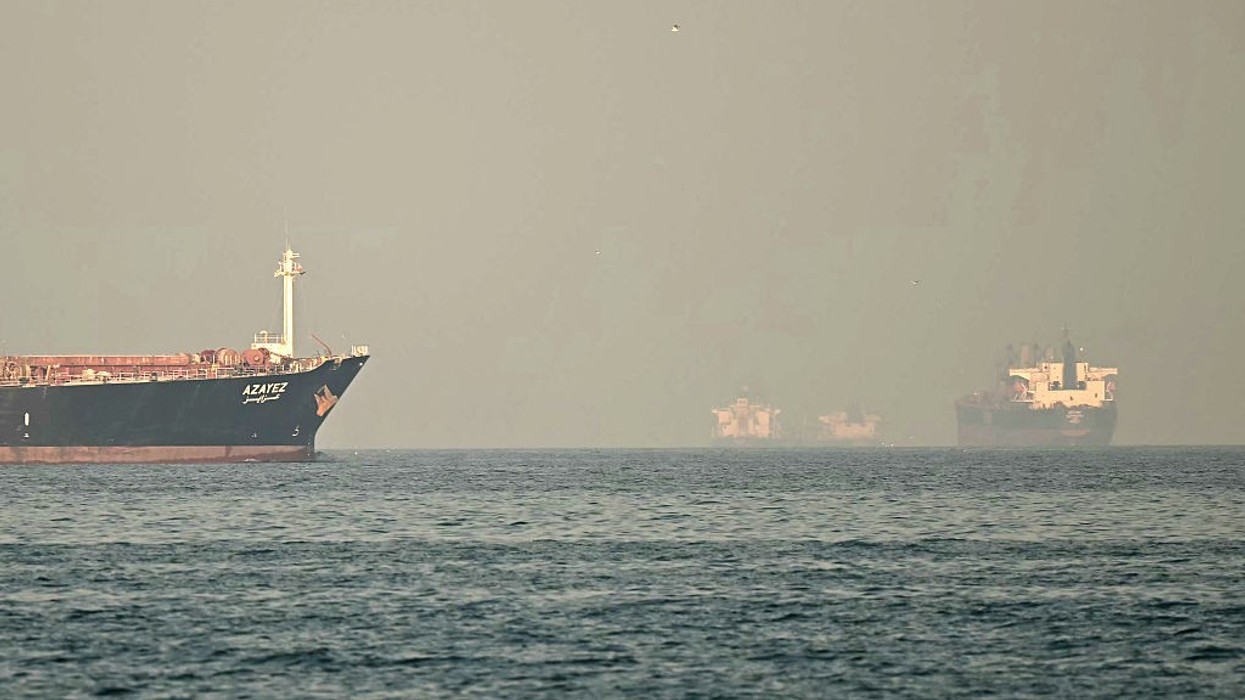
In recent days, two Indian-flagged gas tankers successfully navigated the strait after diplomatic discussions progressed between New Delhi and Tehran. However, about 22 Indian-flagged vessels remain in the region waiting for permission to cross the passage.
The Strait of Hormuz lies between Iran and Oman and connects the Persian Gulf to the Arabian Sea. Roughly one-fifth of the world’s oil and natural gas shipments pass through this narrow channel, making it one of the most critical energy corridors globally.
For India, the route is particularly vital. Approximately 40 to 50 percent of the country’s crude oil imports travel through the strait. The passage also carries about half of India’s liquefied natural gas imports and most of its liquefied petroleum gas shipments.
Disruptions to this supply chain have already begun affecting domestic markets. India has faced a squeeze in cooking gas supplies in recent days, prompting panic buying among consumers and forcing some restaurants to temporarily shut down due to shortages.
Several countries are now exploring diplomatic channels to keep the waterway open. Reports suggest ships linked to China have been permitted to pass through after talks with Iranian authorities. Turkey has also said that one of its vessels crossed the strait following discussions with Tehran.
European governments, including France and Italy, are exploring similar diplomatic options to ensure safe passage for commercial vessels.
Jaishankar said India’s engagement with Iran is rooted in the longstanding bilateral relationship between the two countries rather than any exchange or concession. He also stressed that dialogue remains the most effective way to manage the crisis.
“Certainly, from India’s perspective, it is better that we reason and coordinate and get a solution than we don’t,” he said, adding that continued communication could help ease tensions and stabilize shipping.
The situation, however, remains uncertain. With dozens of vessels still waiting in the region, Jaishankar cautioned that the negotiations are still in the early stages.
“These are still early days,” he said. “We have many more ships there.”