
Highlights:
- $3B export mission expanded with seven new measures targeting MSMEs.
- New e-commerce credit lines with up to 90 pwe cent government guarantee coverage.
- Interest subsidies introduced for export factoring and overseas inventory financing.
- Compliance reimbursements of up to 75 per cent for testing and certification costs.
- Freight and logistics support for remote and underserved regions.
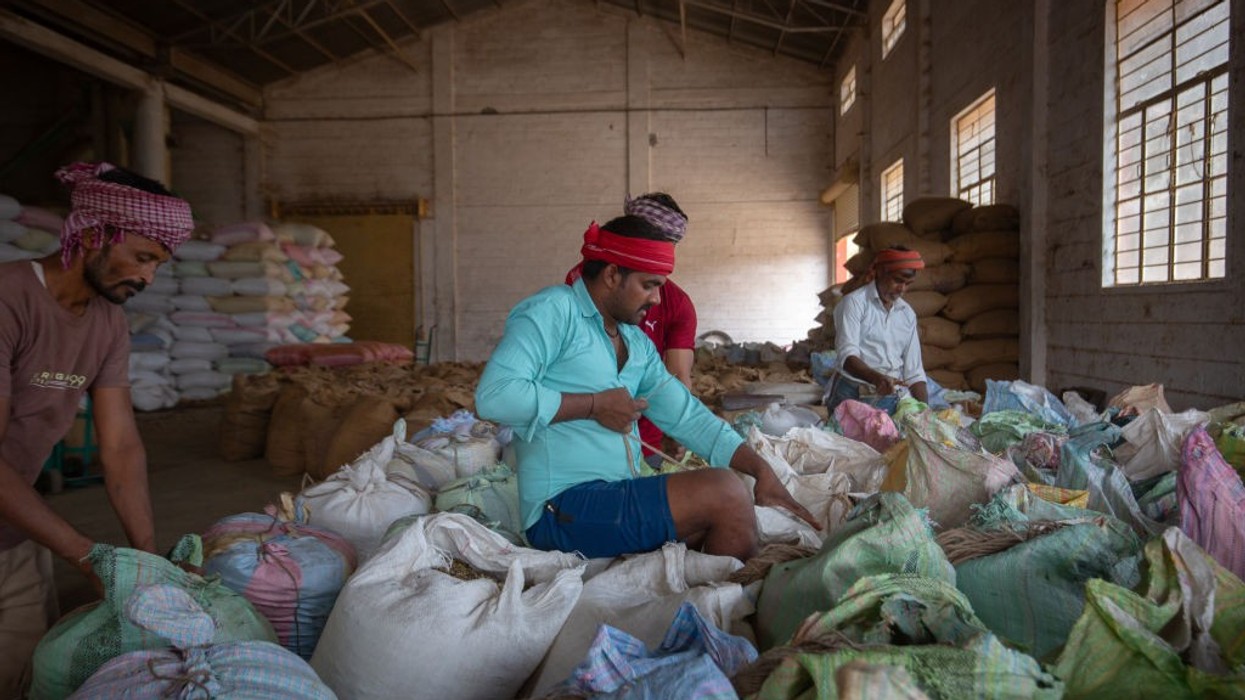
The Indian government on Friday (20) announced seven new measures aimed at boosting exports, expanding credit access, and easing compliance and logistics burdens for small and mid-sized businesses as part of a broader $3 billion export promotion mission.
The initiatives fall under a 250.6 billion rupee (about $3 billion) Export Promotion Mission designed to strengthen outbound shipments and improve India’s competitiveness in global markets. Officials said three of the mission’s 10 components were rolled out in January, with the remaining measures now being implemented.
A key focus of the package is expanding financing options for exporters operating through digital platforms. The Commerce Ministry introduced a Direct E-Commerce Credit Facility offering loans of up to 5 million rupees (about $60,000) with 90 per cent government-backed guarantee coverage. An Overseas Inventory Credit Facility will provide support of up to 50 million rupees (about $600,000) with 75 per cent guarantee coverage, along with an interest subsidy of 2.75 per cent, capped at 1.5 million rupees annually per applicant.
To further ease working capital pressures, the government will subsidize export factoring costs, a trade finance tool that allows businesses to sell receivables at a discount for immediate cash. Eligible transactions conducted through Reserve Bank of India (RBI) or International Financial Services Centres Authority (IFSCA)-recognized entities will qualify for a 2.75 per cent interest subsidy. Assistance is capped at 5 million rupees per micro, small and medium-sized enterprise (MSME) annually and will be processed through a digital claims system.
Officials said the package also includes support for exporters entering new or higher-risk markets. The government will help facilitate alternative trade instruments such as confirmation and negotiation of letters of credit, reducing payment risks for exporters exploring emerging destinations.
To address regulatory hurdles, the government launched a Trade Regulations, Accreditation and Compliance Enablement (TRACE) program. Under TRACE, exporters can receive partial reimbursement for testing, inspection and certification expenses needed to meet international standards. Eligible firms will be reimbursed up to 60% of costs under a “Positive List” and up to 75% under a “Priority Positive List,” subject to an annual cap of 2.5 million rupees per Import Export Code (IEC).
The government is also investing in logistics infrastructure through a Facilitating Logistics, Overseas Warehousing and Fulfillment (FLOW) initiative. Exporters will be able to access overseas warehousing facilities and e-commerce export hubs integrated with global distribution networks. Financial support of up to 30% of approved project costs will be available for up to three years, subject to participation norms for MSMEs.
Recognizing regional disparities, the government introduced Logistics Interventions for Freight and Transport (LIFT), aimed at exporters in remote, northeastern, hilly, and landlocked regions. The program will reimburse up to 30 per cent of eligible freight expenses, capped at 2 million rupees per IEC per fiscal year.
Finally, the Support for Trade Intelligence and Facilitation (INSIGHT) initiative will fund projects that improve market intelligence and trade facilitation. Assistance will typically cover up to 50 per cent of project costs, rising to 100% for proposals from central and state government institutions and Indian missions abroad.
Through these coordinated financial and ecosystem measures, officials said the government aims to lower the cost of capital, diversify trade finance tools, strengthen compliance readiness and integrate Indian MSMEs more deeply into global supply chains.











 Getty Images