
- US tariffs on Indian goods cut from 50 per cent to 18 per cent
- 25 per cent punitive duty linked to Russian oil purchases scrapped
- India to buy $500 billion worth of US goods
- New Delhi agrees to cut tariffs and non-tariff barriers on US imports to zero
- Deal reached after months of quiet diplomacy and strategic signaling
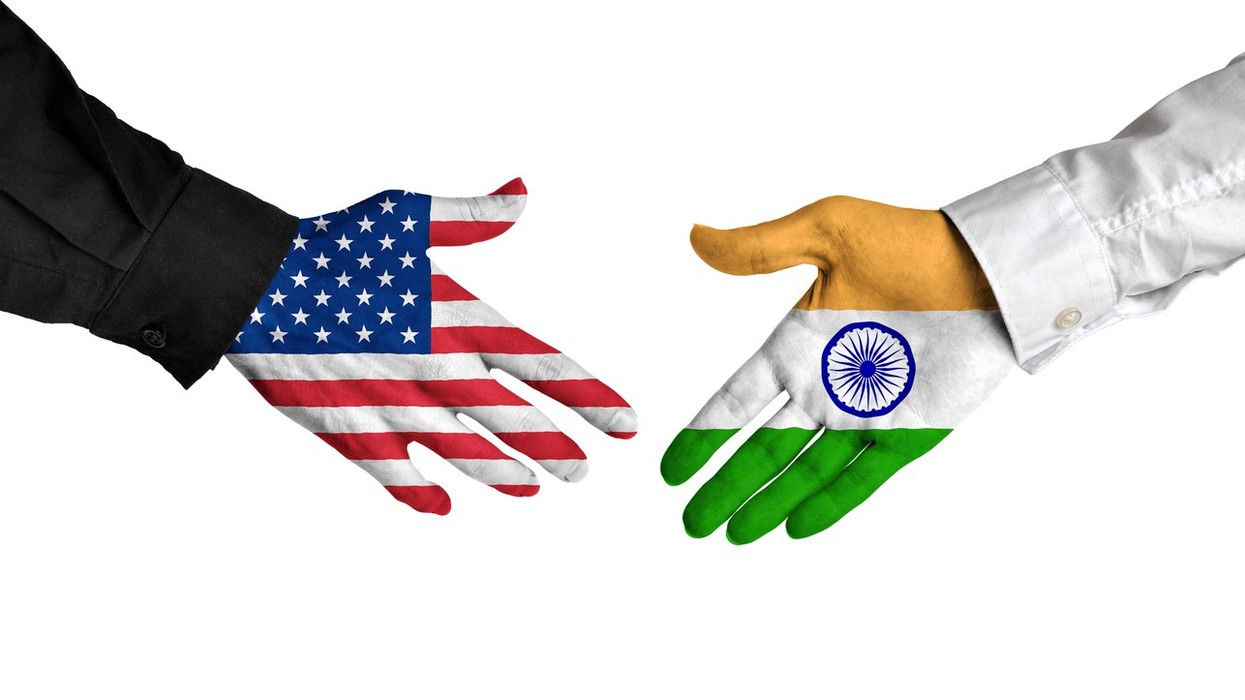
President Donald Trump and Indian prime minister Narendra Modi on February 2, surprised policymakers and markets alike by announcing a dramatic India-US trade deal. The agreement lowers tariffs on Indian exports to the US from a steep 50 per cent to 18 per cent, placing India in a more favorable position than many Asian competitors.
Trump also confirmed that Washington would scrap the additional 25 per cent duty imposed on India over its purchases of Russian oil and military equipment. In return, India committed to buying $500 billion worth of US goods, eliminating tariffs and non-tariff barriers on American imports, and redirecting part of its oil purchases toward Venezuela.
Although the agreement has not yet been formally signed and several details remain unresolved, the announcement marked a sharp turnaround after months of deteriorating relations.
How relations hit a low point
Ties between New Delhi and Washington worsened sharply last year after Trump imposed a 50 per cent tariff on Indian goods in August. The move included a punitive component tied directly to India’s continued imports of discounted Russian crude.
Trump publicly criticized India as a “dead economy,” accused it of maintaining unfair trade barriers, and claimed New Delhi was indirectly funding Russia’s war in Ukraine. These remarks angered Indian officials and raised doubts about the durability of one of India’s most important strategic partnerships.
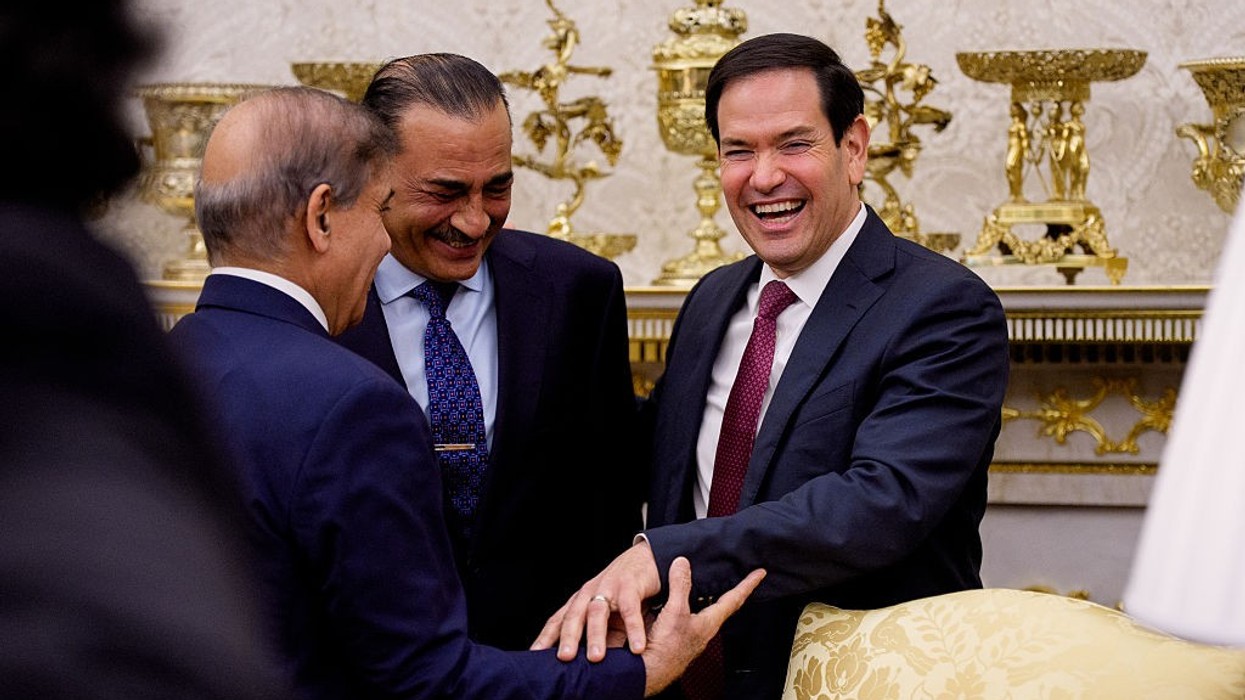
Tensions escalated further when Trump claimed he had used tariffs to help resolve an India-Pakistan standoff, an assertion New Delhi firmly rejected. In June, prime minister Modi declined Trump’s invitation to visit the White House, particularly as the US president was hosting Pakistan’s army chief at the time.
The quiet diplomatic reset
Behind the scenes, India moved to stabilize ties. In early September, Indian national security adviser Ajit Doval traveled to Washington shortly after Modi met Russian president Vladimir Putin and Chinese president Xi Jinping.
During a key meeting with US Secretary of State Marco Rubio, Doval conveyed that India wanted to resume trade negotiations but would not yield to pressure tactics. According to officials familiar with the discussion, Doval made clear that India was prepared to wait out Trump’s term if necessary.
That meeting proved pivotal. Days later, Trump called Modi on his birthday, praising his leadership. By the end of the year, the two leaders had spoken four more times, gradually rebuilding trust and momentum toward a deal.
Strategic signaling and global options
India reinforced its leverage by signaling strategic autonomy. High-profile interactions with Xi and Putin, including hosting Putin in December that showed New Delhi has alternatives. India also accelerated economic diversification, finalizing a long-pending free trade agreement with the European Union and concluding a deal with the UK.
The arrival of new US ambassador Sergio Gor in December added fresh momentum. A close associate of Trump and Rubio, Gor publicly framed bilateral tensions as disagreements among “real friends” and hinted at deeper cooperation ahead.
What the deal means going forward
The US absorbs roughly one-fifth of India’s exports, including a major share of mobile phones and electronics. American firms, meanwhile, are expanding investments in India across artificial intelligence, manufacturing, and finance.
While challenges remain, particularly around Russian oil purchases and agricultural market access, the trade breakthrough demonstrates India’s ability to resist pressure quietly while protecting long-term strategic priorities.
Notably, neither side has yet released a formal document outlining the full scope of the agreement, leaving key details to be finalized in the weeks ahead.