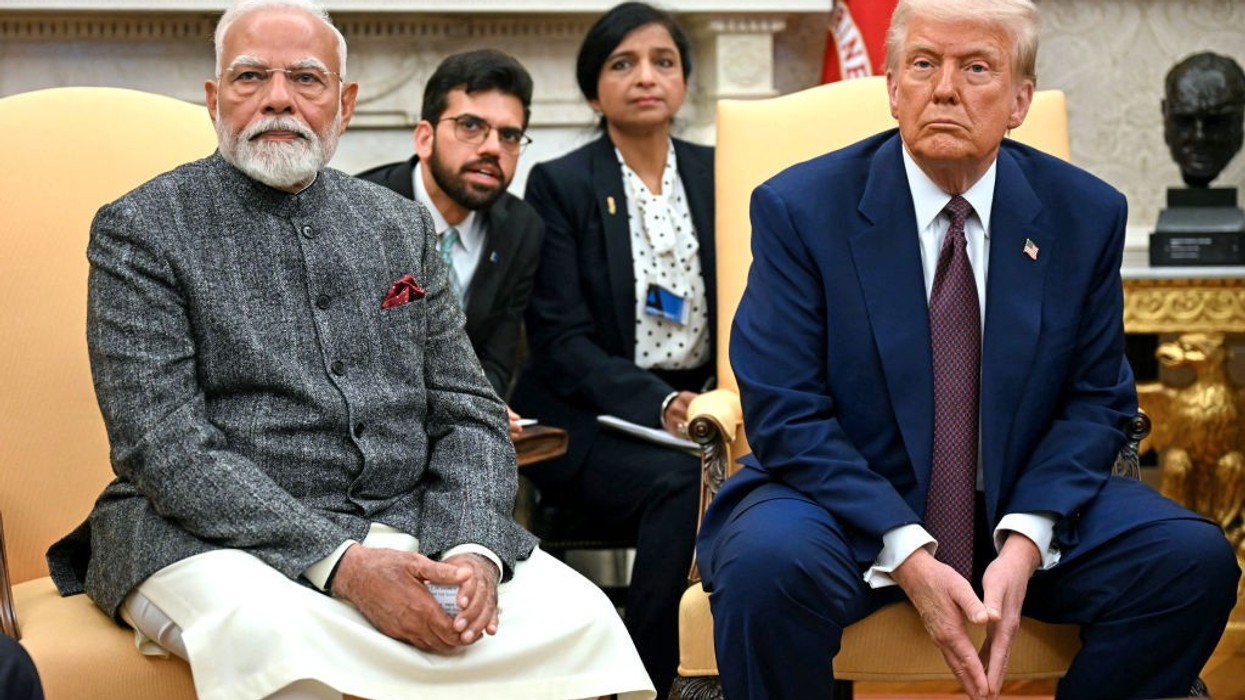

India on Thursday (12) said a joint statement issued with the United States remains the authoritative framework for a proposed interim trade agreement, after Washington amended a White House fact sheet to align it with what New Delhi described as a “shared understanding” between the two sides.
Addressing a weekly media briefing, External Affairs Ministry spokesperson Randhir Jaiswal emphasized that the February 7 joint statement outlining a framework for “reciprocal and mutually beneficial trade” continues to guide negotiations. He said both countries are now working toward implementing that framework and finalizing the interim deal.
“The joint statement is the framework and remains the basis of our mutual understanding in the matter,” Jaiswal said, adding that amendments to the US fact sheet reflect the understandings reached so far.
The original White House fact sheet, issued earlier this week, triggered controversy in India. It stated that India would reduce tariffs on “certain pulses” and had committed to purchasing $500 billion worth of American goods, including energy and technology, over five years. The revised version removed references to pulses and softened the language on purchases, saying instead that India “intends to buy” more US goods.
People familiar with the discussions said New Delhi raised concerns with Washington over language in the fact sheet that suggested firm commitments on issues still under negotiation. Following those representations, the US side updated the document.
The amended fact sheet continues to list agricultural products such as tree nuts, soybean oil, wine, and spirits for potential tariff reductions but omits pulses, a politically sensitive commodity in India. As the world’s largest producer and consumer of pulses, India faces strong domestic pressure from farmers’ groups wary of agricultural market liberalization.
The revised document also removed language suggesting India would eliminate its digital services tax. Instead, it says India is “committed to negotiating” digital trade rules. India had already scrapped its 6 per cent equalization levy on digital advertising services effective April 1, 2025, through the Finance Bill.
Bilateral trade ties have faced strain over the past year, particularly after the US imposed steep reciprocal and punitive tariffs on Indian exports. Those duties were recently reduced, offering relief to Indian exporters. However, Washington has warned that punitive tariffs could return if India resumes large-scale purchases of Russian oil, an issue New Delhi says will be guided by national interest and energy security considerations.