

Shares of leading Indian information technology companies fell for the second consecutive day on Wednesday (24) after the US government announced sweeping changes to the H-1B visa selection process, raising fresh concerns about hiring costs and workforce deployment for global tech firms.
Stocks of Infosys Ltd., Tata Consultancy Services Ltd. (TCS), Wipro Ltd., Tech Mahindra Ltd., Mphasis, Persistent Systems, and Coforge declined between 1 per cent and 2 per cent. Coforge emerged as the top loser on the Nifty IT index, extending losses close to 2 per cent in intraday trade.
The sell-off followed a Tuesday announcement by the US Department of Homeland Security (DHS), which modified the H-1B visa selection mechanism by replacing the long-standing random lottery system with a weighted, wage-based process. Under the new framework, higher-paid and more highly skilled workers will receive greater preference.
According to the US Citizenship and Immigration Services (USCIS), the random lottery system had been “abused for lower wage imports,” and the changes are intended to provide greater protection for American workers. The new rules will take effect on February 27, 2026, and will apply starting with the financial year 2027 H-1B cap registration season.
The revised process assigns multiple entries into the selection pool based on wage levels. Fully competent Wage Level IV workers will receive the highest weightage, significantly improving their odds of selection. Experienced Wage Level III workers will also benefit, though to a lesser extent. In contrast, entry-level Wage Level I applicants will receive no additional weight, giving them the lowest probability of selection.
Currently, Wage Level I and II workers account for nearly 70 per cent of all H-1B visas issued, while Wage Level III and IV workers make up roughly 30 per cent. Industry analysts say the new rules could materially reduce the number of visas granted to entry-level professionals, who form a substantial portion of the Indian IT workforce in the US.
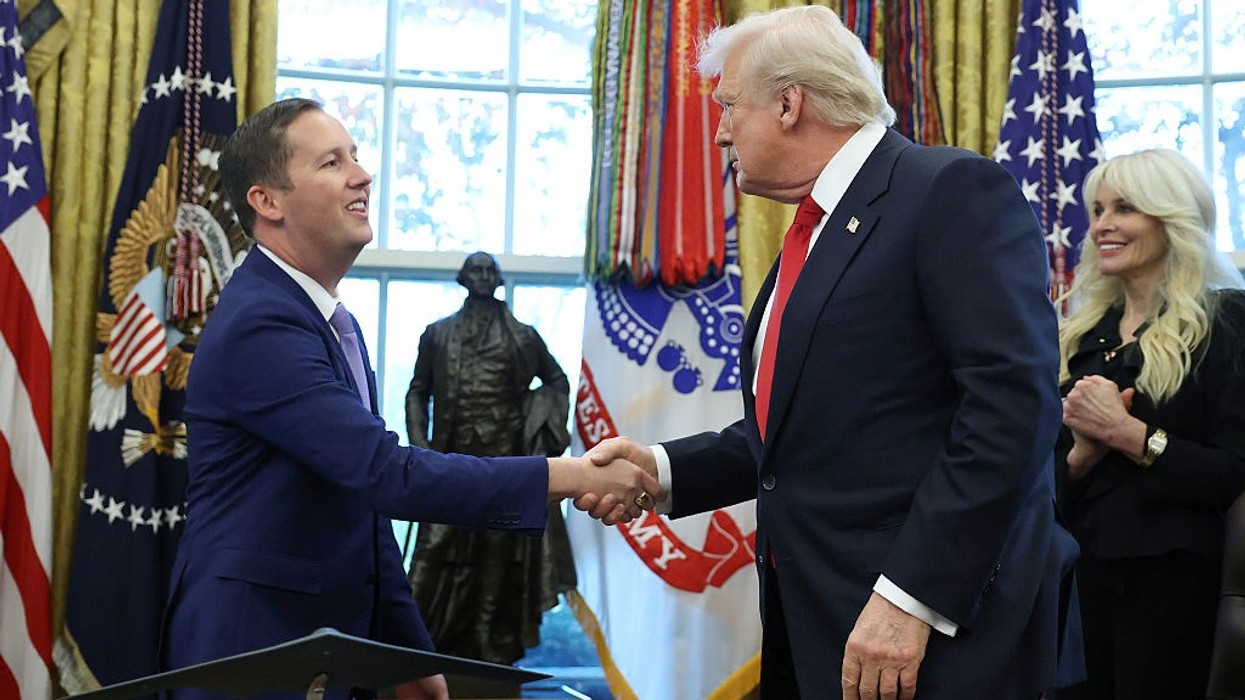
The policy shift aligns with President Donald Trump’s broader push to reform the H-1B visa program. In addition to the weighted selection process, the administration has proposed an additional $100,000 fee per H-1B visa as an eligibility requirement. A federal judge ruled this week that the administration can move forward with the sharply higher visa fee.
Market participants say the financial implications for Indian IT companies could be significant. When the fee was first proposed in September, fund manager Sandip Agarwal of Sowilo Investment Managers estimated that the added cost could reduce industry margins by 6 per cent to 7 per cent.
With the top five Indian IT firms generating nearly $80 billion in annual revenue and an estimated 10,000 H-1B visas issued each year, analysts warn that higher visa costs and tighter selection criteria could pressure profitability, particularly for companies with large onsite staffing models in the US.
As uncertainty around US immigration policy persists, investors remain cautious, keeping Indian IT stocks under pressure despite strong long-term demand for digital and technology services.










 Let’s stop shaming Genzfor switching jobsI see a lot of ‘career gurus’shaming 22-year-olds for switching jobs every year.But isn’t that exactly what the youth should be doing? 🤔Early in our… | Anupam Mittal | 561 comments