
Highlights:
- Congress flags May 10 developments
- Rubio announced operation halt first
- U.S. lobbying firm disclosure revealed
- Trade angle linked to decision
- Embassy calls lobbying routine practice
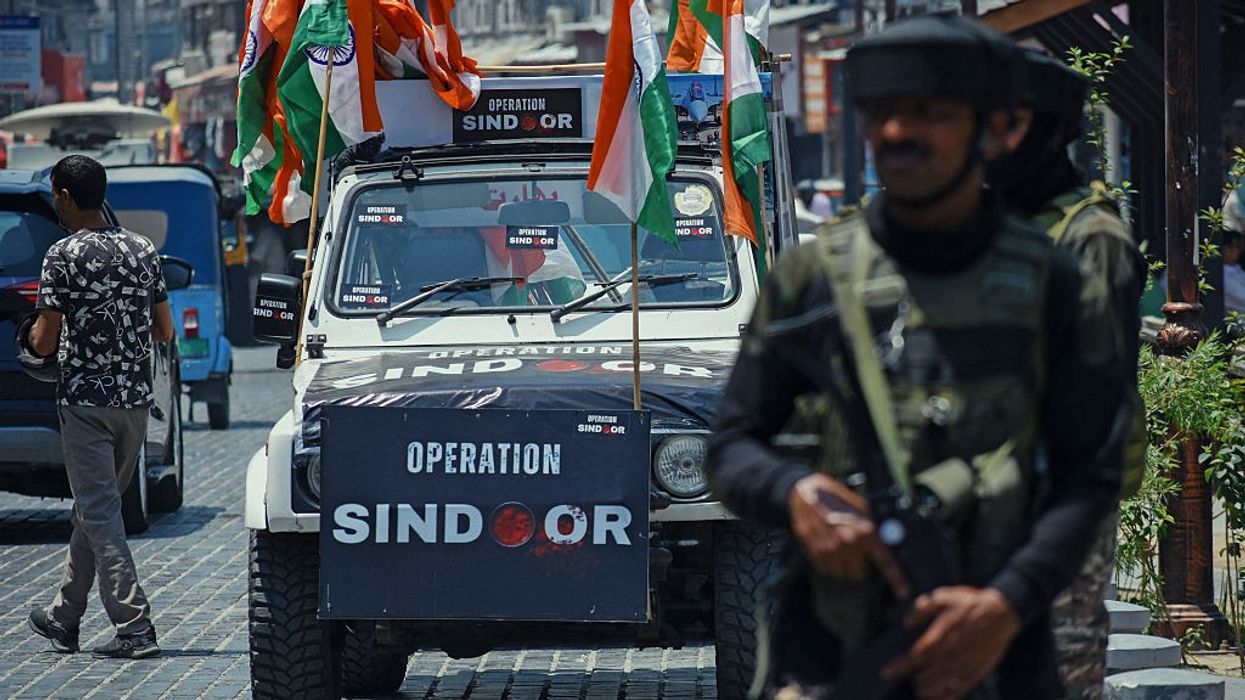
The Congress party on Tuesday (6) claimed that “much obviously happened” on May 10, 2025, before the halt of Operation Sindoor was publicly announced, pointing to disclosures by a U.S. lobbying firm hired by the Indian embassy in Washington. The opposition alleged that diplomatic outreach involving trade discussions and media management may have played a role in the decision to stop the military operation.
The remarks followed public filings made under the US Foreign Agents Registration Act (FARA) by SHW Partners LLC, an American lobbying firm engaged by the Indian embassy. According to the filings submitted to the U.S. Department of Justice, the firm assisted the embassy in engaging with the Donald Trump administration on multiple issues, including a proposed India–U.S. trade deal and the media coverage of Operation Sindoor.
Operation Sindoor was India’s military action targeting terror infrastructure in Pakistan and Pakistan-occupied Kashmir (PoK). India and Pakistan ended their four-day military conflict on May 10, 2025. Later that day, U.S. Secretary of State Marco Rubio announced that the operation had been halted, a sequence that Congress leaders now say warrants closer scrutiny.
In a post on X, Congress general secretary in charge of communications Jairam Ramesh said that significant developments must have occurred on May 10, leading to Rubio’s announcement at 5:37 p.m. local time. He suggested that the timing raised questions about diplomatic and external factors influencing the outcome.
Another Congress leader, Amitabh Dubey, pointed to the involvement of the U.S. Trade Representative in the lobbying outreach on the same day. He said this indicated that trade considerations may have been linked to the decision to halt military action. Dubey argued that the presence of economic officials alongside national security figures suggested a broader context beyond purely strategic or military calculations.
The FARA filings state that SHW Partners helped the Indian embassy reach out to three senior Trump administration officials on May 10: White House Chief of Staff Susie Wiles, U.S. Trade Representative Jamieson Greer, and National Security Council official Ricky Gill. The stated purpose of the outreach was to “discuss media coverage of Operation Sindoor.” The assistance reportedly included arranging meetings, phone calls, and email exchanges between Indian and U.S. officials.
Responding to the controversy, the Indian embassy in Washington said there was nothing unusual about the arrangement. In a statement, the embassy emphasized that it is standard practice for foreign missions, business organizations, and private entities in the United States to hire lobbyists and consultants to support outreach and engagement. It added that Indian embassies have worked with such firms since the 1950s, across governments of different political parties, in compliance with U.S. laws and local norms.
The issue gained further attention after separate FARA disclosures showed that another lobbying firm, Seiden Law LLP, had assisted Pakistan in building long-term economic partnerships with the United States and had extended support during its conflict with India.
While the government maintains that the lobbying was routine and unrelated to military decisions, Congress has said the disclosures raise serious political and strategic questions about the circumstances surrounding the halt of Operation Sindoor.





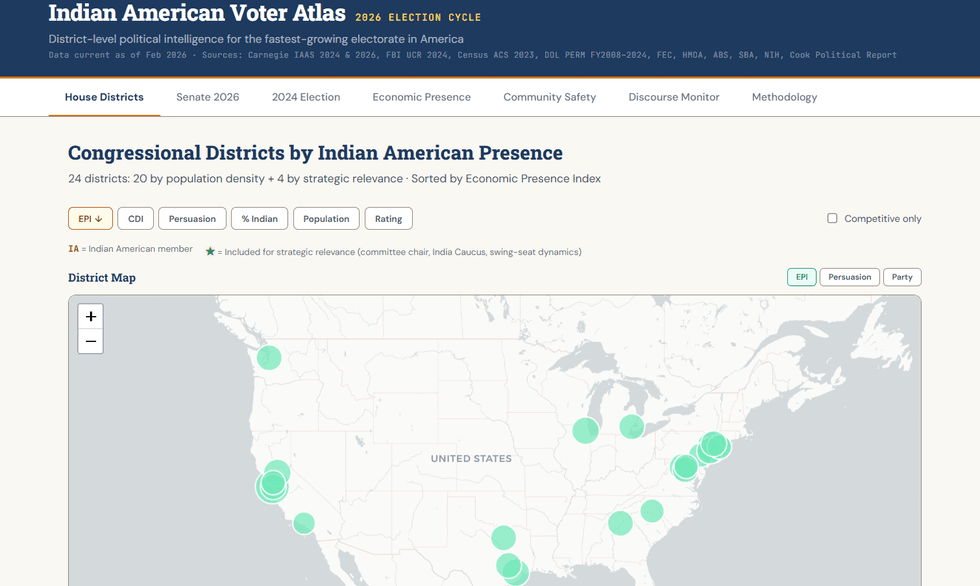 https://www.voteratlas.io/
 https://www.voteratlas.io/