
Highlights:
The American dream is built on hope. But for some families, it has become a story of distance, debt, and devastating loss.
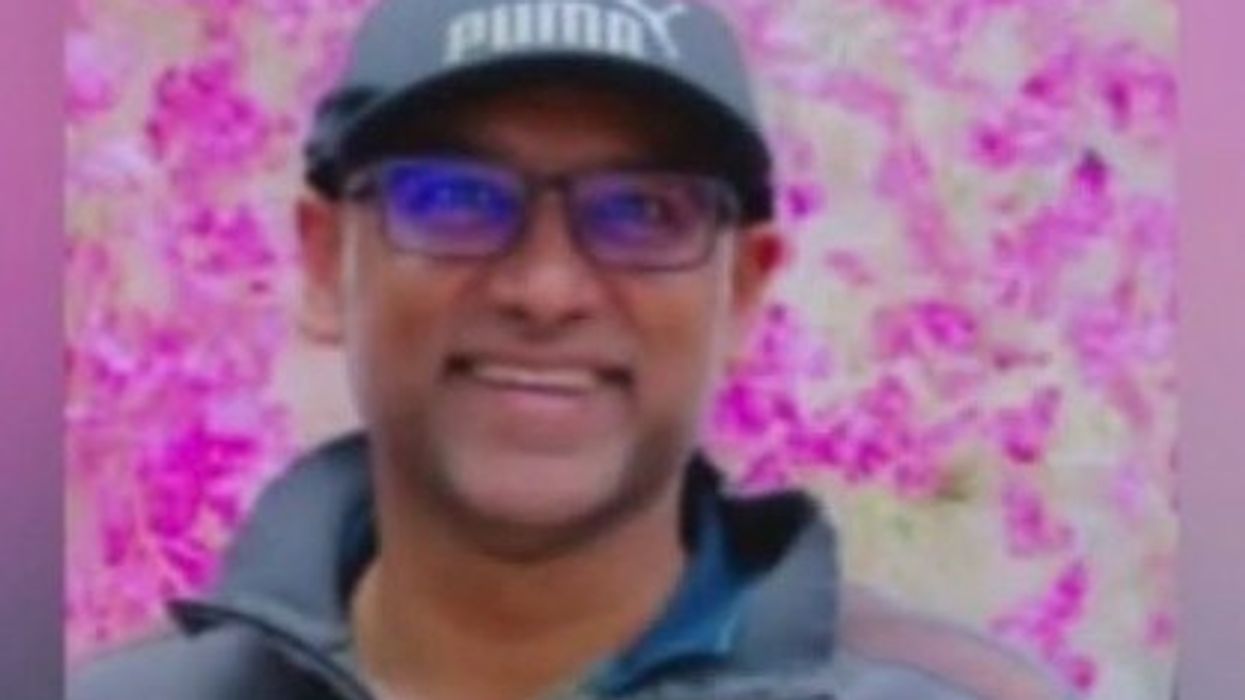
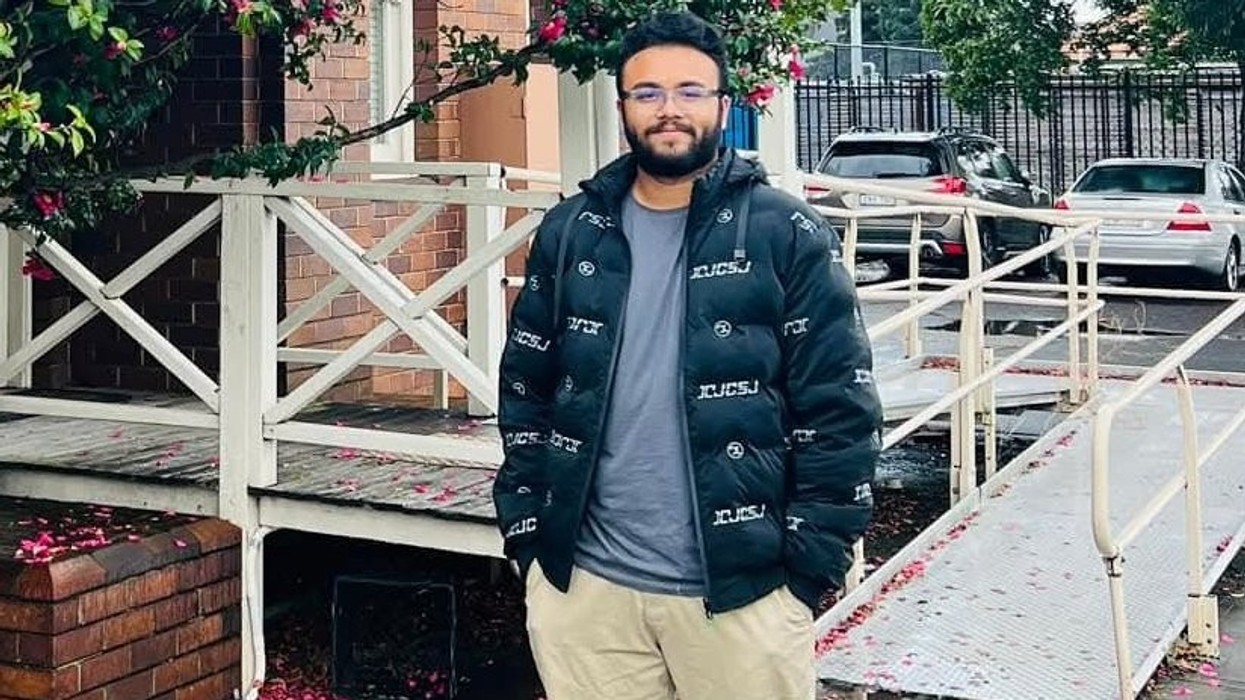
When 30-year-old Sasikanth Reddy Donthireddy died of a reported cardiac arrest on February 16, 2026, he left behind more than grieving parents in India. He left behind eight years of sacrifice, years spent chasing stability in a country that never fully let him belong.
His death moved US-based Indian-origin entrepreneur Vijay Thirumalai to post a deeply emotional message online, one that quickly went viral.
“Parents, pls, don’t send your kids to US if you are not able to buy them a GC thru EB5,” he wrote, referring to the employment-based investor visa. “Not worth the hassle.”
Reddy’s journey is painfully familiar to thousands of Indian families. He arrived in the United States in 2018 on an F-1 student visa, chasing higher education and opportunity. He completed not one but two master’s degrees to maintain legal status. He entered the H-1B lottery multiple times. Each year brought hope. Each year brought disappointment.
For nearly eight years, he did not see his parents.
A fundraiser created to repatriate his body to India revealed the emotional toll he carried. “The repeated disappointments and visa uncertainty caused him a lot of stress,” the appeal stated. Despite the uncertainty, he worked long hours and kept trying.
The H-1B visa, once seen as a golden ticket for skilled professionals, has increasingly become a gamble. The lottery system means selection is never guaranteed. Even those who secure it face decades-long green card backlogs under Ethe B-2 and EB-3 categories.
Thirumalai didn’t mince words. He called the F-1 pathway “far too restrictive” and described the H-1B lottery as a “1/3 ratio.” For families who mortgage homes or take on heavy loans to fund U.S. education, the emotional and financial risks, he warned, may outweigh the reward.
“DO NOT mortgage your house, savings, take loans to sponsor undergrad or post grad,” he wrote. “Not worth it.”
He suggested that the same money could help a child start a business in India, close to family, free from visa anxiety.
The debate comes as immigration policy grows more restrictive. Under president Donald Trump, new rules introduced in late 2025 significantly increased employer costs for new H-1B petitions, including a $100,000 payment requirement for most new filings. Supporters say the changes protect American jobs. Critics argue they make hiring foreign talent prohibitively expensive and deepen uncertainty for immigrants.
Meanwhile, India’s Commerce Minister Piyush Goyal recently said the H-1B system had 'deteriorated into a lottery' after the pandemic, describing how companies apply in bulk to offset uncertainty.
For Indian nationals, who historically account for over 70 per cent of H-1B approvals, the stakes are especially high. Delays in visa stamping, stricter scrutiny, and long green card backlogs have created a generation living in limbo.
Behind every statistic is a family waiting at an airport that never comes. A mother watching her son age through video calls. A father postponing retirement, hoping to see his child settled.
Sasikanth Reddy’s story is not just about immigration policy. It is about time lost. About stress carried quietly. About dreams deferred, and, in one heartbreaking case, cut short.