
Highlights:
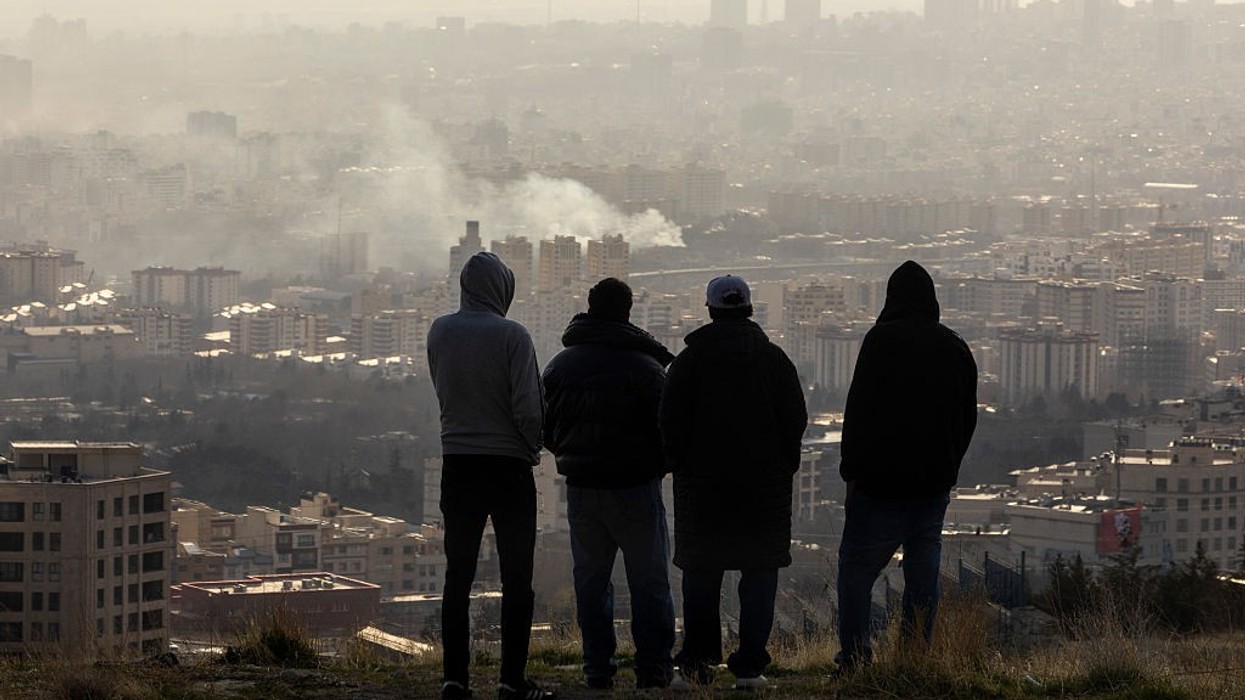
As tensions between the United States, Israel, and Iran intensified in late February and early March 2026, anxiety spread far beyond the region’s military flashpoints. For millions of Indians living across West Asia, particularly in Iran and the United Arab Emirates, the crisis is being followed with growing concern.
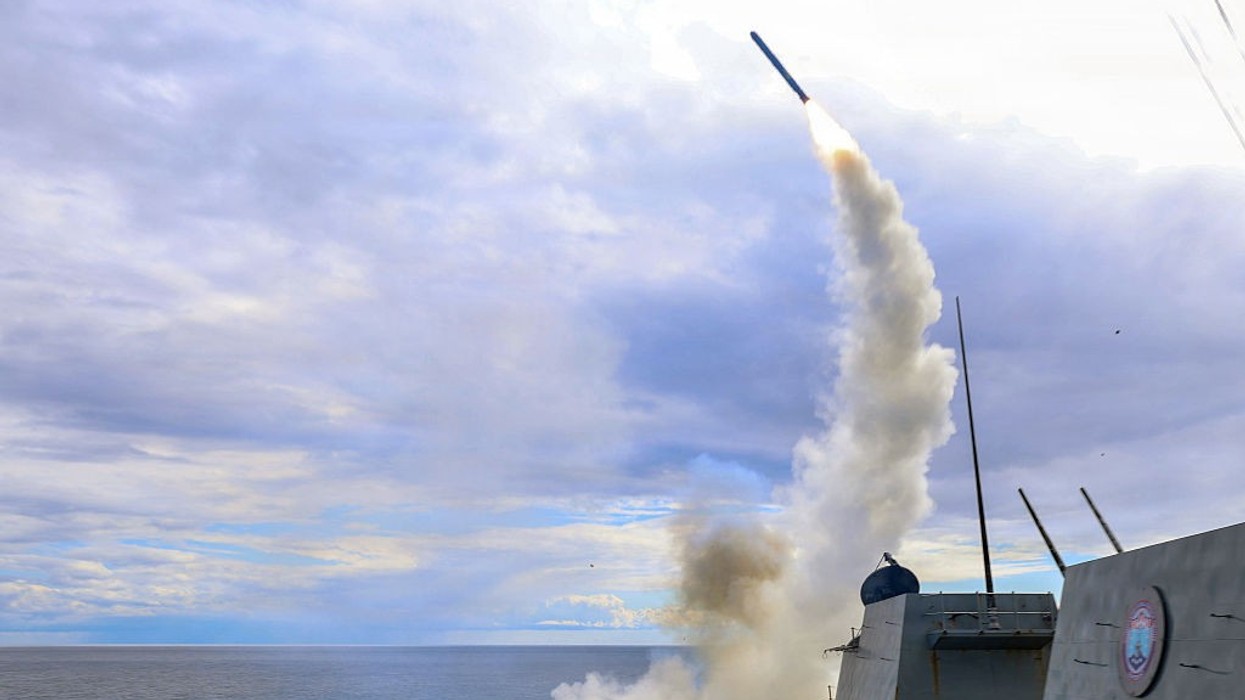
The latest escalation followed a series of military strikes and retaliatory actions that raised fears of a wider regional conflict. The situation has already affected shipping routes, aviation corridors, and diplomatic relations across the Gulf.
For Indian expatriates, the developments are not merely geopolitical headlines. They directly affect daily life, from travel plans and job security to communication with family members back home.
Indians in the Gulf: A vast community
West Asia hosts one of the largest concentrations of Indians outside their homeland. The United Arab Emirates alone is home to more than four million Indians, making them the country’s largest expatriate population.
In cities like Dubai and Abu Dhabi, Indians play a central role in the economy, working across sectors such as construction, aviation, hospitality, healthcare, finance, and technology. Dubai itself is estimated to house nearly two million Indian residents, reflecting decades of migration driven by employment opportunities and strong trade links between India and the Gulf.
Across the broader region—including countries such as Saudi Arabia, Qatar, Kuwait, Oman, and Bahrain- nearly 10 million Indians live and work, forming one of the most significant overseas communities for India.
Many of these migrants come from states such as Kerala, Tamil Nadu, Andhra Pradesh, Telangana, Uttar Pradesh, Bihar, and Punjab, where Gulf migration has shaped local economies for generations. Remittances sent home by these workers contribute billions of dollars annually to India’s economy.
Indians in Iran: Smaller but vulnerable
While the Indian presence in Iran is much smaller compared with the Gulf states, the community remains diverse and historically connected.
Indians in Iran include students enrolled in universities, small traders, professionals, and religious pilgrims, particularly those visiting the Shia holy cities of Qom and Mashhad. Medical travellers and business visitors also make up a portion of the community.
With tensions rising in the region, some families in India have reported difficulty contacting relatives due to intermittent communication disruptions and travel complications. The uncertainty has raised concerns among families whose loved ones remain in the country.
Life in Dubai amid regional tension
In major UAE cities such as Dubai and Abu Dhabi, daily life has largely continued as normal, though residents remain alert to developments in the wider region.
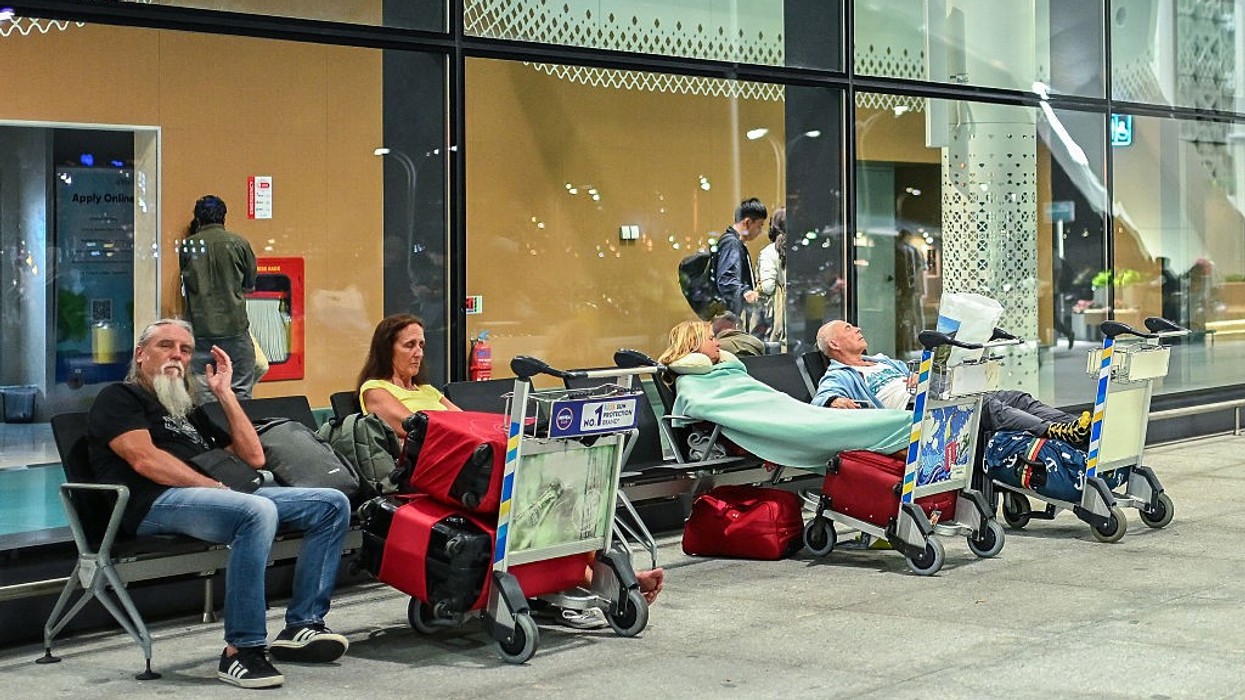
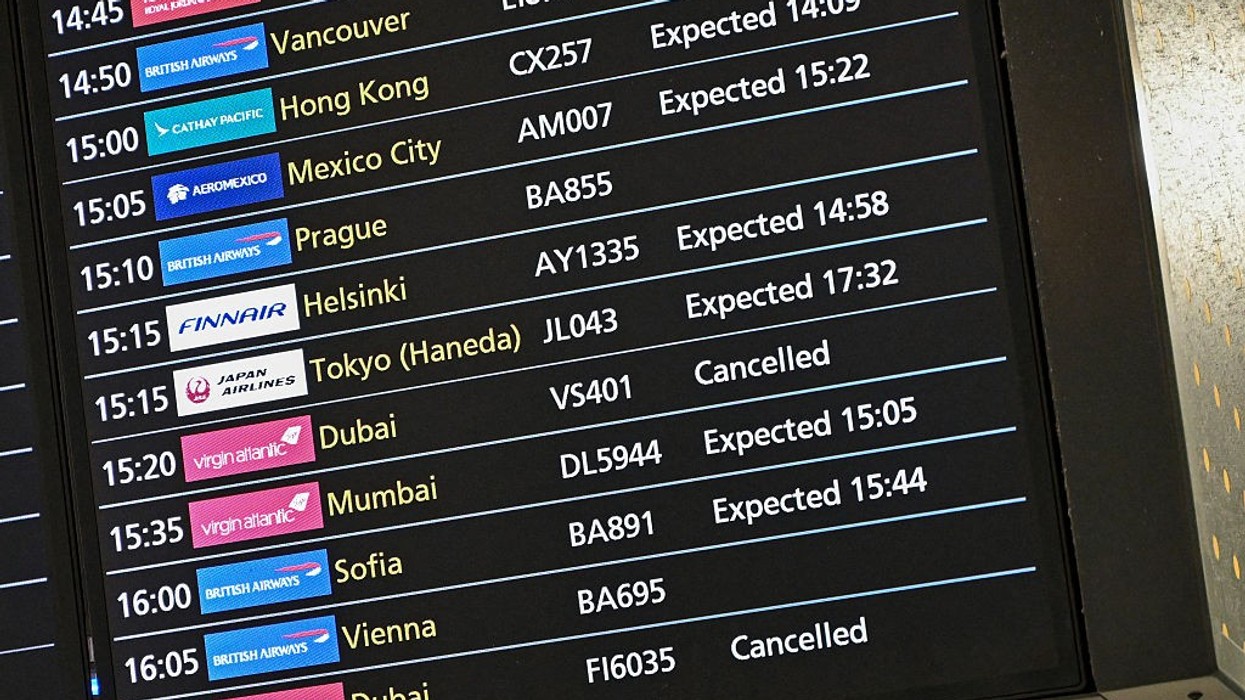
Air travel has faced occasional disruptions as airlines adjust routes or delay flights in response to regional airspace concerns. While authorities in the UAE have maintained stability and clear communication with residents, the conflict has heightened awareness among expatriates who closely follow news of military developments.
For many workers and business owners, the greatest concern is the potential economic impact of a prolonged conflict. Any disruption to oil shipments through the Strait of Hormuz, one of the world’s most important energy corridors, could affect global markets and regional economies.
What Indians abroad expect from New Delhi
For Indians living in Iran and the Gulf, the situation has renewed calls for proactive planning by the Indian government.
Many expatriates hope New Delhi will prepare contingency evacuation plans should the security situation deteriorate. India has conducted several large-scale rescue operations in recent years, evacuating citizens from conflict zones around the world.
Embassies and consulates are also expected to provide timely advisories, emergency contact systems, and travel guidance for citizens in affected areas.
At the diplomatic level, India has urged restraint and dialogue, emphasising the importance of de-escalation to protect regional stability and the safety of millions of foreign workers, including Indians.
Waiting and watching
For now, most Indians across West Asia continue their routines while closely monitoring developments in the region.
For many families in India, the unfolding crisis is being followed with equal anxiety from thousands of kilometres away. Their hopes rest on diplomacy prevailing over confrontation—and on the assurance that, if the situation worsens, support systems will be ready to bring their loved ones home safely.