
Highlights:
- India secured an 18 per cent US tariff rate, while Pakistan faces 19 per cent
- Critics say Pakistan lobbied hard but gained little in return
- Journalists call the outcome a sign of collapsing economic leverage
- Opposition contrasts India’s “strategic autonomy” with Pakistan’s dependence
- Public anger grows over leadership priorities and foreign policy direction
Pakistan’s political leadership and military establishment are facing mounting criticism at home after India secured more favorable tariff terms in a new trade agreement with the United States, triggering sharp reactions from journalists, opposition figures, and civil society voices across the country.
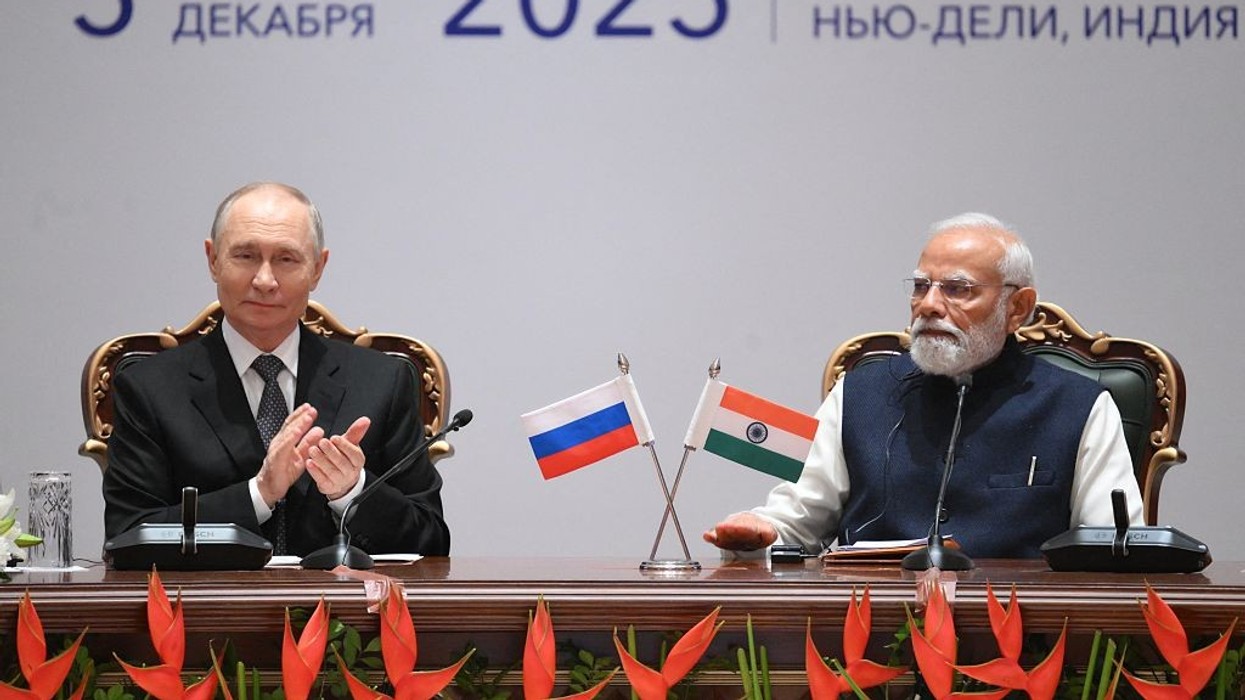
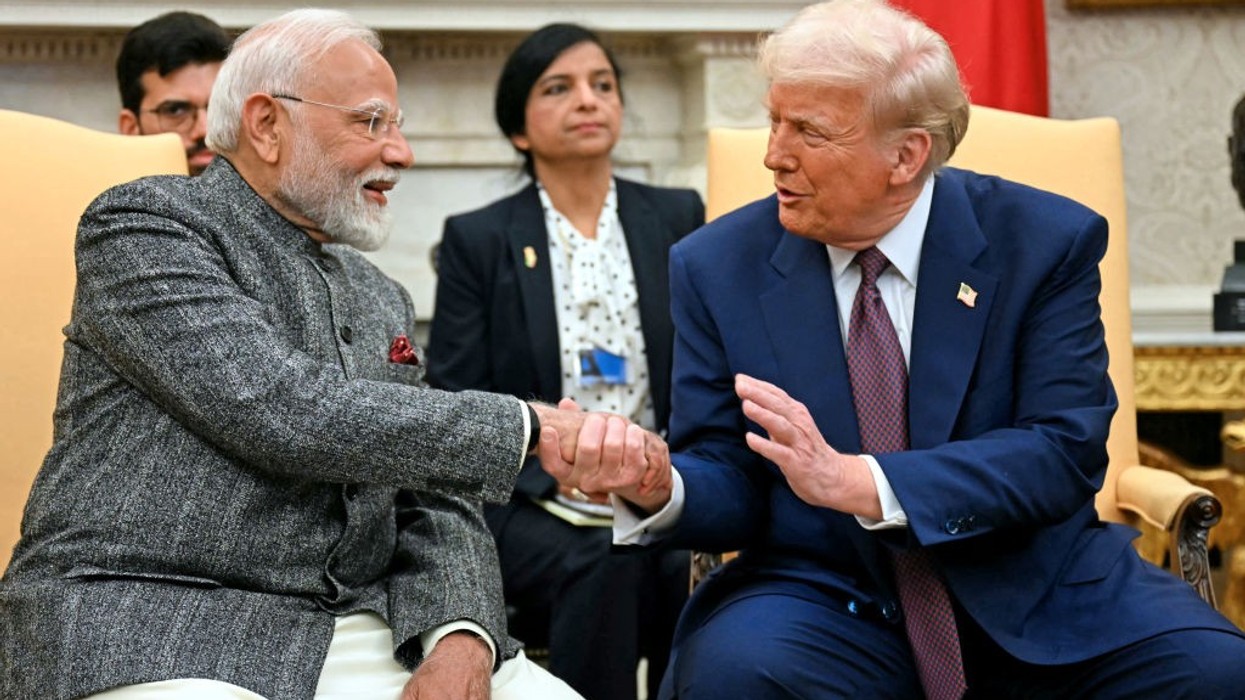
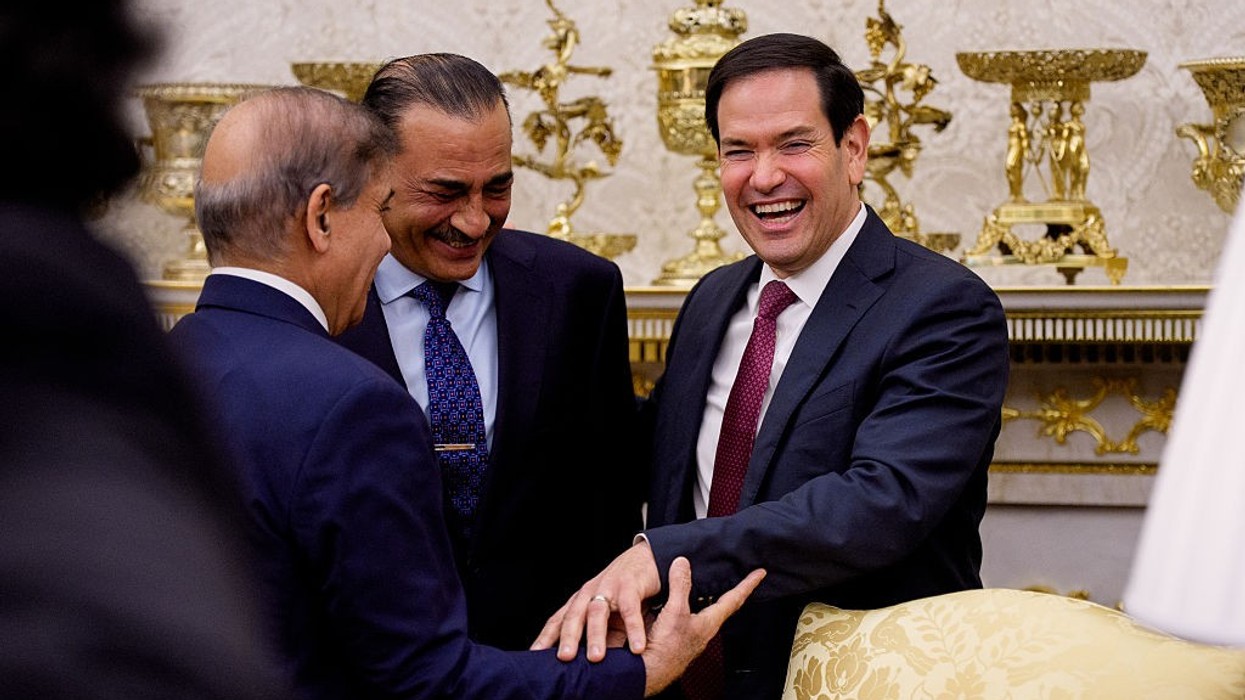
The India-US trade deal, announced on Monday (2), reduces American tariffs on Indian goods to 18 per cent. Pakistan, by contrast, has been placed in a 19 per cent tariff bracket. While the difference may appear marginal, critics in Pakistan say it is symbolically damaging especially given what they describe as intense lobbying efforts by Prime Minister Shehbaz Sharif and Army Chief General Asim Munir in Washington.
Commentators argue that the outcome highlights a deeper diplomatic failure rather than a routine trade setback. Opposition figures from Pakistan Tehreek-e-Insaf (PTI) have contrasted India’s negotiating posture with Pakistan’s approach, claiming New Delhi secured concessions by asserting “strategic autonomy,” while Islamabad relied on personal outreach and appeals.
The backlash has been particularly strong on social media, where critics mocked frequent high-level visits to Washington, likening them to “rickshaw-style shuttling” aimed more at political survival than advancing national interest.
Journalists and analysts have also weighed in. Senior journalist Asad Toor said the tariff result is especially damaging given Pakistan’s broader economic distress. He pointed to falling exports, dwindling foreign investment, and what he described as a complete collapse of the country’s economic leverage.
Strategic analyst and vlogger Moeed Pirzada questioned claims that Pakistan’s leadership could extract concessions through personal rapport with U.S. President Donald Trump.
“We were told that the ‘Field Marshal’ title and the ‘minerals briefcase’ were the keys to Trump’s heart,” Pirzada said. “Yet Modi gets a phone call and an 18 per cent rate after defying the US on Russia, while our leadership gets 19 per cent after doing everything asked of them. This is not diplomacy; it is transactional surrender.”
Journalist Imran Riaz Khan echoed similar criticism, calling the government’s strategy a failure of credibility. He argued that offering economic concessions without leverage could not buy international respect, regardless of how aggressively Pakistan marketed itself.
Khan also claimed the India-US deal went beyond trade, alleging that president Trump agreed to stop referencing the May 2025 India-Pakistan air skirmishes as part of a broader understanding with New Delhi. According to him, the agreement effectively reshaped the narrative in India’s favor, while Pakistan gained little.
Comparisons with India have intensified, with critics saying New Delhi negotiated from a position of strength by prioritizing national interest and mutual economic benefit. Digital creator Wajahat Khan summed up the online mood, suggesting India was treated as a partner while Pakistan was seen as a petitioner.
As economic pressures mount and public frustration grows, analysts warn that the tariff controversy could deepen Pakistan’s internal political divides and raise fresh questions about the credibility, direction, and effectiveness of its foreign and economic policy.