
Highlights:
- India’s batting still revolves heavily around Kohli and Rohit in pressure games
- Kohli’s consistency and chase mastery remain unmatched
- Rohit’s dominance as an opener leaves a massive void at the top
- Young batters show promise but lack long-term reliability
- India must manage transition carefully to avoid a post-legend slump
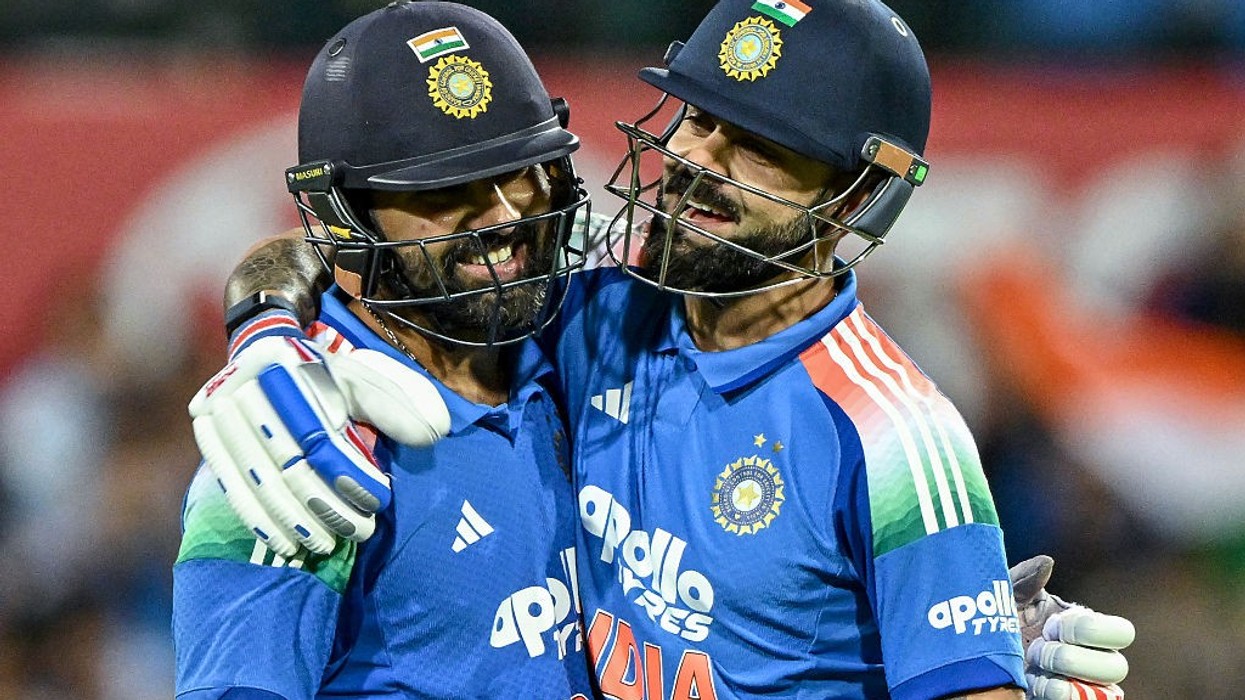
With Virat Kohli and Rohit Sharma nearing the twilight of their international careers, Indian cricket finds itself at a critical crossroads. The recently concluded three-match ODI series against New Zealand once again exposed how deeply the team’s batting fortunes remain tied to its two most experienced stars. While India boasts an impressive pool of young talent, the larger question persists: is the team truly prepared for a future without Kohli and Rohit?
For more than a decade, Virat Kohli has been the backbone of India’s batting lineup across formats. Whether setting a total or chasing under pressure, Kohli has repeatedly delivered when it mattered most. His ability to control high-stakes situations, especially in global tournaments and marquee clashes against Pakistan, has earned him the reputation of being one of the greatest modern-day batters.
Kohli’s consistency is what sets him apart. He has not only scored runs but done so with remarkable regularity, often rescuing India from precarious positions. As he approaches the final years of his career, the concern is not just about replacing his runs, but replacing his mindset, the hunger, composure, and fearlessness that define big-match players.
Several names have emerged as potential successors. Shubman Gill’s elegance, Yashasvi Jaiswal’s aggression, KL Rahul’s versatility, Shreyas Iyer’s middle-order stability, and Abhishek Sharma’s explosive potential all offer hope. However, a promise alone does not guarantee longevity. None has yet demonstrated the decade-long consistency that Kohli has made routine.
Rohit Sharma’s eventual departure presents an equally daunting challenge. One of the most destructive openers in ODI history, Rohit has amassed 11,577 runs in 282 matches, including 33 centuries. His record-breaking individual score of 264 remains unmatched. Beyond numbers, Rohit’s ability to dominate bowlers early and set the tone has been central to India’s white-ball success.
Critics often question India’s opening combinations, but Rohit’s presence has masked many issues. Once he steps away, the spotlight will fall sharply on the next generation. Can they provide explosive starts while also maintaining consistency against top-quality attacks?
History offers a cautionary tale. West Indies cricket, once dominant during the era of legends like Chris Gayle and Kieron Pollard, struggled to sustain success after their exit. India, with its deeper talent pool, is better positioned, but only if the transition is managed wisely.
Ultimately, bidding farewell to Virat Kohli and Rohit Sharma will mark the end of an era. Whether it also signals the beginning of a new, equally successful chapter depends on how quickly and convincingly India’s young batters rise to the occasion.