
Highlights:
- Howard Lutnick says India missed its chance by not acting within a fixed deadline.
- Trump prefers direct leader-to-leader engagement to finalize trade deals, Lutnick claims.
- Southeast Asian countries secured deals after India fell behind schedule.
- India later returned to negotiations but faced less favorable terms.
- Remarks come amid renewed US tariff threats and ongoing bilateral trade talks.
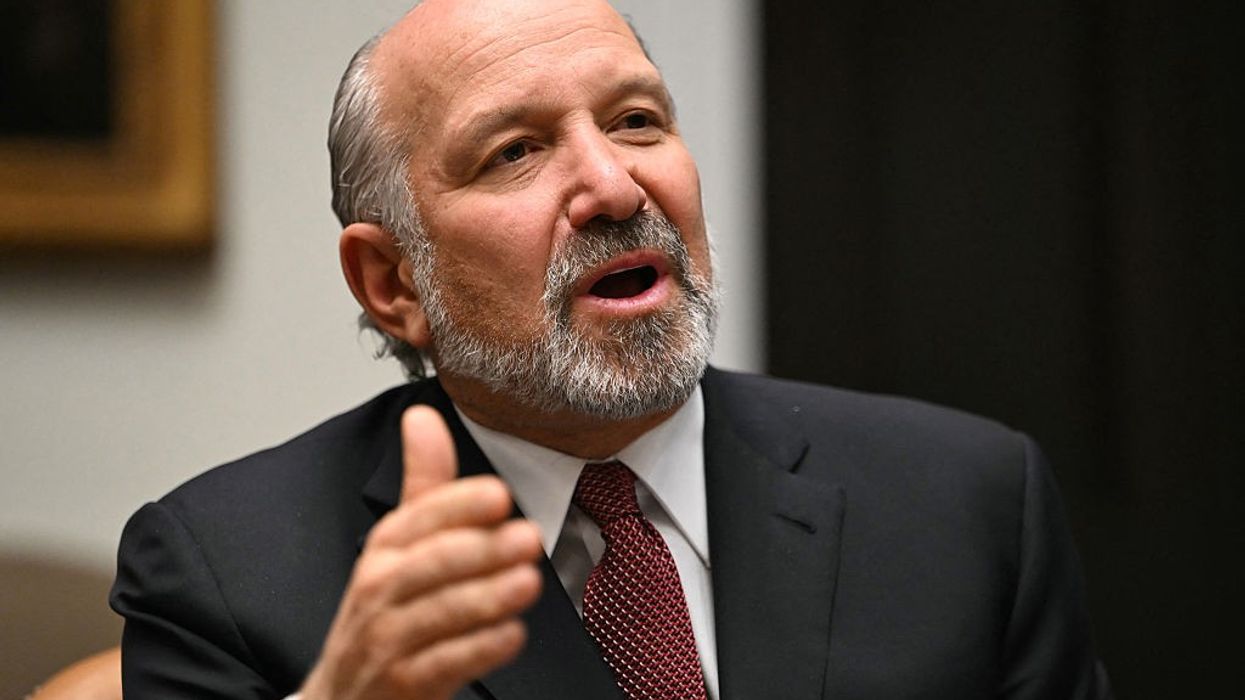
The long-anticipated India-US trade agreement failed to materialize because prime minister Narendra Modi did not personally reach out to former president Donald Trump at a critical moment, according to US Commerce Secretary Howard Lutnick.
Speaking on the All-In Podcast on Thursday (8), Lutnick offered a detailed account of how negotiations with India stalled, even as several other countries successfully concluded trade deals with Washington. He described president Trump’s deal-making approach as competitive and time-bound, rewarding countries that move fastest with the most favorable terms.
Lutnick said the United Kingdom was the first to finalize a trade agreement under this approach, after being given a firm two-week deadline. “The train was leaving the station,” he said, emphasizing that countries that boarded early received better deals. Trump, he explained, views trade agreements as a “staircase,” where the first mover gets the best outcome and latecomers face tougher conditions.
- YouTube youtu.be
After the UK deal, Trump publicly mentioned India several times as a potential next partner. According to Lutnick, negotiations with India were active, and New Delhi was given a clear deadline of “three Fridays” to close the agreement. However, while the technical aspects of the deal were largely in place, the final step required political engagement at the highest level.
Lutnick said he made it clear that Trump expected a direct phone call from prime minister Modi to finalize the agreement. “It’s his deal. He’s the closer,” Lutnick said, explaining that Trump preferred leader-to-leader interaction to seal major agreements. According to Lutnick, India was uncomfortable with that step, and Modi did not make the call.
When the deadline passed, the US moved on. Washington announced trade agreements with Indonesia, the Philippines, and Vietnam, all negotiated at higher tariff rates than what India had previously been offered. Lutnick said US officials had initially assumed India would complete its deal before those countries.
Weeks later, India returned to the table expressing readiness to proceed. By then, however, the opportunity had passed. “Are you ready for the train that left the station three weeks ago?” Lutnick recalled saying, adding that India had ended up “on the wrong side of the seesaw” as other countries moved ahead.
As a result, India now finds itself further back in the queue, facing less favorable terms than those originally negotiated. Lutnick acknowledged that both sides remember the earlier agreement in principle but stressed that circumstances have since changed.
Despite the setback, Lutnick said India would eventually work out a deal, though domestic political complexities and parliamentary approvals often slow the process. His remarks come days after Trump warned that the US could quickly raise tariffs on Indian goods, particularly over India’s continued purchases of Russian oil.
The comments also come amid ongoing negotiations between the two countries. Six rounds of talks have already been held toward a bilateral trade agreement, including a framework to address the 50 percent tariffs imposed on Indian exports to the US.