
Highlights:
- Reports claimed Mojtaba Khamenei was selected by Iran’s Assembly of Experts.
- Iranian officials denied the reports, calling them unofficial and unfounded.
- Ayatollah Ali Khamenei was killed in US-Israeli strikes on February 28.
- An interim three-member Leadership Council is currently governing.
- Regional tensions have escalated sharply following the attack.
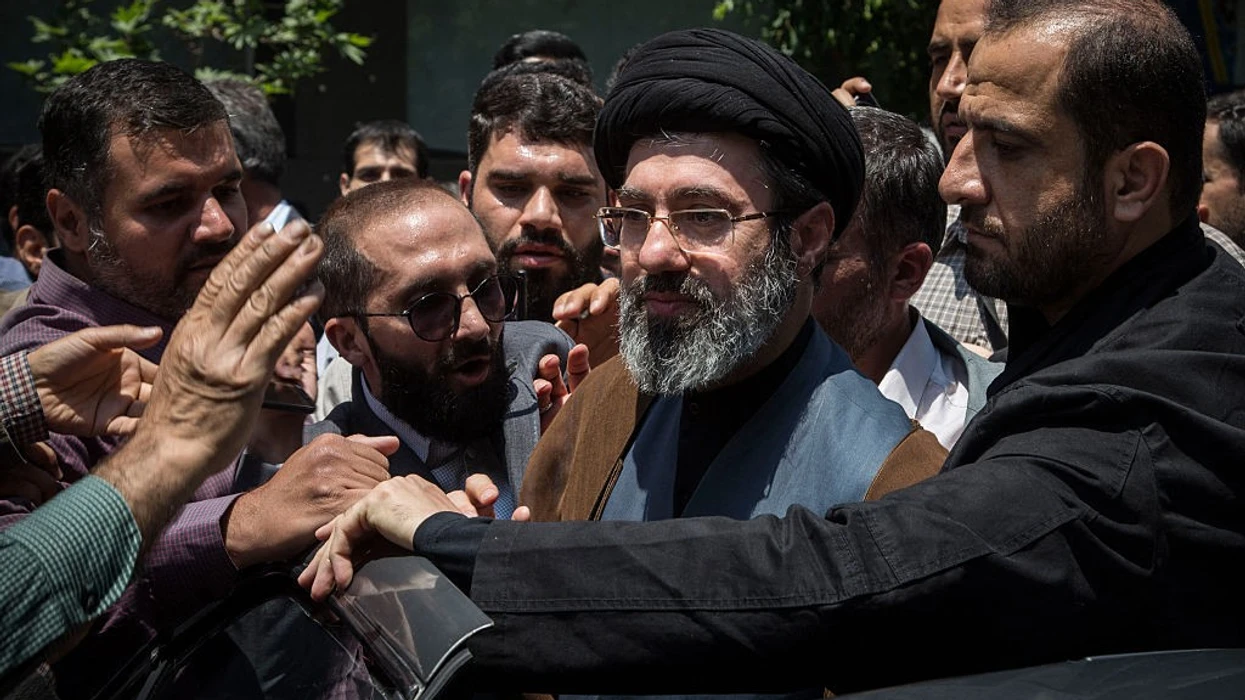
Reports circulating in international media on Wednesday (4) claimed that Mojtaba Khamenei, the son of Ali Khamenei, had been chosen as Iran’s next Supreme Leader following his father’s death in joint US-Israeli airstrikes. However, Iranian authorities have strongly denied the claims, stating that no official decision has been announced.
According to the reports, Mojtaba was allegedly selected by Iran’s Assembly of Experts, the powerful clerical body responsible for appointing the country’s Supreme Leader. Israeli media outlets were among the first to carry the claim, suggesting that a succession decision had already been finalized.
But Iran’s government swiftly rejected the reports. In a statement posted on X (formerly Twitter) by the Consulate General of the Islamic Republic of Iran in Mumbai, officials said that media reports regarding potential leadership candidates “have no official source and are officially denied.” The statement emphasized that any information circulating about a confirmed successor is inaccurate.
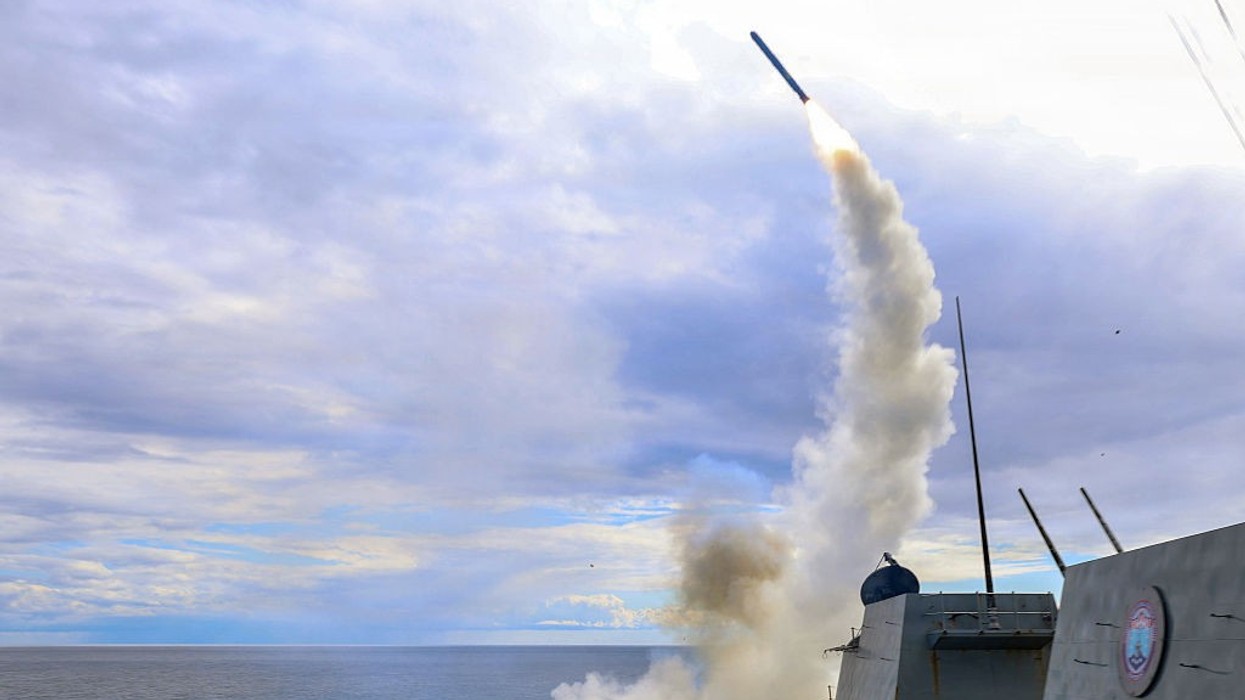
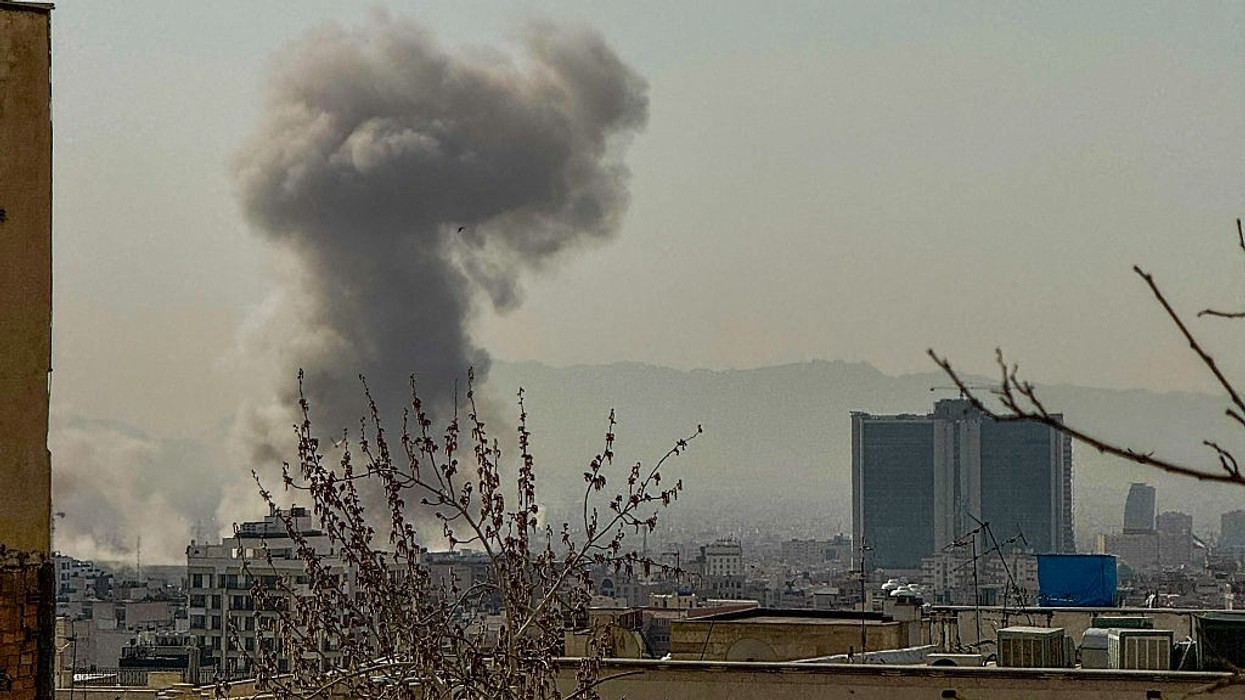
Ayatollah Khamenei, who led Iran for 36 years, was killed on February 28 during coordinated US-Israeli strikes reportedly targeting key strategic locations. The military operation, named Operation Epic Fury, followed stalled nuclear negotiations and accusations that Tehran had resumed sensitive nuclear activities.
The strikes reportedly targeted multiple Iranian cities, including the capital, Tehran. More than 700 people were said to have been killed in the attacks. Iranian state-affiliated sources reported that several members of Khamenei’s family were also killed in the strike, including his daughter, son-in-law, and granddaughter. His wife, Mansoureh Khojasteh Bagherzadeh, later died from injuries sustained in the attack.
In the immediate aftermath of the Supreme Leader’s death, a temporary governing body assumed his responsibilities. The interim Leadership Council consists of Ayatollah Alireza Arafi, President Masoud Pezeshkian, and Chief Justice Gholamhossein Mohseni Ejei. This council is expected to oversee affairs until a permanent successor is officially selected.
Meanwhile, regional tensions have escalated dramatically. Within hours of the initial strikes, Iran launched retaliatory missile attacks targeting Gulf locations, including Dubai, Abu Dhabi, Qatar, and Bahrain. Drone and missile strikes also reportedly hit oil facilities and US diplomatic sites in the region.
US President Donald Trump warned that it was “too late” for Iran to return to negotiations to avoid further conflict. As the confrontation intensified, Israel expanded military operations in Lebanon against Hezbollah, the Iran-backed militant group that entered the conflict.
By Tuesday, the conflict had entered its fourth day. A drone strike caused a fire at the US consulate in Dubai, though US Secretary of State Marco Rubio confirmed that all personnel were safe.
Despite widespread speculation, Iranian authorities maintain that no official successor to Ayatollah Khamenei has been named. For now, the country remains under interim leadership as the region watches closely for further developments.