
Highlights:
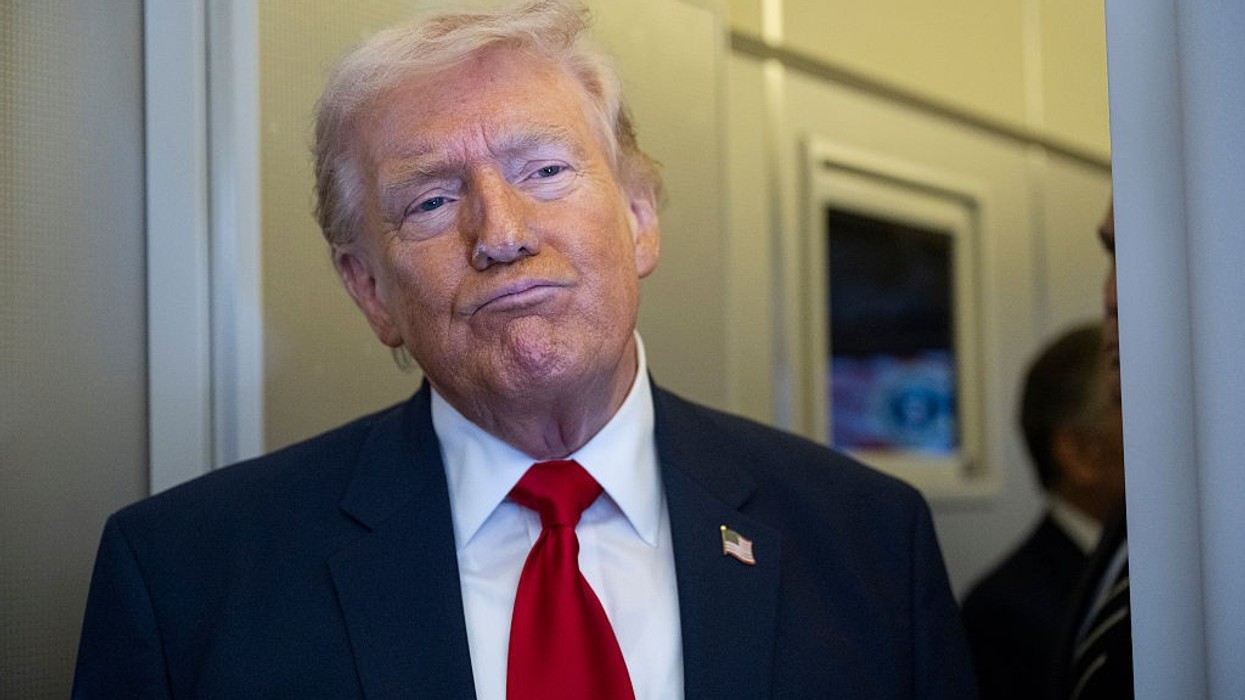
Iran launched a new wave of attacks across the Gulf on Tuesday (17), targeting key infrastructure and US-aligned nations, deepening a conflict that has already entered its third week. The escalation comes despite claims by Donald Trump that strikes on America’s regional allies were not anticipated, an assertion contradicted by officials familiar with prior intelligence briefings.
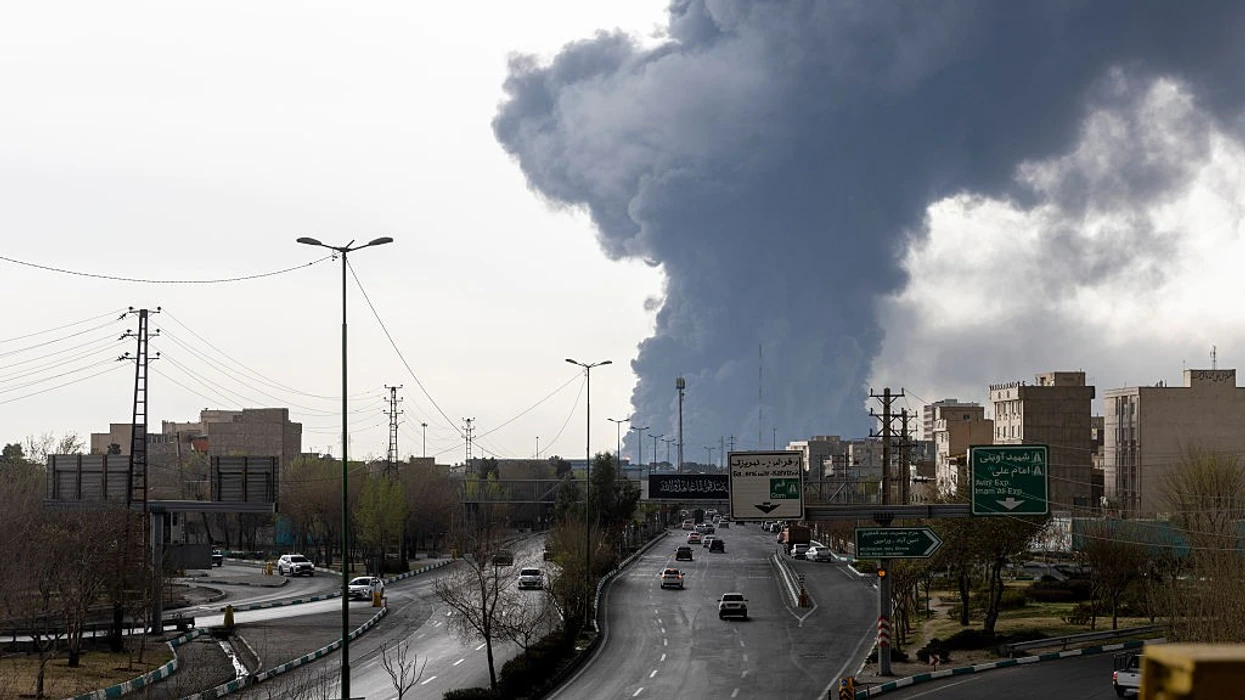
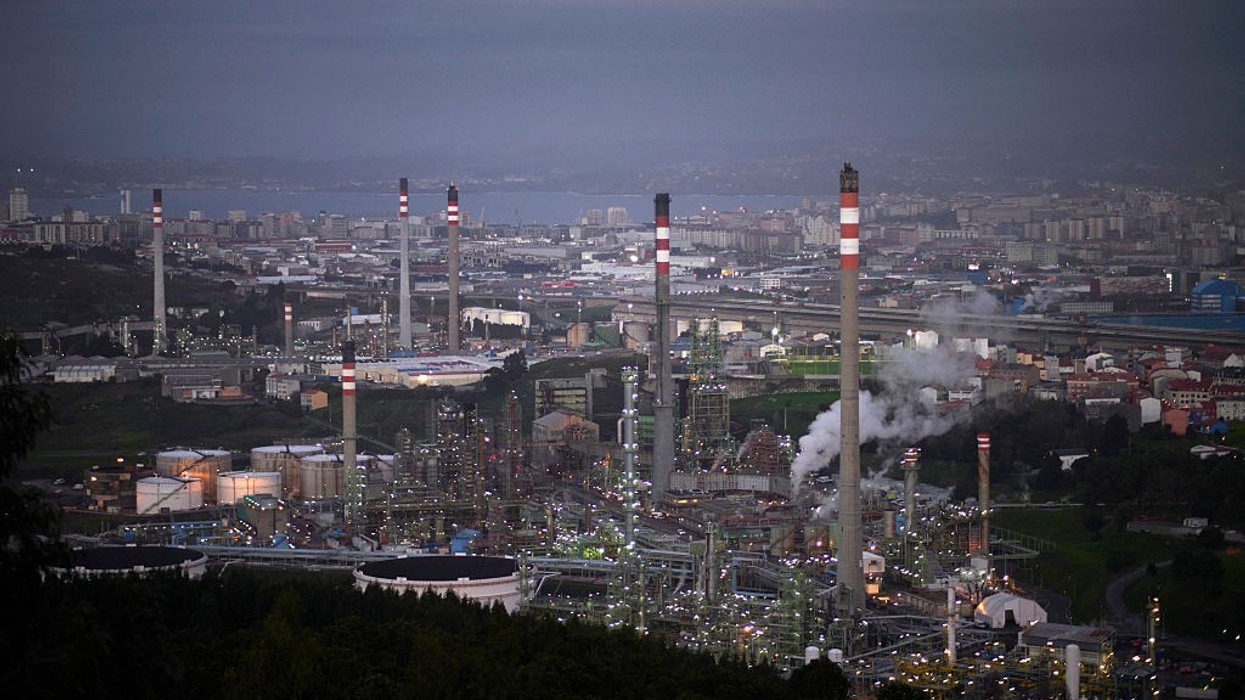
Missile and drone attacks struck the United Arab Emirates, including critical oil and transport facilities. A drone hit an oil installation in Fujairah, a vital export hub, while debris from an intercepted missile killed one civilian in Abu Dhabi. Fires were also reported at the Shah gas field, further threatening energy infrastructure in the region.
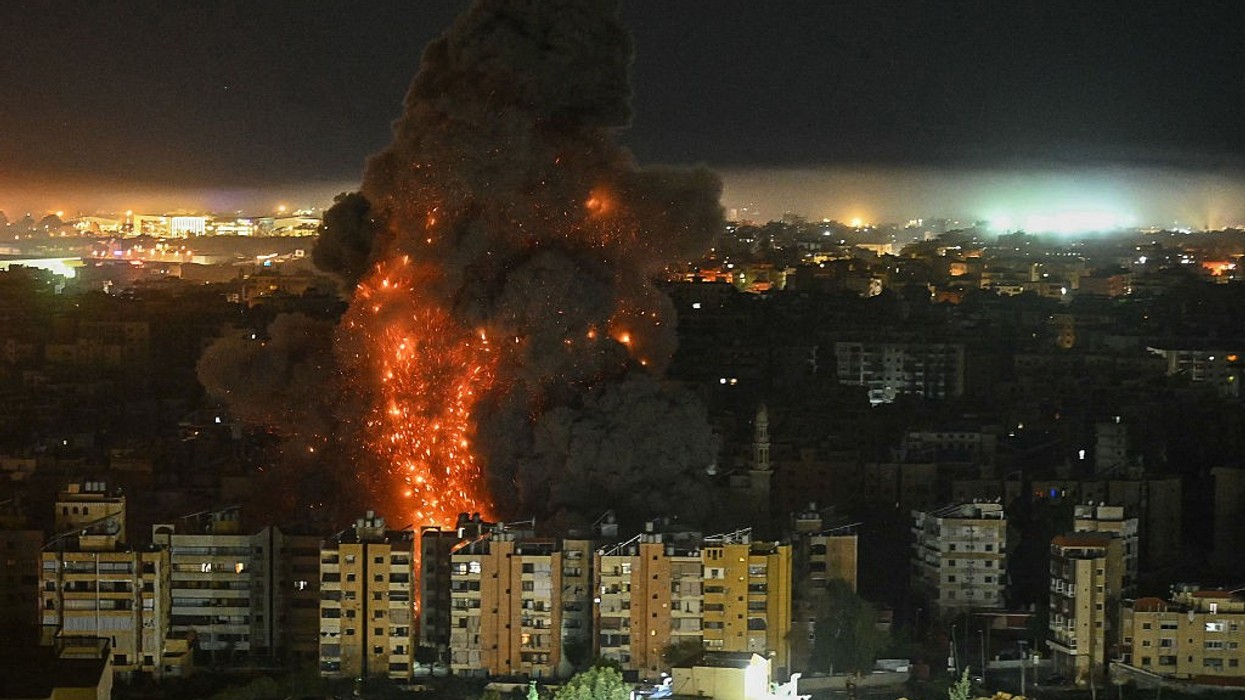
The conflict, involving the United States, Israel, and Iran, has already resulted in over 2,000 deaths. Iran also fired missiles toward Israel overnight, signaling it retains long-range strike capability despite sustained bombardment. In response, Israeli forces launched fresh attacks on targets in Tehran and Hezbollah-linked sites in Beirut, indicating preparations for an extended military campaign.
Meanwhile, tensions spread beyond direct battle zones. In Baghdad, rockets and drones targeted the U.S. embassy in one of the most intense assaults since the war began. No casualties were reported, but the attack underscored the growing regional volatility.
Despite Trump’s remarks expressing surprise, multiple sources indicated that U.S. intelligence had clearly warned that any direct strikes on Iran could provoke retaliation against Gulf allies such as Saudi Arabia, Qatar, Bahrain, and Kuwait. Officials also cautioned that Iran might attempt to disrupt the Strait of Hormuz—a critical chokepoint for global oil shipments.
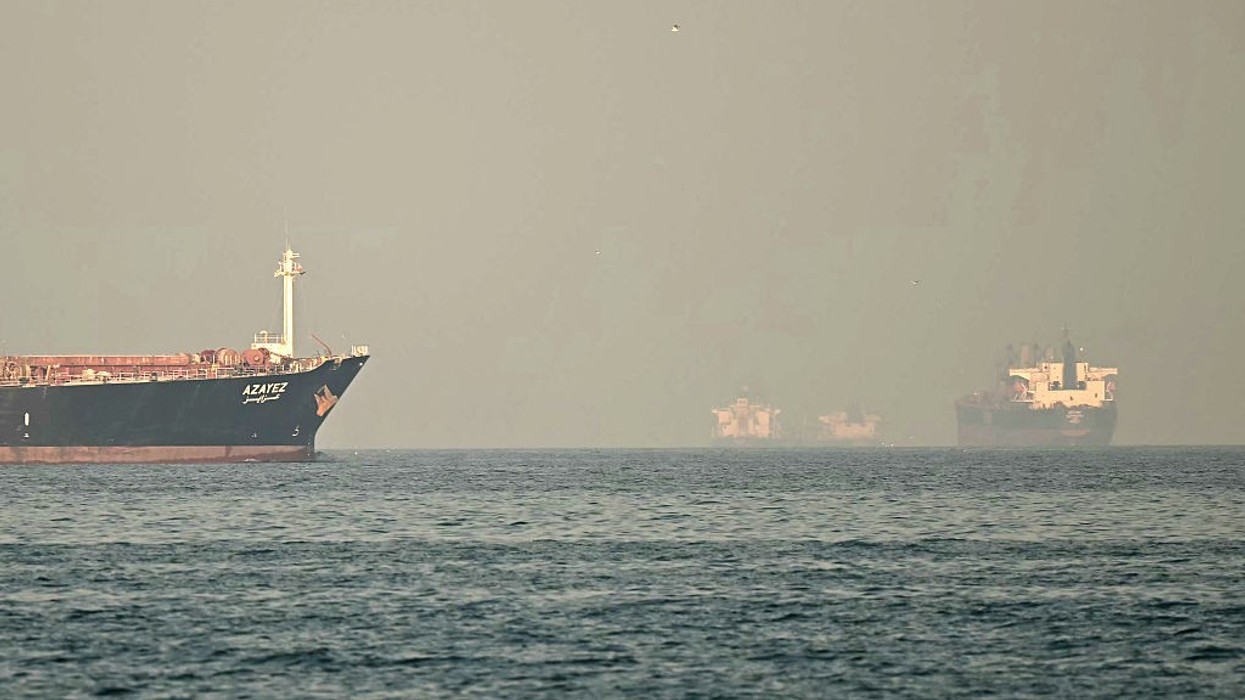
That warning has now materialized. The Strait of Hormuz remains largely closed due to Iranian naval mines and drone threats, halting a significant portion of global energy trade. Roughly 20% of the world’s oil and liquefied natural gas passes through the corridor, making its disruption a major concern for international markets.
Efforts by Washington to form a multinational naval coalition to secure the waterway have so far failed. Key allies, including Germany, Japan, and Australia, have declined to commit forces, citing legal, political, or strategic concerns. This lack of coordination has frustrated the White House, which has urged greater burden-sharing among partners.
The economic consequences are already unfolding. Oil prices surged more than 5%, intensifying fears of inflation and slower global growth. Policymakers are increasingly concerned about a potential stagflation scenario, where rising costs coincide with weakened economic activity.
Iranian officials, however, dismissed suggestions that their military capacity is diminishing. Leaders in Tehran claim their strike capabilities are improving in accuracy and effectiveness, signaling readiness for a prolonged confrontation.
As diplomatic efforts stall and military actions intensify, the conflict shows little sign of de-escalation, raising the risk of a broader regional war with global economic repercussions.