
Highlights:
- Iran will play in the 2026 World Cup but refuses US travel
- All its group-stage matches are currently scheduled in the US
- FIFA rejected Iran’s request to move matches to Mexico
- Tensions linked to remarks by President Donald Trump
- Iran continues preparations with friendlies in Turkey
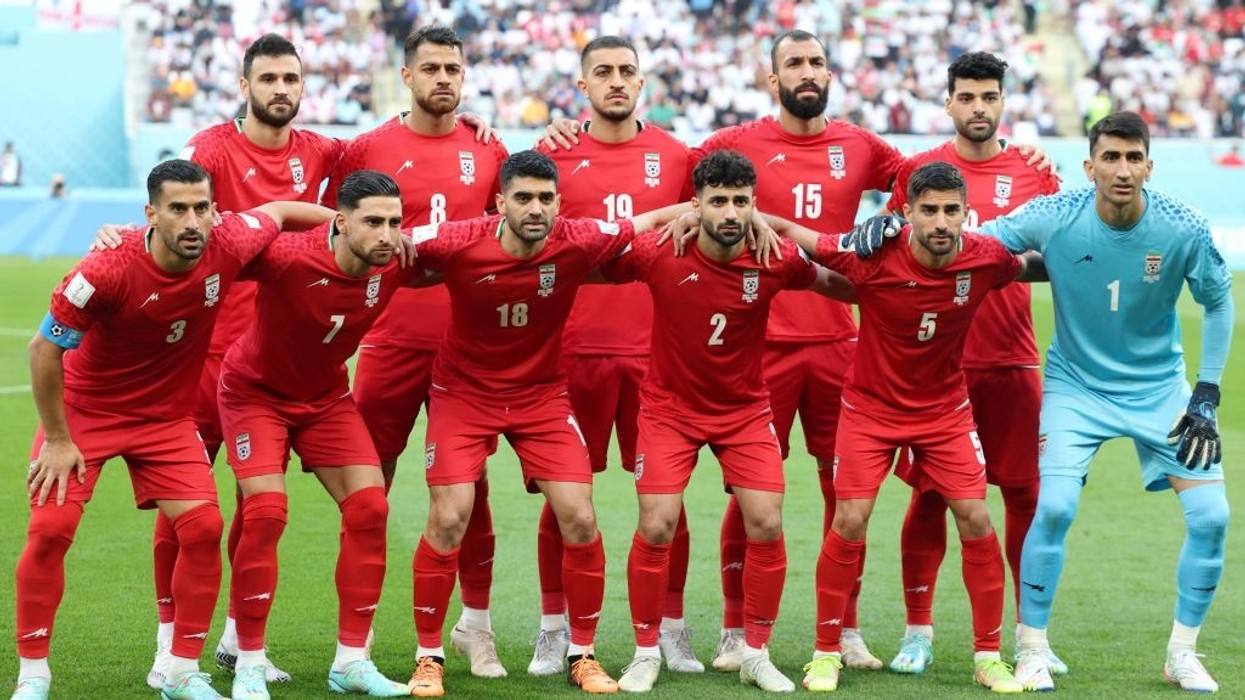
Iran’s national football team has stepped back from its earlier threat to boycott the FIFA World Cup 2026, but the situation surrounding its participation remains complicated. The team has made it clear that while it intends to compete in the tournament, it will not travel to the United States under the current circumstances.
Iran was among the first nations to secure qualification for the 2026 World Cup, which is scheduled to take place from June 11 to July 19 across the United States, Mexico, and Canada. However, rising political tensions between Iran and the United States since late February have cast a shadow over its participation.
Speaking on the issue, Iranian football federation president Mehdi Taj confirmed that the team would continue preparations for the tournament but reiterated its refusal to play matches on US soil. “We will boycott America, but we will not boycott the World Cup,” he stated, underlining Iran’s attempt to balance participation with political concerns.
As part of their preparations, Iran is currently holding a training camp in Turkey. The team is also scheduled to play two friendly matches—against Nigeria on March 27 and Costa Rica four days later, in Antalya. These matches are part of a four-nation invitational tournament that was relocated from Jordan due to ongoing regional instability.
A major point of contention has been the scheduling of Iran’s group-stage matches, all of which are currently set to take place in the United States. In response, the Football Federation Islamic Republic of Iran approached FIFA with a request to move these fixtures to Mexico.
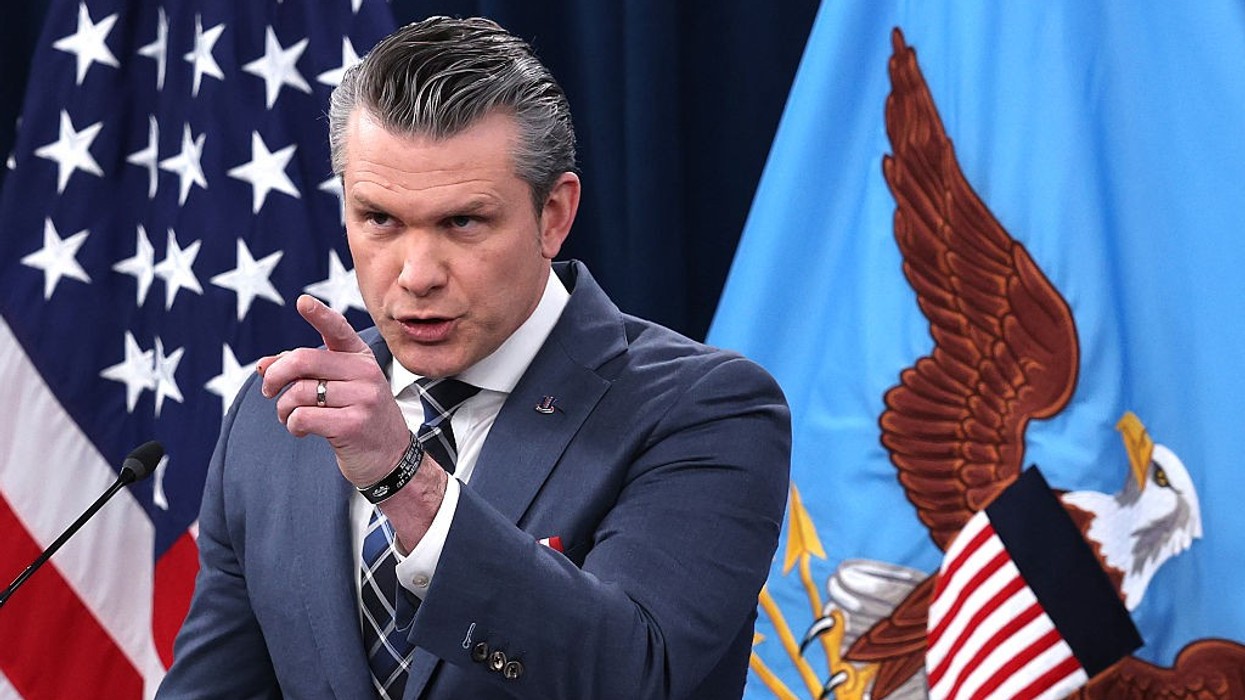
The request was influenced in part by comments from US President Donald Trump, who suggested that while Iranian players would be allowed entry into the United States, there could be concerns regarding their safety. Although Trump later clarified that players would not be barred, Iranian officials cited the remarks as justification for seeking a venue change.
Mexico’s President Claudia Sheinbaum indicated that her country would be open to hosting Iran’s matches if needed. Despite this, FIFA quickly rejected the proposal, stating that it expects all teams to compete according to the official match schedule announced in December 2025.
In its statement, FIFA emphasized that it remains in regular communication with all participating nations, including Iran, and is focused on ensuring the tournament proceeds as planned. The governing body expressed confidence that all teams would fulfill their fixtures without alterations to the schedule.
This leaves Iran in a challenging position. While it remains committed to competing in the World Cup, its refusal to travel to the United States creates uncertainty over how the situation will ultimately be resolved. With no changes to the official schedule and the tournament fast approaching, the issue could escalate further if no compromise is reached.