
Highlights:
- Boman Irani’s satire on Trump and Iran goes viral
- Mandana Karimi criticizes him for speaking “too late”
- Debate centers on Parsi roots linked to Iran
- Video mixes humor with geopolitics and gas crisis references
- Raises questions about celebrity responsibility in global conflicts
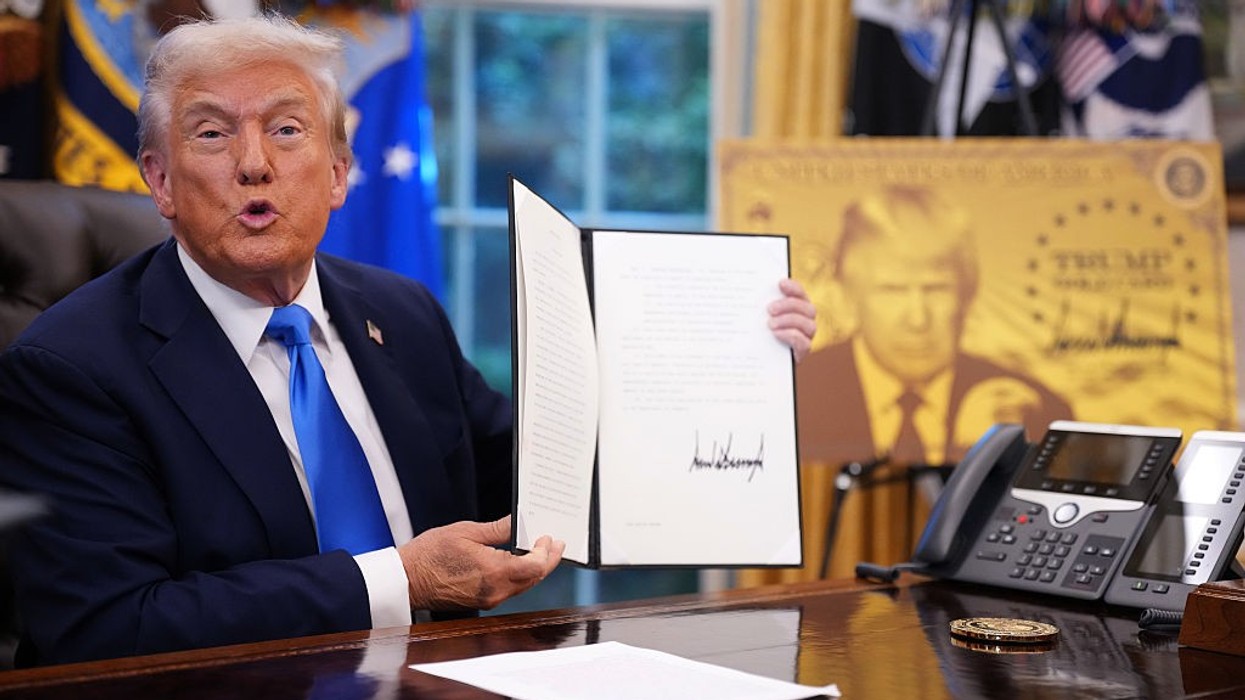
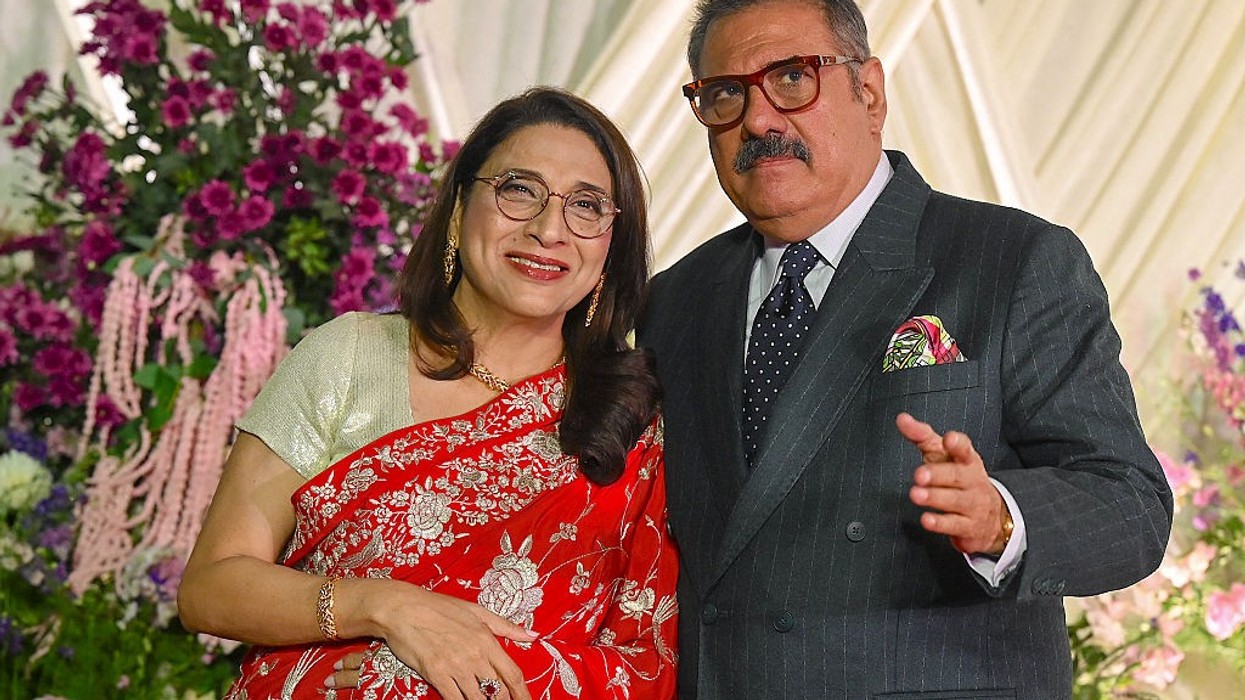
A satirical video by Boman Irani has triggered a broader debate about cultural identity, timing, and public responsibility, particularly in relation to Iran and its ongoing geopolitical tensions. Known for his wit and comic timing, the actor recently shared a humorous take involving Donald Trump, joking about being invited to mediate peace talks with Iran alongside fellow “Iranis.”
In the video, Irani playfully suggests hosting Trump at his home in Mumbai, offering traditional Parsi dishes such as dhansak and custard, while joking about the need for a gas cylinder amid rising concerns over fuel shortages. The video quickly gained traction on social media, with many praising its humor and lighthearted tone.
However, the satire also drew criticism, particularly from Mandana Karimi, who questioned the timing of Irani’s comments. She argued that while the actor is now engaging with issues related to Iran through humor, there had been silence from prominent voices during years of reported unrest and hardship faced by Iranians.
The criticism has brought renewed attention to the historical and cultural roots of the Parsi community, to which Irani belongs. Parsis are descendants of Zoroastrians who migrated from ancient Persia, modern-day Iran, to India centuries ago to escape religious persecution. Despite being fully integrated into Indian society, many Parsis maintain a symbolic and cultural connection to their Iranian heritage.
This connection became central to the debate, as critics argued that individuals with such lineage carry a certain moral responsibility to speak out on issues affecting Iran. Supporters, however, defended Irani, stating that satire is a legitimate form of expression and not every public figure is obligated to engage in political advocacy.
The controversy highlights the complex intersection of identity, history, and modern geopolitics. For someone like Irani, whose surname itself reflects ancestral ties to Iran, the expectations from audiences may extend beyond entertainment into areas of cultural representation and awareness.
At the same time, the incident underscores the evolving role of celebrities in global conversations. In an age where social media amplifies every statement, even satire can be interpreted through multiple lenses—humor for some, insensitivity or delayed engagement for others.
While Irani has not publicly responded to the criticism, the discussion continues to unfold online, with divided opinions. Some view the video as harmless satire during tense times, while others see it as a missed opportunity to address serious issues more directly.
Ultimately, the episode raises a larger question: should cultural heritage influence when and how public figures speak on global conflicts, or should creative expression remain independent of such expectations?