
Highlights
- Rekhi expresses concern over increasing hostility toward Indians in the US
- Policymakers accused of mischaracterizing Indian immigration practices
- Indian Americans play a major role in US entrepreneurship and leadership
- H-1B visas, Rekhi says, helped build America’s tech dominance
- Strong US–India collaboration seen as vital to counter China and authoritarianism
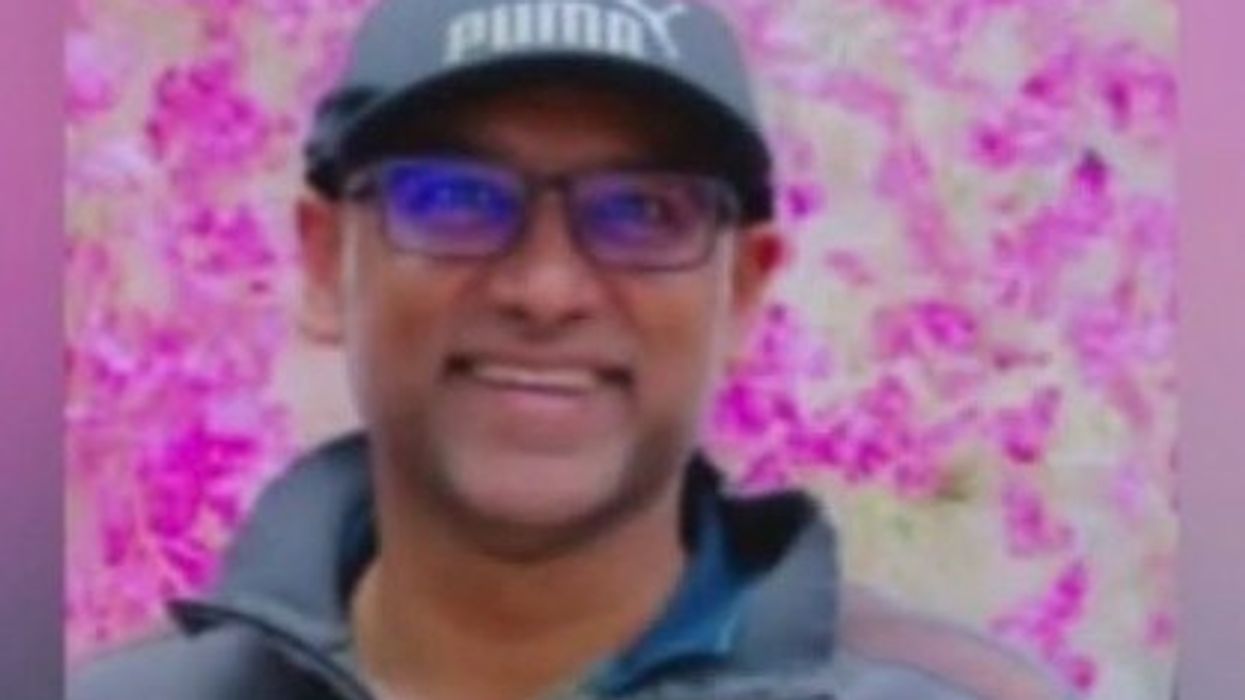
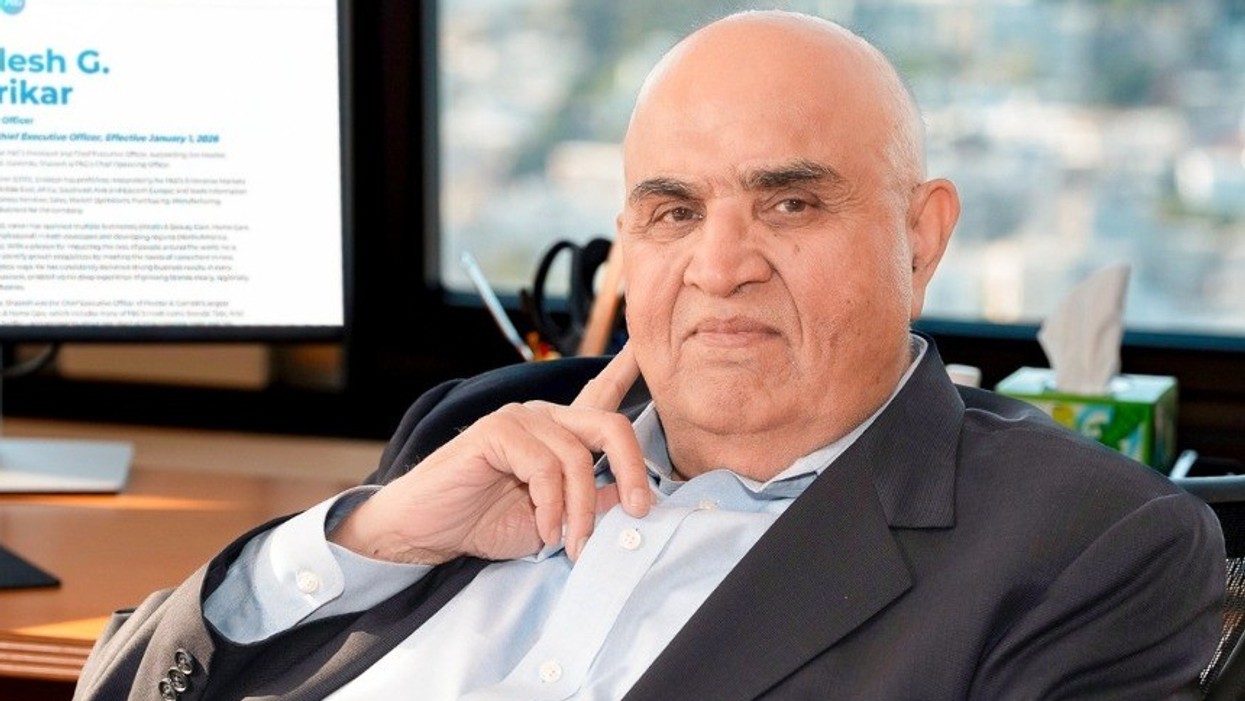
Indian-American businessman and investor Kanwal Singh Rekhi, the first Indian American to take a company public in Silicon Valley, has voiced deep concern about the future of immigrants in the United States amid what he describes as a growingly divisive atmosphere.
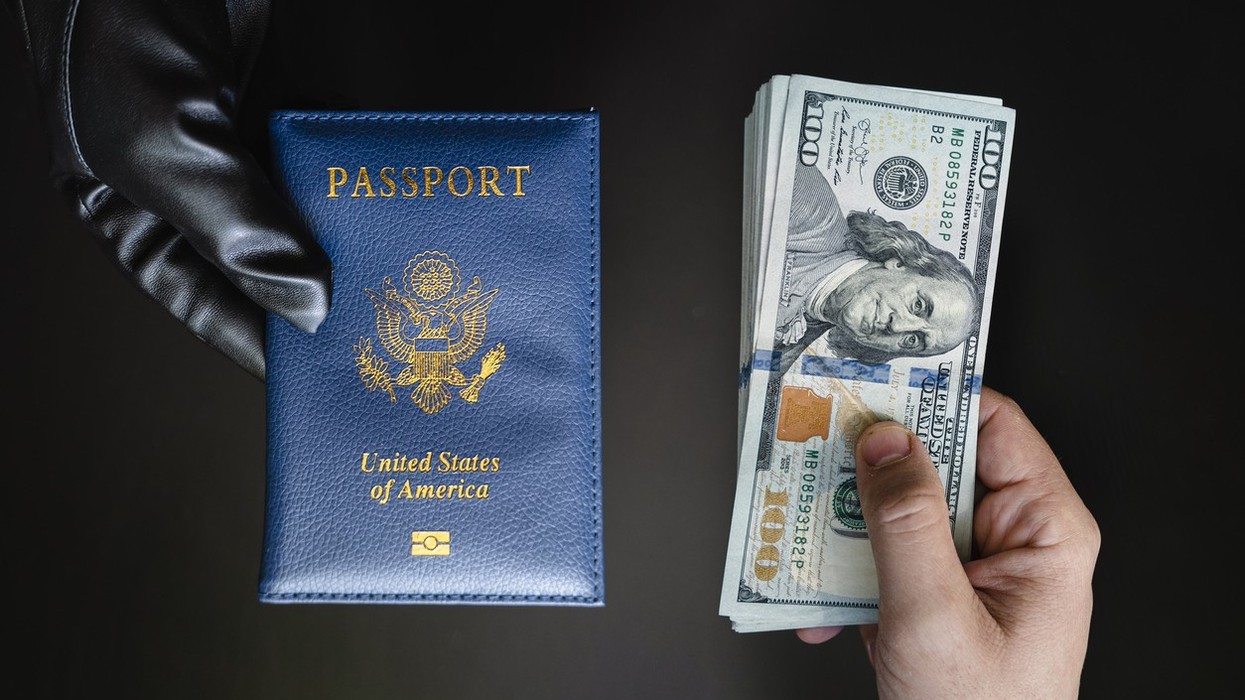
Rekhi said rhetoric targeting Indians has intensified in recent years, with policymakers accusing them of gaming immigration rules and making it increasingly difficult for Indians to obtain visas. According to him, the broader message being sent is deeply troubling. “The overall messaging is that Indians are not welcome in the US,” Rekhi said, noting that the environment he encountered when he first arrived in America was vastly different.
Tracing the history of Indian migration to the United States, Rekhi explained that America’s openness to Indian talent was driven by necessity, not charity. In the 1960s, the US was struggling to produce enough scientists and engineers and was falling behind the Soviet Union in the race for technological supremacy.
“So in 1967, with barely enough money to last a semester, I traveled from rural India to Michigan’s Upper Peninsula to pursue a master’s degree in engineering. When we beat the Soviets to the moon, the fate of India and the US became inextricably linked,” Rekhi wrote in an opinion piece for the San Francisco Chronicle.
After beginning his career in the defense industry, Rekhi went on to found Excelan, a startup that built ethernet boards that became foundational to the early internet. The company’s success made him the first Indian American to take a firm public in Silicon Valley. At its peak, Excelan employed nearly 1,000 people before being acquired, transforming the lives of employees and their families. Rekhi later became a prolific investor, backing more than 100 startups that collectively created tens of thousands of jobs and added billions of dollars to the US economy.
Rekhi noted that immigrants are often more inclined to start businesses because they lack safety nets and must rely on resilience and innovation to survive.
“When I founded my company in the early 1980s, Indian American entrepreneurs were rare. Today, we are everywhere,” he wrote. He pointed out that about a quarter of Silicon Valley startups involve Indian Americans as founders, investors, or board members. Despite making up roughly 1.6 per cent of the US population, Indian Americans account for over 10 per cent of CEOs, physicians, and professors.
Addressing criticism around H-1B visas, Rekhi acknowledged that Indians receive a large share of them, but emphasized that American technological leadership was built through collaboration with foreign talent. He warned that reversing this model would hurt both nations.
“India just became the fourth-largest economy in the world, and it will likely become the third-largest by 2030,” Rekhi added, stressing that closer cooperation between the world’s oldest and largest democracies is essential to stay ahead of China and counter the global rise of authoritarianism.