
Highlights
- Actor, writer, and director Sreenivasan dies at 69 in Kochi, India
- Known for redefining comedy with layered, deeply human characters
- Leaves behind an unmatched body of work spanning five decades
A towering presence beyond appearances
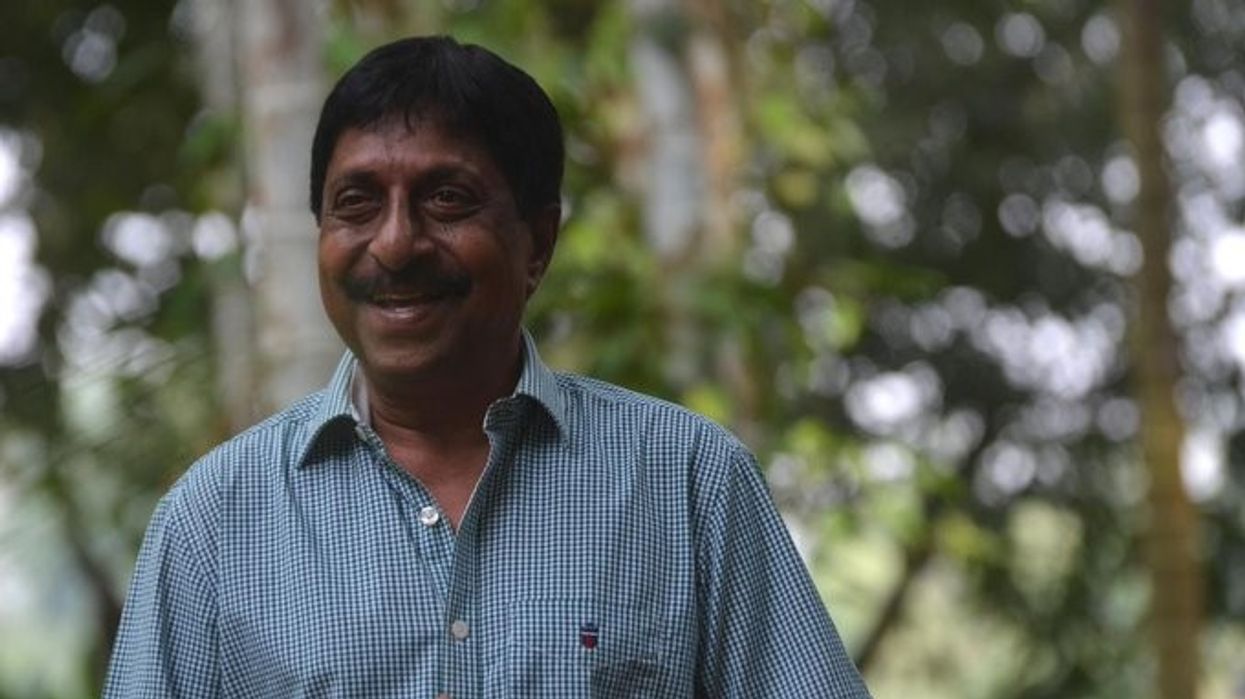
Malayalam cinema loses one of its most distinctive voices as actor, director, and screenwriter Sreenivasan passes away at 69. He passed away on Saturday, December 20, at the Ernakulam taluk hospital in Kochi, in the southern Indian state of Kerala. Though never fitting conventional ideas of a screen hero, Sreenivasan’s influence on film culture remains towering.
Born in Patyam near Thalassery in Kerala’s Kannur district, India, Sreenivasan moved to Chennai, India, to study cinema before carving out a career that reshaped Malayalam storytelling.
Reinventing comedy through vulnerability
Often described as a comedian, Sreenivasan consistently defies the label. His performances move seamlessly between humor and quiet despair, sometimes within the same film. In Vadakku Nokki Yanthram, which he also writes and directs, he plays Dineshan, a man consumed by insecurity about his appearance.
What begins as lighthearted comedy gradually darkens as jealousy and obsession take hold. Rather than resorting to easy jokes about physicality, Sreenivasan exposes emotional fragility with restraint, allowing the character to retain dignity even as he unravels.
Flawed men, rendered believable
In Ponmuttayidunna Thaaravu, Sreenivasan portrays Bhaskaran, a working-class man abandoned by his lover. While the character invites sympathy, the performance slowly reveals moral complexity beneath the surface. The balance is delicate; any excess risks caricature, but Sreenivasan grounds the role in realism, making Bhaskaran flawed, relatable, and human.
Even as a supporting actor, he avoids predictability. He plays a pompous, duplicitous friend in Mukundetta Sumitra Villikunnu, a jealous and conflicted companion in Nadodikaatu and its sequels, and a loyal employee who elopes with his employer’s sister in Midhunam.
Emotion without spectacle
One of his most affecting performances comes in Kadha Parayumbol, which he also co-produces. As Balan, a village barber in Kerala, India, whose childhood friend becomes a major film star, Sreenivasan draws on the Krishna–Kuchela legend from Indian mythology.
Balan’s hesitation, humility, and emotional restraint form the heart of the film. The unlikely friendship moves audiences across India, earning praise from film stars such as Shah Rukh Khan and Rajinikanth.
Fearless choices across genres
Sreenivasan refuses to confine himself to familiar territory. He embraces experimental projects like Passenger and anthology films such as Kerala Cafe. Even brief appearances—such as the comrade doctor in Sakhavu—leave a lasting impact.
He also explores darker characters, including a morally disturbing role in Killichundan Maambazham and Moosa, a spy serving a brutal British jailor in Kaalapani, set during India’s colonial period.
Writing that mirrors society
As a screenwriter, Sreenivasan displays sharp insight into everyday behavior and political hypocrisy. Sandesham, directed by Sathyan Anthikkad, remains one of Malayalam cinema’s most incisive political satires.
The film examines the rivalry of two major political parties in Kerala through two brothers aligned with opposing ideologies, turning a household into a microcosm of public life.
Thalayana Manthram, another comedy he writes, explores domestic power struggles and rivalry, with Urvashi delivering one of her most acclaimed performances.
Centering women without didacticism
In Chinthavishtiyaaya Shyamala, which he directs, Sreenivasan critiques male escapism through Vijayan, a man who abandons responsibility under the guise of a spiritual quest. While Vijayan embodies a familiar social failure, the film gives equal weight to Shyamala, his wife.
Shyamala takes charge of the family with quiet resilience, and the narrative allows her dignity and self-respect to stand alongside the critique of her husband. The film questions the misuse of religion in Indian society without sermonizing.
A public voice beyond cinema
Over time, Sreenivasan became a public figure whose views on social and political issues resonate across Kerala and other parts of India. In a state where cinema and politics often intersect, his opinions attract both attention and controversy.
Despite criticism over certain remarks, public affection for him endures, rooted in the honesty and fearlessness of his work.
An irreplaceable loss
Most of Sreenivasan’s films rely neither on spectacle nor scale. Made within the modest traditions of Malayalam cinema, they endure because of sharp writing, close observation, and emotional truth.
He may not have been a giant in physical presence, but the stature of his art is immeasurable. Kerala, and Indian cinema more broadly, will feel his absence for years to come.
He leaves behind a body of work that continues to shape Malayalam cinema. Sreenivasan rests in peace.