
Highlights:
- Boong won Best Children’s and Family Film at the 79th BAFTA Awards.
- It is the first Indian film to win in this category.
- Directed by Lakshmipriya Devi, the film is in the Manipuri language.
- It beat major studio films, including Zootopia 2 and Lilo & Stitch.
- The win marks a milestone for regional Indian cinema on the global stage.
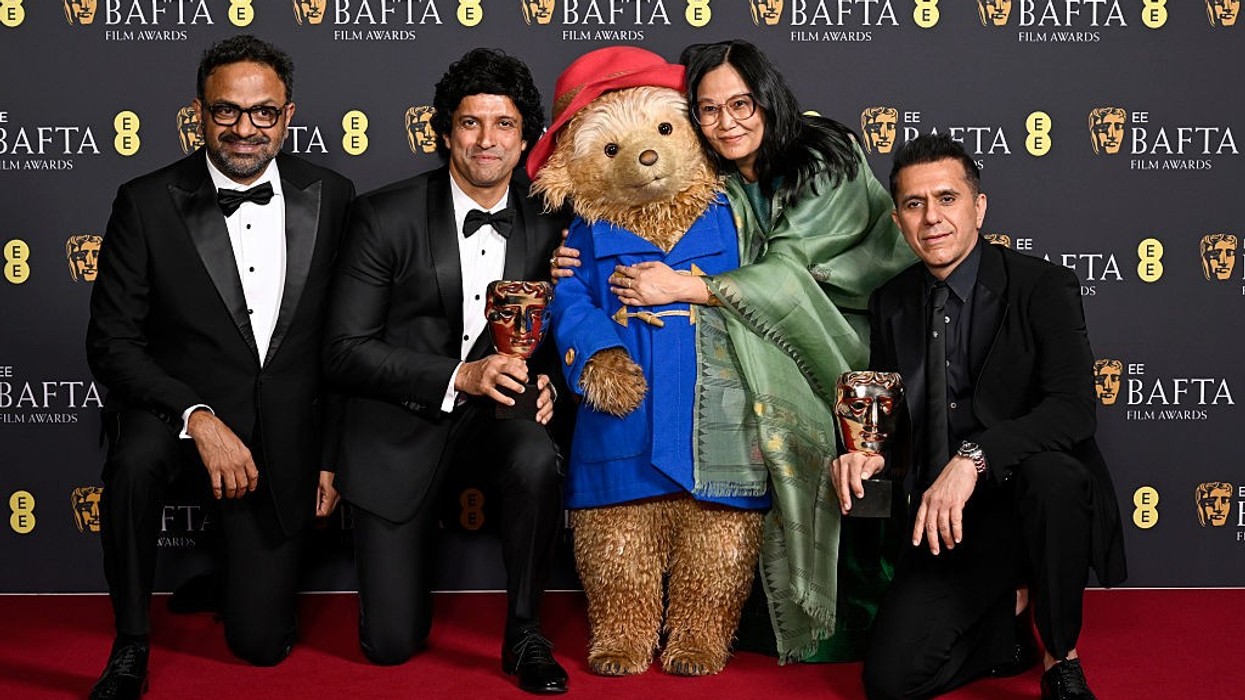
When the 79th British Academy of Film and Television Arts (BAFTA) Awards opened at London’s Royal Festival Hall on February 22, few expected a small film from India’s northeast to take home a major prize. But Boong did just that, winning Best Children’s and Family Film and making history for Indian cinema.
Directed by Lakshmipriya Devi, the Manipuri-language debut feature became the first Indian film to win in this category. The award was presented during a ceremony at the Royal Festival Hall, with even Paddington Bear making a costumed appearance on stage.
Boong, which means “little boy” in Manipuri, tells the story of a young boy searching for his missing father. The lead role is played by first-time child actor Gugun Kipgen. In the film, the boy believes that bringing his long-absent father home is the greatest gift he can give his mother. His journey takes him from the Manipur Valley to Moreh, a border town between India and Myanmar, and eventually across the border itself.
Instead of a simple reunion, the boy’s journey becomes a deeper coming-of-age story. He discovers not only hard truths about his father but also a clearer understanding of identity, belonging, and resilience in a region shaped by social and political tensions.
The film faced stiff competition. Among the nominees were major studio productions including Zootopia 2, the live-action Lilo & Stitch, and the French animated feature Arco. Unlike those global releases, Boong had no massive marketing campaign or studio backing. Its strength lay in its emotional honesty and culturally rooted storytelling.
The film was supported by Indian actor-producer Farhan Akhtar and Ritesh Sidhwani. Before its BAFTA win, it had already gained attention at international film festivals, including the Toronto International Film Festival.
- YouTube youtu.be
For many observers, the victory represents something larger than a single award. Indian regional cinema, especially from the northeast, has often struggled for visibility on global platforms. Boong demonstrates that films made in regional languages can resonate far beyond their geographic origins.
Industry voices have described the win as a turning point. It suggests that filmmakers no longer need to switch to Hindi or English to gain global recognition. Authentic local stories, told with sincerity, can compete with and even surpass big-budget international productions.
In that sense, the BAFTA trophy is only part of the story. The larger message is that regional filmmakers across India, and beyond, can now see international awards as achievable without leaving their language, culture, or identity behind.