
Highlights:
- Tariffs of 5 per cent-50 per cent will take effect January 1, 2026
- Over 1,400 product categories will be affected across major industries
- China faces the largest impact under the new policy
- Mexico expects an additional USD 3.8 billion in annual revenue
- Move seen as aligning Mexico more closely with US trade strategy
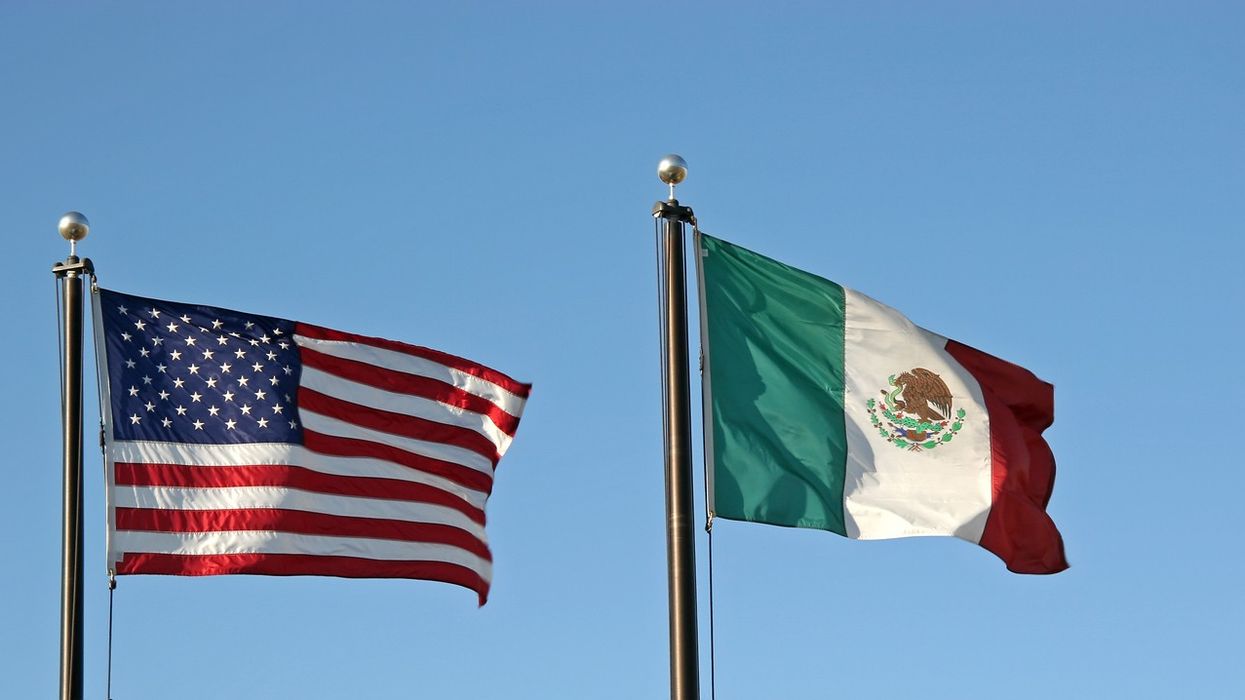
Mexico’s Congress has approved a major tariff reform that will raise import duties on goods from India, China, Brazil, South Korea, South Africa, the United Arab Emirates, and several other countries with which Mexico does not have free trade agreements. The Senate passed the measure on Wednesday following earlier approval by the lower house.
The new levies, set to take effect on January 1, 2026, come at a time of rising global protectionism. The development follows US President Donald Trump’s decision in August to impose a 50 per cent tariff on Indian goods entering the United States, along with a 25 per cent tariff on India’s purchases of Russian oil.
Submitted by President Claudia Sheinbaum in September, the bill modifies 1,463 tariff categories across more than a dozen industrial sectors, according to Mexico News Daily. Affected sectors include auto parts, light vehicles, plastics, toys, textiles, furniture, footwear, clothing, aluminum, and glass. The new tariff rates will range from 5 per cent to 50 per cent.
China to face the heaviest impact
Among all targeted nations, China will bear the greatest impact from the new duties. Mexican officials say the policy is designed to curb the country’s heavy reliance on Asian imports, particularly from China, and to strengthen domestic industries.
The government estimates that the increased tariffs will generate roughly USD 3.8 billion in additional revenue each year.
Alignment with US trade policy
The proposal also signals a tightening of economic alignment between Mexico and the United States. Mexican diplomat Horacio Saavedra told La Silla Rota that the decision reflects shared concerns about unfair trade practices affecting national industries.
“The measure responds to the shared concern of Mexico and the U.S. about practices that have harmed national industries, especially textiles, clothing, and certain manufacturing sectors,” Saavedra said.
India-Mexico trade relations
India was Mexico’s 9th-largest trading partner in 2023, with bilateral trade reaching $10.58 billion. Indian exports to Mexico totaled $8.03 billion, while imports from Mexico stood at USD 2.54 billion.
India’s key export items include automobiles and auto parts, pharmaceuticals, engineering goods, and chemical products. Mexico’s main export to India is crude oil, followed by gold and jewelry, chemical compounds, and telephone machinery.
The new tariff regime is expected to influence trade flows significantly, prompting businesses in both regions to assess supply chains and adjust market strategies ahead of the 2026 implementation date.