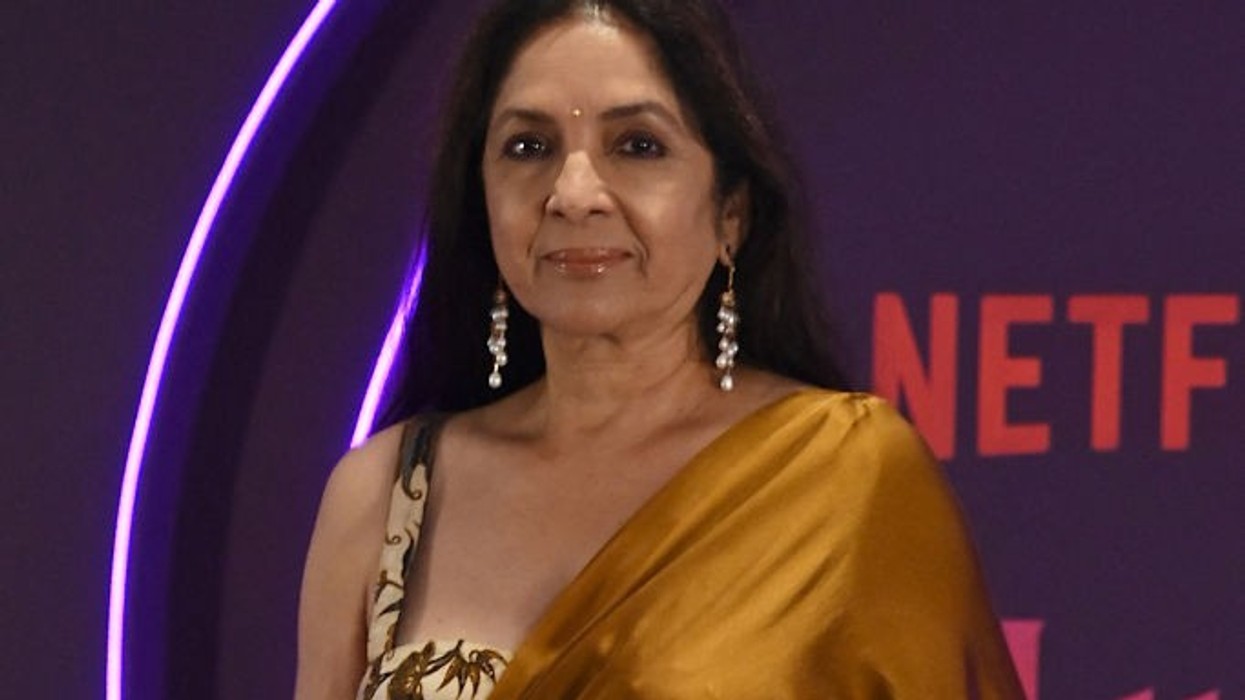
- Neena Gupta said many Indian men still want a “virgin wife.”
- She questioned claims that society has become more open.
- She shared family examples of women facing control after marriage.
- One relative was not allowed to keep a Sai Baba picture in her room.
- She said India still has “a long way to go” on women’s rights.
Veteran actor Neena Gupta has once again spoken about the reality many women face in Indian society. In a recent conversation, she said that despite claims of progress, patriarchy still exists strongly in many homes.
Speaking to journalist Shubhankar Mishra, Neena talked about how finding a “virgin bride” is still important for many men in India.
“They want a virgin wife,” she said.
When asked whether virginity is still such a big issue today, she responded strongly. “What has changed now? Are you talking about India? Who says that people are open? A lot of things have not changed in our country. Women still touch their father-in-law’s feet after putting pallu over their heads. You and I are minorities, we are not the real India. People like us who dress well and talk nicely are not India.”
- YouTube youtu.be
Gupta is known for her bold choices. In the 1980s, Neena chose to become a mother without getting married. She gave birth to her daughter, Masaba Gupta, after being in a relationship with former West Indies cricket legend Vivian Richards. At that time, having a child outside marriage was widely criticized in India. Single motherhood, especially for a public figure, was seen as shocking and socially unacceptable.
Despite the pressure and judgment, Neena decided to raise her daughter on her own. She did not hide her pregnancy or try to fit into social expectations. Instead, she chose to face society directly and take responsibility for her child.
Gupta explained that while some urban families may appear modern, that is not the full picture of the country. According to her, many traditional expectations still control women’s lives after marriage.
In several interviews over the years, Neena has admitted that the journey was not easy. She faced gossip, criticism, and questions about her character. The film industry and society at large were not as open-minded as they may appear today. Being an unmarried mother in the 1980s required courage, emotional strength, and financial independence.
Neena has said that she worked hard to support her daughter and build a stable life. She balanced her acting career with parenting, often without a traditional support system. She has also shared that while her decision worked out for her, she would not easily recommend it to others because of the social challenges involved.
Masaba Gupta, who later became a successful fashion designer, has spoken about how her mother protected her from negativity and gave her confidence. Their relationship is often described as close and honest.
At a time when many women felt forced to hide such realities, Neena Gupta made a daring choice. She challenged social norms simply by living her truth. Her story remains an important example of independence and resilience in Indian society.To explain her point, she shared examples from her own family.
She spoke about a relative who married a man working in a big financial company in Mumbai. The woman later refused to live with her husband and his family. Neena said her father once called both families to discuss the issue.
The problem, she said, was about religious freedom inside the home. “The girl worshipped Sai Baba, so she put his picture in their room, but her mother-in-law didn’t allow her to keep that picture and told her to put up the picture of the guru that they worship,” she shared.
Gupta gave another example from her family. “I’ll give you another example. My niece was told by her mother-in-law that she cannot put her family photo on her bedside table. We have a long way to go when it comes to changing the condition of women in the country.”
Through these stories, Neena said she wanted to show that small, everyday choices are often controlled by in-laws. Even simple wishes, like keeping a religious picture or a family photo, can become a problem for married women.
Neena herself has faced social judgment in her life. She became a single mother at the age of 30 and gave birth to her daughter, Masaba, outside marriage. She has earlier said that while the decision worked out well for her, she would not advise others to make the same choice because of the social pressures involved.
By sharing personal examples, Neena Gupta said she hopes people understand that real change in society will take time. According to her, despite progress in some spaces, “things haven’t changed” as much as many people believe.




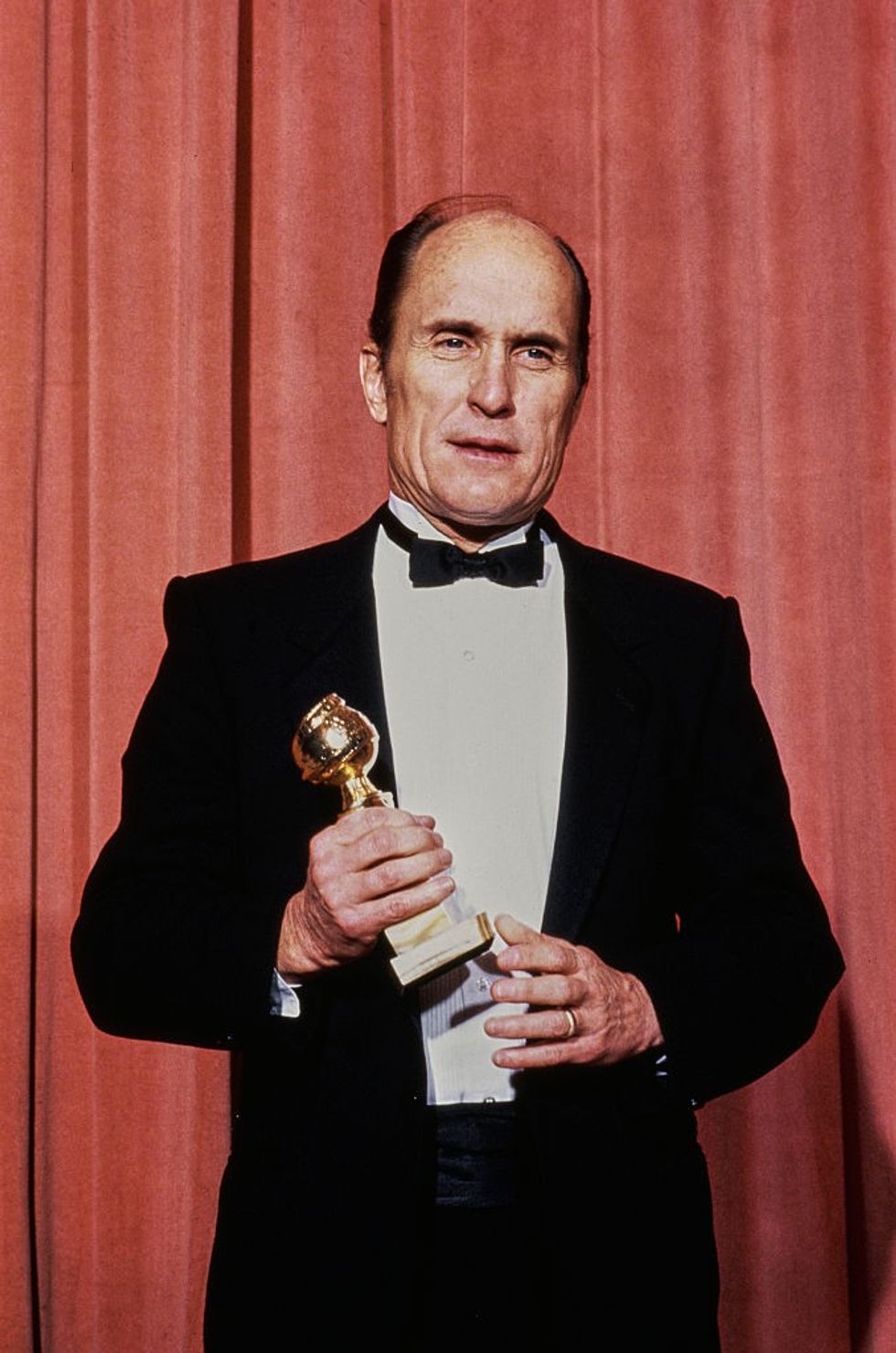 American actor Robert Duvall, wearing a tuxedo and bow tie, in the 41st Golden Globe Awards press room at the Beverly Hilton Hotel in Beverly Hills, California, 28th January 1984. Duvall holds the 'Best Performance in a Motion Picture (Drama)' award, which he received for his performance in 'Tender Mercies'. Getty Images