
Highlights:
- Sindhi leader Shafi Burfat writes a rare appeal to Modi.
- Warns Pakistan is becoming 'dangerously unstable' under Asim Munir.
- Says Munir now holds full control over Pakistan’s nuclear weapons.
- Claims Sindhis face oppression under Pakistan’s military system.
- Appeals for India’s help to “save millions of innocent lives.”
A political leader from Pakistan’s Sindh province has caused a major stir by writing a public letter to Indian prime minister Narendra Modi. In the letter, Sindhi nationalist leader Shafi Burfat warned that Pakistan is entering what he calls a “dangerously unstable phase,” controlled by an “extremist, military command structure.”
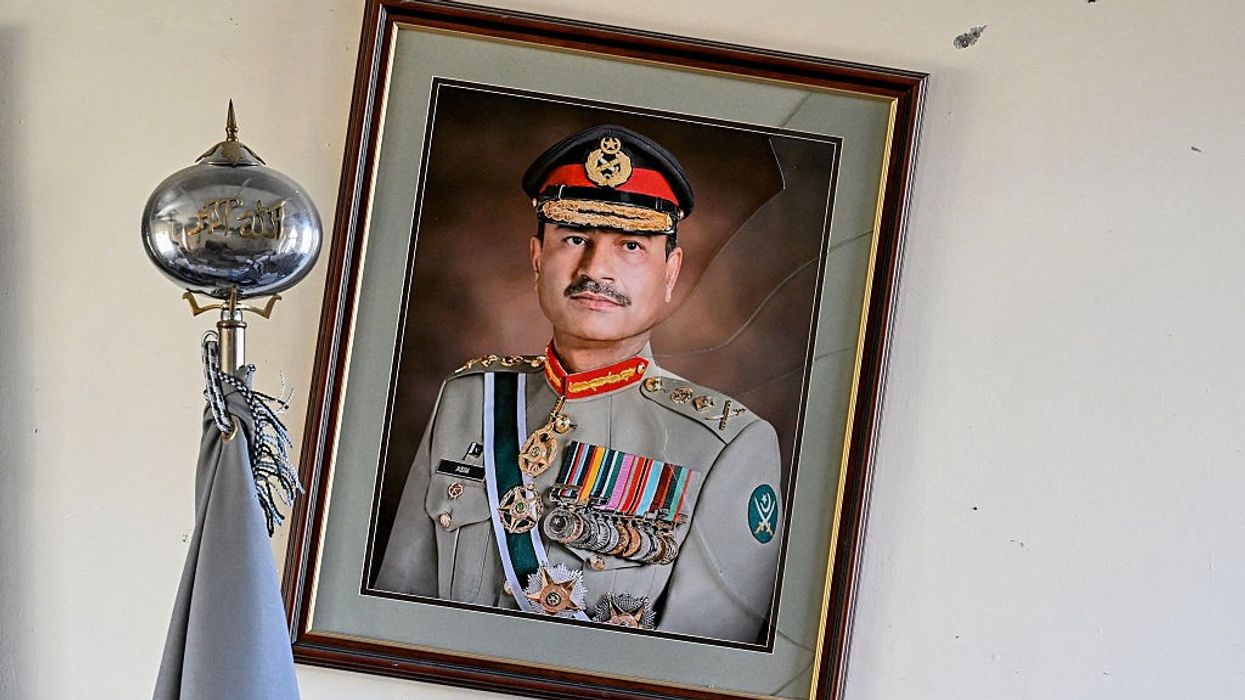
Burfat, who leads the Jeay Sindh Muttahida Mahaz (JSMM), sent the letter from Frankfurt. His message comes shortly after the Pakistani parliament amended the constitution, giving General Asim Munir the new title of Chief of Defence Forces. This role gives Munir full control over Pakistan’s national policies, internal security, and political direction.
According to Burfat, this shift places Pakistan’s nuclear weapons fully under Munir’s authority. He wrote that allowing Munir to become the “owner of Pakistan’s nuclear bombs” threatens not just Sindh but the entire region. He warned that the country is becoming even more centralized under military power, creating an extremely dangerous environment for minorities and neighboring countries.
What the letter says
In the letter, Burfat appeals directly to Prime Minister Modi, saying he is speaking on behalf of the Sindhi people and their long history as an ancient civilization. He describes Sindh as a “distinct nation” that has suffered under Pakistan’s political and military systems.
“With utmost respect and a firm commitment to peace, dignity, and regional stability, I present this heartfelt appeal on behalf of the people of Sindh,” he wrote. He called Pakistan’s military, its extremist groups, and its centralized governance an “artificial state system” that suppresses ethnic groups like Sindhis, Baloch, and Pashtuns.
Burfat says his message is not simply political but a warning for humanity. He claims the country is becoming more unstable and more radical, and that this instability is dangerous because Pakistan is a nuclear-armed state.
He also argued that India, because of its size and regional influence, has the ability to prevent a humanitarian disaster. “Your leadership can save the lives of millions of innocent people,” he wrote to Modi.
The letter further states that the Sindhi nation “completely and forever rejects Pakistani subjugation.” Burfat highlights the historical and cultural identity of Sindh—mentioning Mohenjo-Daro as a symbol of their ancient past—and says the Sindhi people want dignity, freedom, and an end to rule by what he describes as an oppressive military state.
The letter has drawn global attention because it is unusual for a Pakistani political leader to publicly reach out to India’s prime minister for help, especially on such a sensitive issue.