
Highlights:
- Artwork linked to Gaza essay sparks backlash in NYC
- Mayor Zohran Mamdani condemns author’s controversial remarks
- Questions raised over vetting of public-facing associations
- Past social media activity adds to scrutiny
- Debate grows over free speech and political double standards
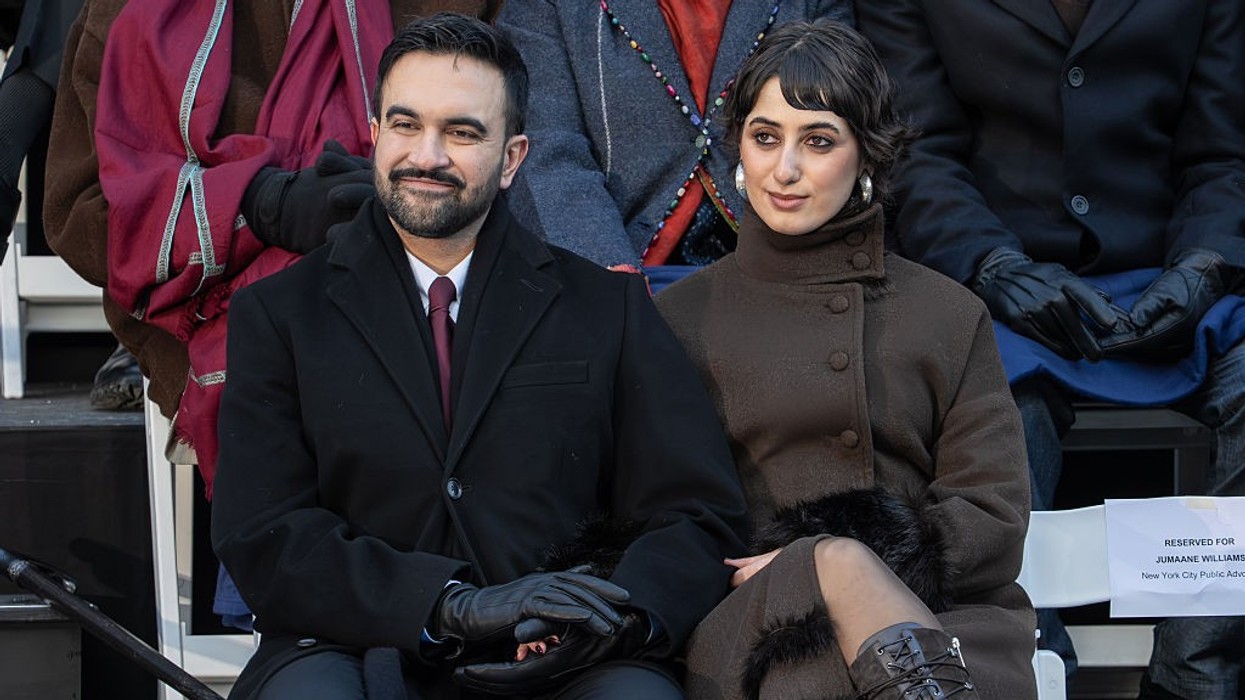
An artwork by Rama Duwaji, published earlier this year alongside an essay about displacement in Gaza, has sparked political controversy in New York City and drawn attention to the office of Mayor Zohran Mamdani.
The illustration, released in February by Slow Factory, accompanied a written piece by Palestinian-American author Diana Islayih as part of a larger collection edited by Susan Abulhawa. The artwork depicted a stylized black-and-white portrait of a woman, with bold features and expressive hands, reflecting themes of displacement and resilience.
The backlash, however, has centered largely on Abulhawa’s past statements. Comments attributed to her—including sharp criticism of Israeli forces and remarks about the October 7, 2023, attack by Hamas, have drawn criticism and fueled the controversy.
According to individuals familiar with the situation, senior City Hall staff were not aware of Duwaji’s involvement in the project or of Abulhawa’s previous remarks. This has raised concerns about oversight and whether affiliations linked to public figures should be more thoroughly vetted.
Mayor Mamdani addressed the issue publicly, calling the author’s rhetoric “reprehensible” and “unacceptable.” He emphasized that Duwaji’s work was commissioned through a third party, that she had no direct interaction with Abulhawa, and that she was not aware of the controversial statements.
Still, some community leaders have called for further clarity. Scott Richman of the Anti-Defamation League noted that while the mayor condemned the language, Duwaji herself has not publicly addressed the issue, leaving questions about her position.
Abulhawa denied allegations of anti-Jewish sentiment and criticized Mamdani’s response, suggesting he had given in to political pressure. Her reaction added to the tensions surrounding the episode.
The controversy has also been intensified by resurfaced social media activity from Duwaji, including posts expressing pro-Palestinian views and criticism of Israel. While these posts drew little attention during Mamdani’s mayoral campaign, they are now being closely examined.
Mamdani has reiterated that Duwaji is a private individual with no formal role in his administration. Nevertheless, the situation has added to the challenges he faces in navigating political sensitivities, particularly within New York City’s diverse communities.
Supporters argue that the criticism reflects a double standard, pointing to Mamdani’s prominence as a Muslim political leader. Critics, however, maintain that public figures and their close associates should be held to consistent standards.
The episode highlights the complexities of balancing free expression, political accountability, and public perception in a deeply polarized environment.

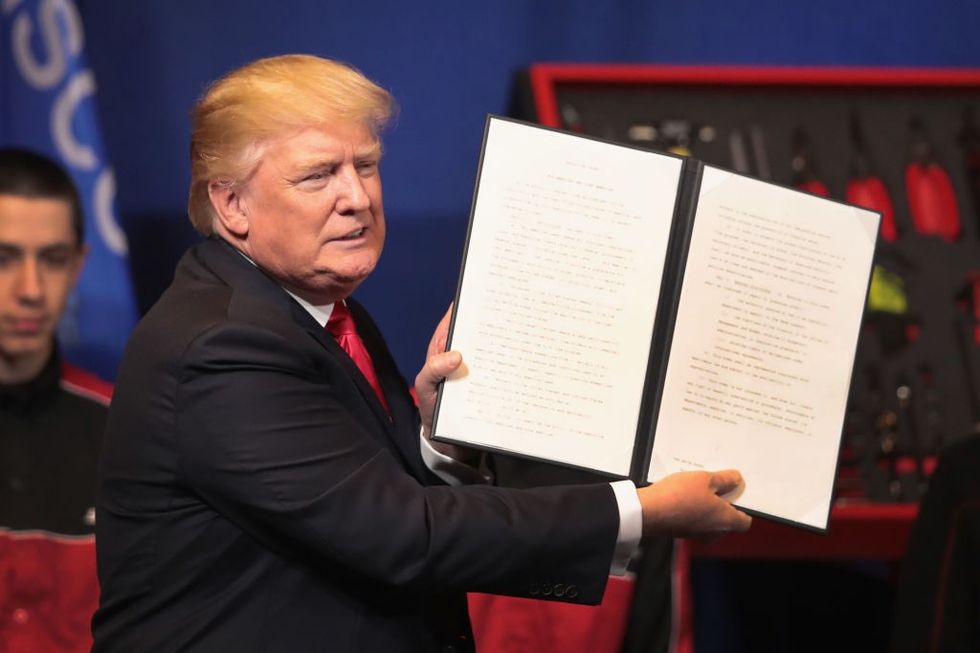 President Donald Trump signs an executive order to try to bring jobs back to American workers and revamp the H-1B visa guest worker program during a visit to the headquarters of tool manufacturer Snap-On on April 18, 2017 in Kenosha, Wisconsin. Getty Images