Highlights:
- Indian-origin adviser Ricky Gill received the NSC’s Distinguished Action Award.
- The award cites a role in “negotiating” the India-Pakistan ceasefire after Operation Sindoor.
- India has repeatedly rejected US mediation claims.
- Gill serves as senior director for South and Central Asia at the NSC.
- The recognition has triggered criticism from Indian diplomats and analysts.
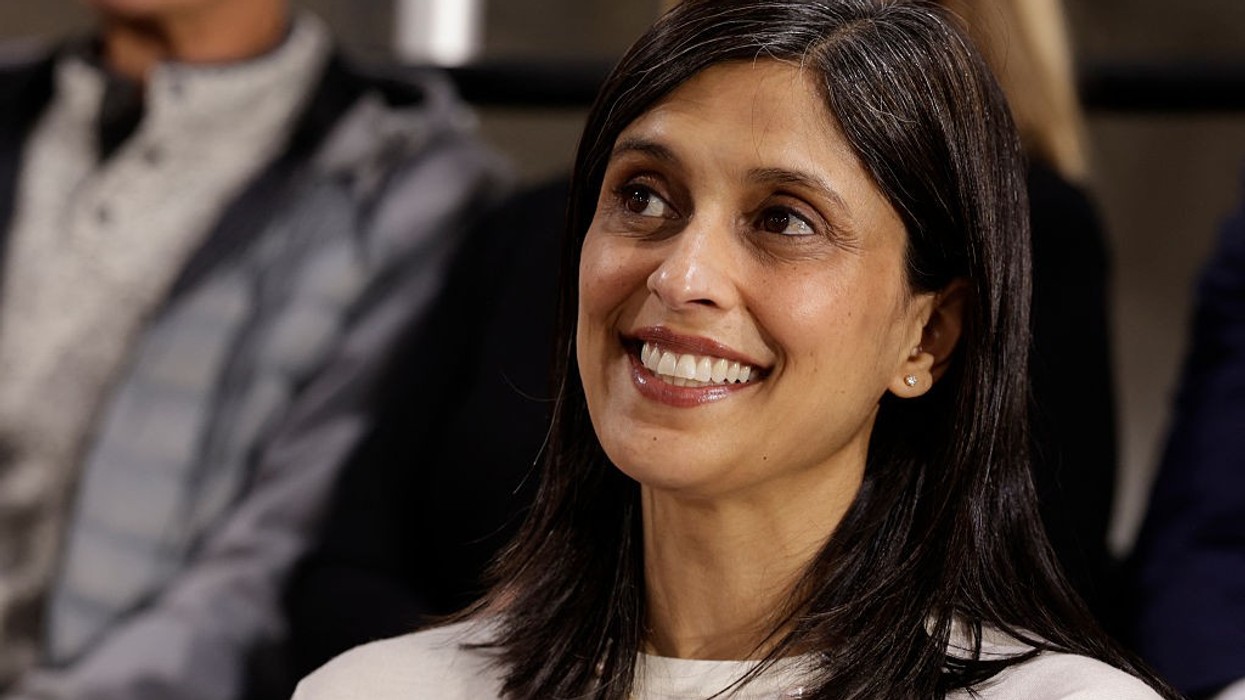
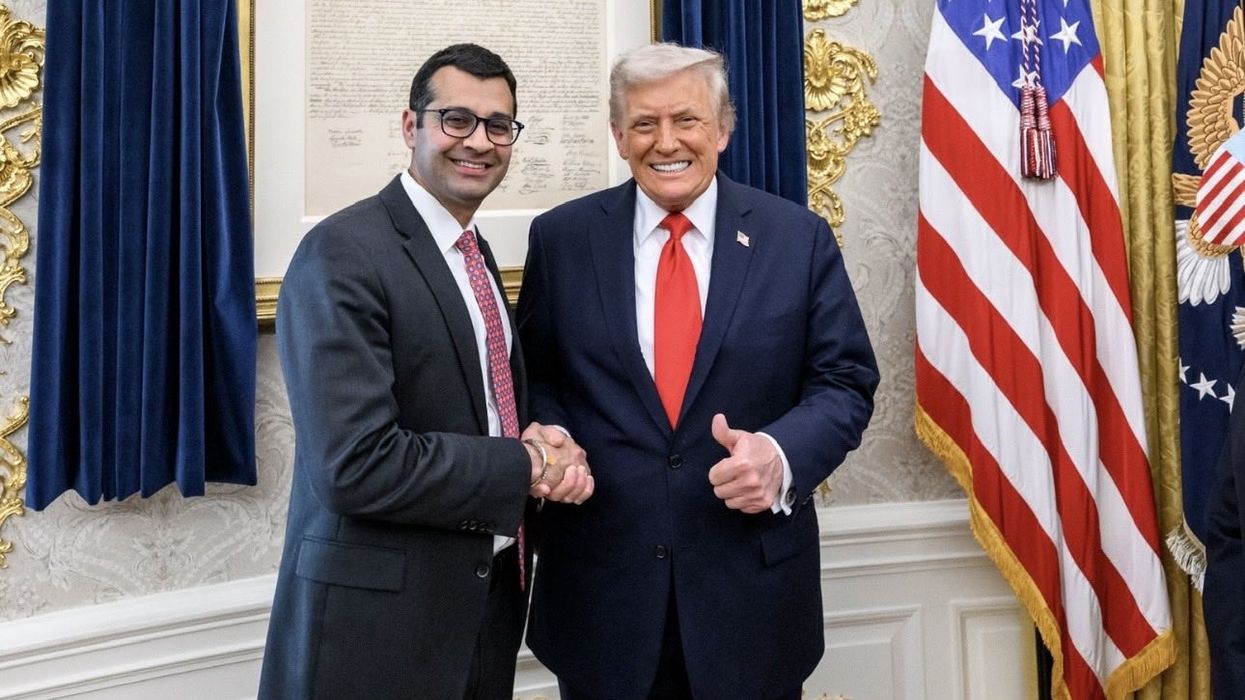
Ranjit “Ricky” Gill, an Indian-origin adviser to president Donald Trump, has stepped into the spotlight after being honored for his alleged role in facilitating the India-Pakistan ceasefire following Operation Sindoor earlier this year. The recognition has sparked debate in India, where the government has consistently denied any third-party involvement in the truce.
“Maybe this kid is some kind of wunderkind,” Thomas Holyoke, an associate professor of political science, once remarked about Gill when the then 24-year-old ran for the US House of Representatives from California in 2012. Although Gill narrowly lost that race to Democrat Jerry McNerney, his career trajectory since then has been steady and influential. Now 37, Gill serves as senior director for South and Central Asia at the National Security Council (NSC) and as a special assistant to President Trump.
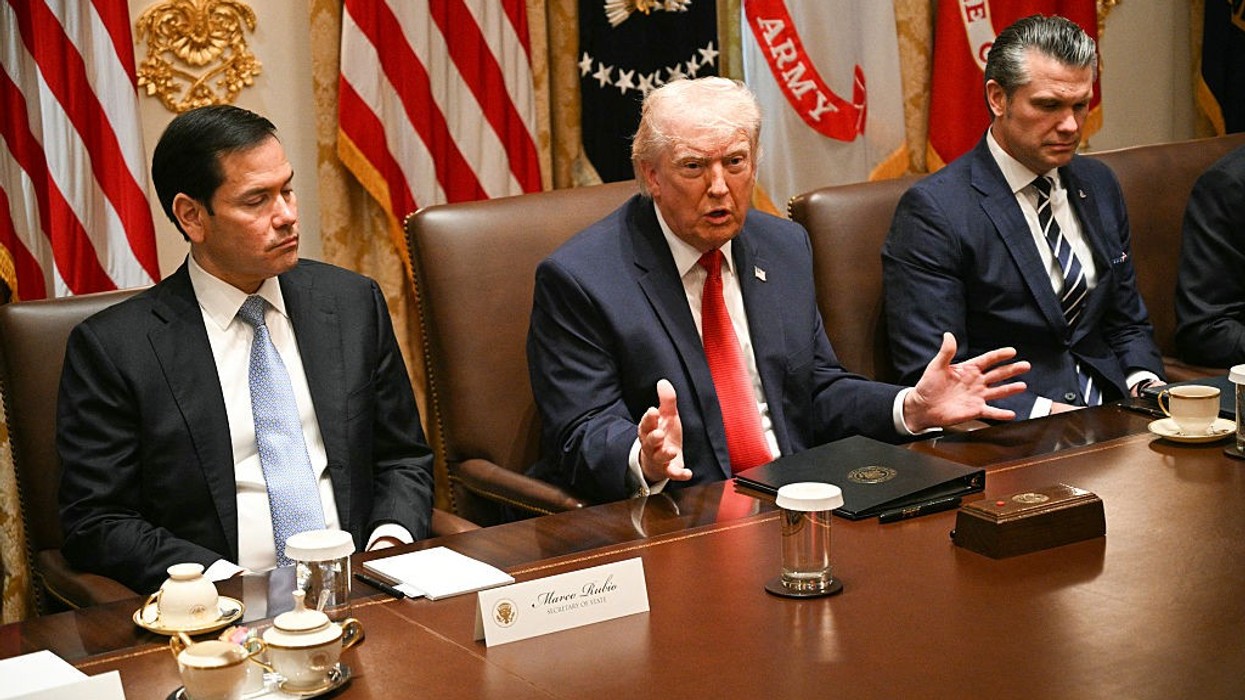
Gill recently received the NSC’s Distinguished Action Award from Secretary of State Marco Rubio. The Trump administration has not disclosed specific details about how Gill contributed to the ceasefire, or what form his involvement took. Nevertheless, the award has been widely interpreted as reinforcing President Trump’s repeated assertion that the United States helped mediate the May 10 ceasefire, an assertion India has publicly and forcefully rejected on multiple occasions.
Born in Lodi, New Jersey, to Punjabi Sikh immigrant physicians Jasbir and Param Gill, Ricky Gill began his public service career at an unusually young age. At just 17, he gained national attention after being appointed by then-California Governor Arnold Schwarzenegger as the sole student member of the California State Board of Education.
Gill later earned a bachelor’s degree from Princeton University’s Woodrow Wilson School of Public and International Affairs, followed by a law degree from the University of California, Berkeley. Over the years, he has built a reputation as a foreign policy specialist with experience across sensitive geopolitical portfolios.
During Trump’s first term, Gill served as director for Russia and European Energy Security at the NSC. He was also involved in overseeing the controversial relocation of the U.S. Embassy in Israel to Jerusalem in 2018—a move applauded by Israel but criticized globally and met with widespread Palestinian protests. Between his two stints in government, Gill worked as a policy adviser for TC Energy, the company behind the Keystone XL pipeline.
In Trump’s second term, Gill has been tasked with overseeing India-Pakistan relations, Afghanistan, and the broader South and Central Asia region. He traveled to India in August amid tensions over trade negotiations, tariffs, and discussions around the India-Middle East-Europe Economic Corridor (IMEC).
The award, however, has stirred sharp reactions in India. Former foreign secretary Kanwal Sibal called the honor “puzzling,” saying it appeared designed to bolster Washington’s disputed narrative. “Now, it is a middle-level officer in the NSC who could knock together the Indian and Pakistani heads. Can't see any purpose being served except to irritate India in propagating such a fictitious claim when India has denied any US role in the ceasefire, even at Trump's level,” Sibal wrote.
Retired civil servant NN Ojha echoed similar concerns, asking, “Is it US declaration to supersede Modi govt's claim that there was no third country intervention for ceasefire?” Another social media user summed up the sentiment bluntly: “Washington is now handing out medals for meddling... Pure American chest thumping and spin on our security.”
As the debate continues, Gill’s award has ensured that his role—real or perceived—in one of South Asia’s most sensitive diplomatic moments remains firmly under scrutiny.