Highlights:
- Rubio says US engagement helped calm India-Pakistan tensions
- Trump described as prioritizing peacemaking worldwide
- India denies any third-party role in the May de-escalation
- Rubio cites U.S. involvement in multiple global conflicts
- Secretary addresses China ties, Indo-Pacific allies, and Gaza talks
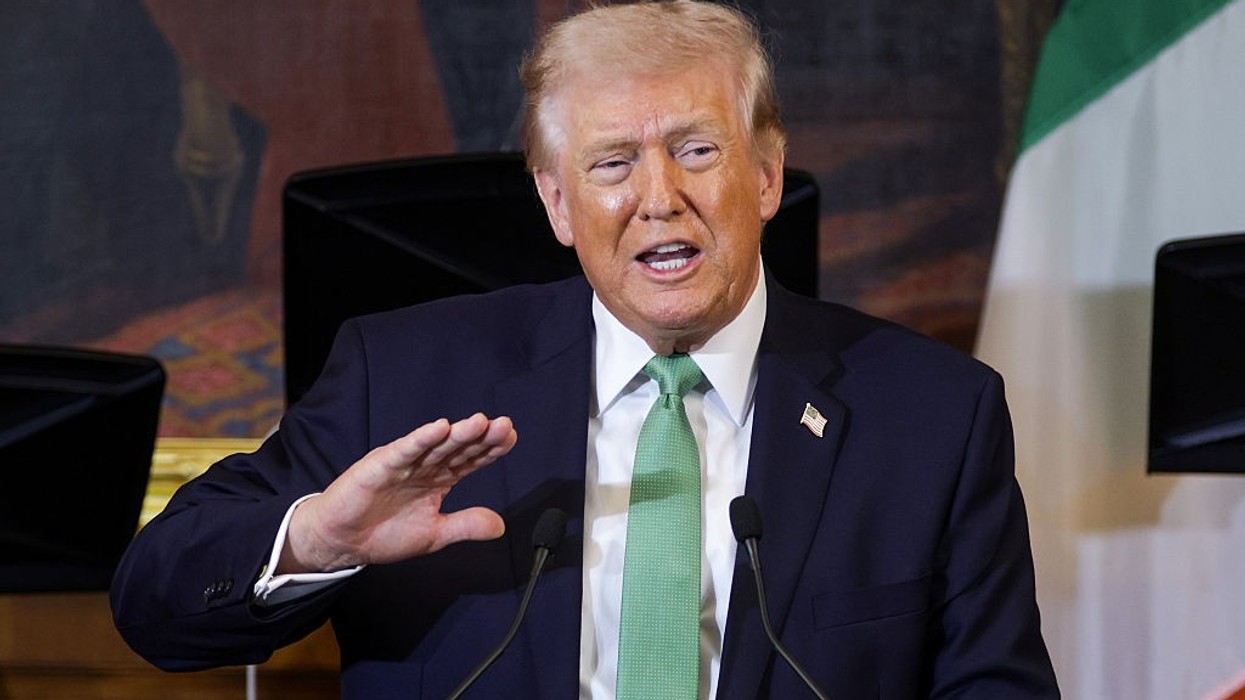
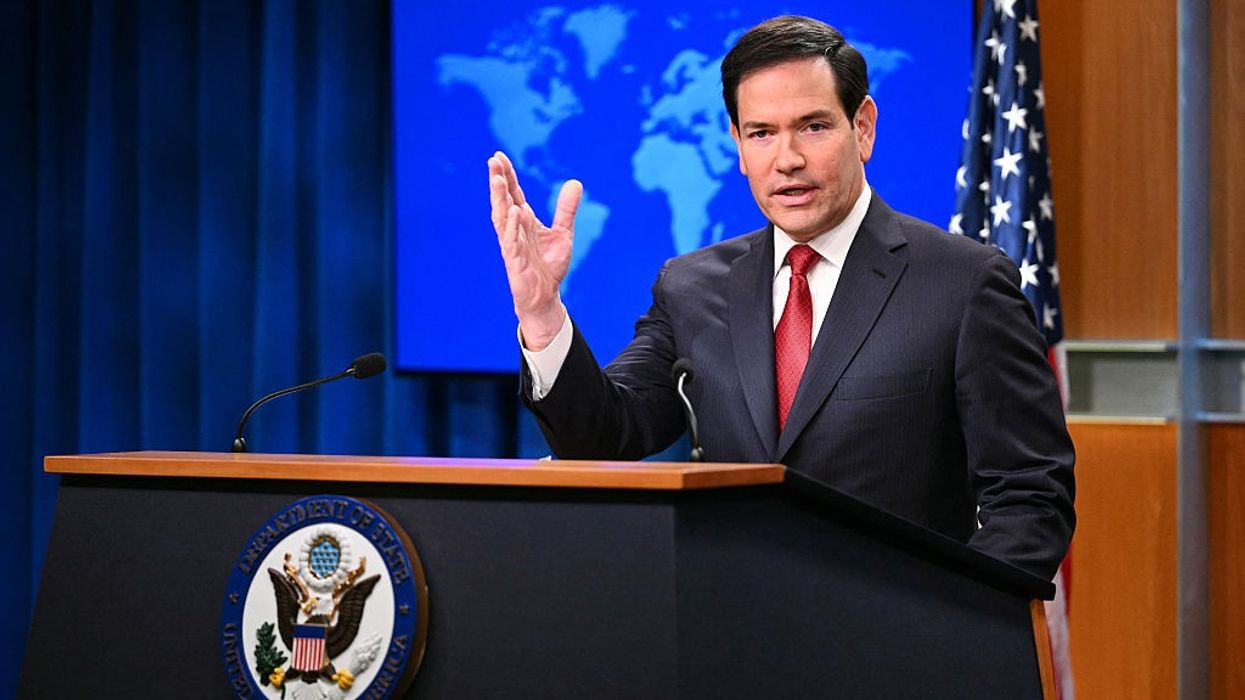
US Secretary of State Marco Rubio said on Friday (19) that Washington has remained actively engaged in efforts to resolve tensions between India and Pakistan, crediting President Donald Trump with taking a hands-on approach to peacemaking during a year marked by multiple international crises.
Speaking at an end-of-year press conference at the State Department, Rubio referred to the India-Pakistan standoff as one of several global conflicts in which the United States has played what he described as an indispensable role. Trump, he said, has made conflict resolution a personal priority.
“The President has made it a priority to be a peacemaker,” Rubio told reporters. “You’ve seen us engaged, whether it’s Russia and Ukraine, or India and Pakistan, or Thailand and Cambodia. These are conflicts that may not always be central to everyday life in America, but they matter.”
Rubio added that some of these disputes have “deep roots that go back many, many years,” but said the United States is prepared to remain involved where it can be helpful. He said American engagement is often viewed as unique, allowing Washington to act in ways other countries cannot.
“In ways that perhaps other nations can’t, we’ve been viewed as indispensable,” Rubio said. “It’s a role the President takes great pride in, in the promotion of peace around the world, and something he deserves a lot of credit for. He has personally engaged in all of this.”
Trump has repeatedly claimed credit for helping stop the recent escalation between India and Pakistan, a claim he has made dozens of times this year. The crisis followed India’s launch of Operation Sindoor on May 7, targeting what it described as terrorist infrastructure in Pakistan and Pakistan-administered Kashmir. The strikes were carried out in response to an April 22 attack in Pahalgam that killed 26 civilians.
After four days of intense cross-border drone and missile exchanges, India and Pakistan reached an understanding on May 10 to end the fighting. Indian officials have consistently denied that any third party, including the United States, played a role in resolving the conflict.
Rubio also addressed broader US foreign policy challenges, including relations with China and alliances in the Indo-Pacific. He acknowledged the complexity of balancing strong partnerships with countries such as Japan while managing competition and cooperation with Beijing.
“China will continue to be a rich and powerful country and a factor in geopolitics,” Rubio said. “We have to deal with them. We have to find the things we can work together on, even as there will be points of tension for the foreseeable future.”
He emphasized that engagement with China would not undermine U.S. commitments to allies and partners, including Japan, South Korea, India, Australia, and New Zealand.
Responding to questions about Gaza, Rubio said Pakistan has expressed willingness to consider participating in a potential peace-building presence, but added that Washington still needs to clarify the mission’s mandate and funding structure before seeking firm commitments.
“We’re very grateful to Pakistan for their offer to consider being a part of it,” Rubio said. “But we owe them a few more answers before we get there.”
The remarks underscored the administration’s effort to project active U.S. involvement in managing global conflicts as Trump heads into the final stretch of the year emphasizing diplomacy alongside military deterrence.