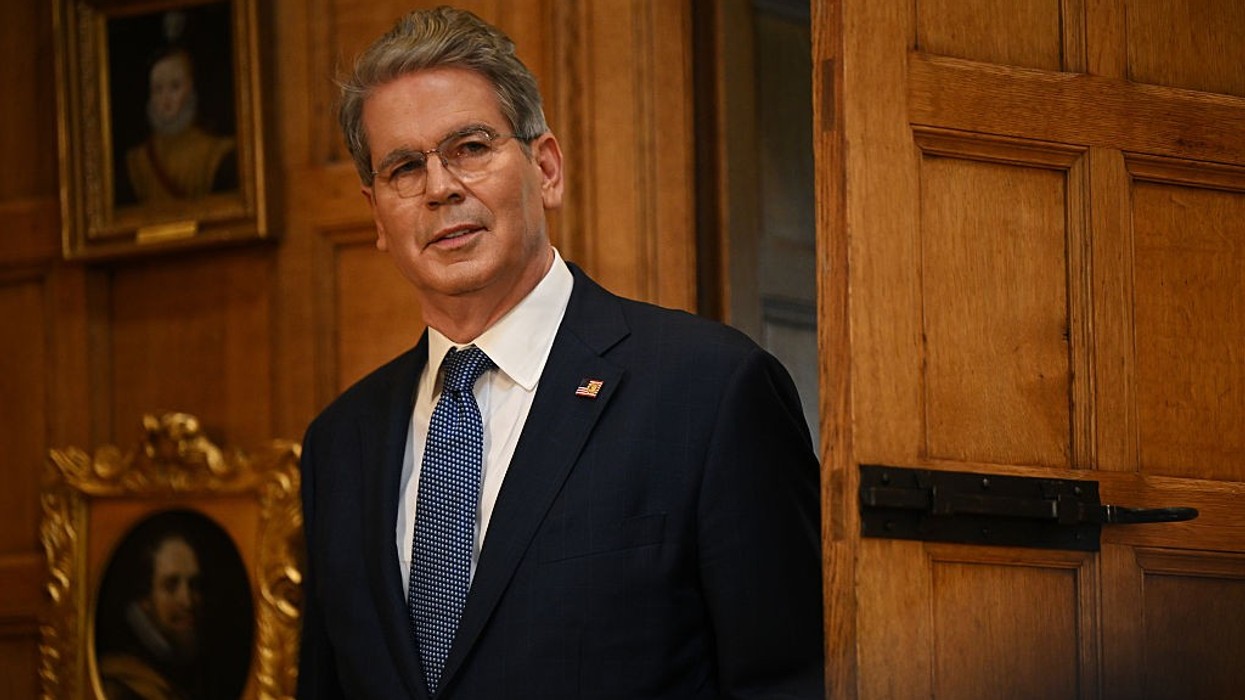

Treasury Secretary Scott Bessent sharply criticized European allies at the World Economic Forum in Davos, accusing them of prioritizing a trade deal with India over coordinated action against Russia’s energy revenues. Bessent said Europe declined to support US-led tariffs on India’s purchases of Russian oil because it wanted to secure a long-negotiated free trade agreement with New Delhi.
Speaking to Politico, Bessent described Washington’s decision to impose a 25 per cent tariff on third-country buyers of Russian oil as a “success,” arguing that the policy significantly reduced India’s imports from Moscow. He contrasted that outcome with what he portrayed as European reluctance to take similar measures.
“I will also point out that our virtue-signaling European allies refused to do it,” Bessent said. “Because they wanted to sign this big trade deal with India.”
His comments came just days ahead of European Commission President Ursula von der Leyen’s scheduled visit to India, where she is expected to finalize a sweeping free trade agreement that she has previously called “the mother of all deals.” According to Bessent, Europe’s desire to agree led it to avoid confronting India over its energy ties with Russia.
Bessent went further, accusing European countries of indirectly funding the war in Ukraine by continuing to buy Russian energy products refined in India. “In the ultimate act of irony and stupidity, guess who was buying the refined products?” he said. “The Europeans.”
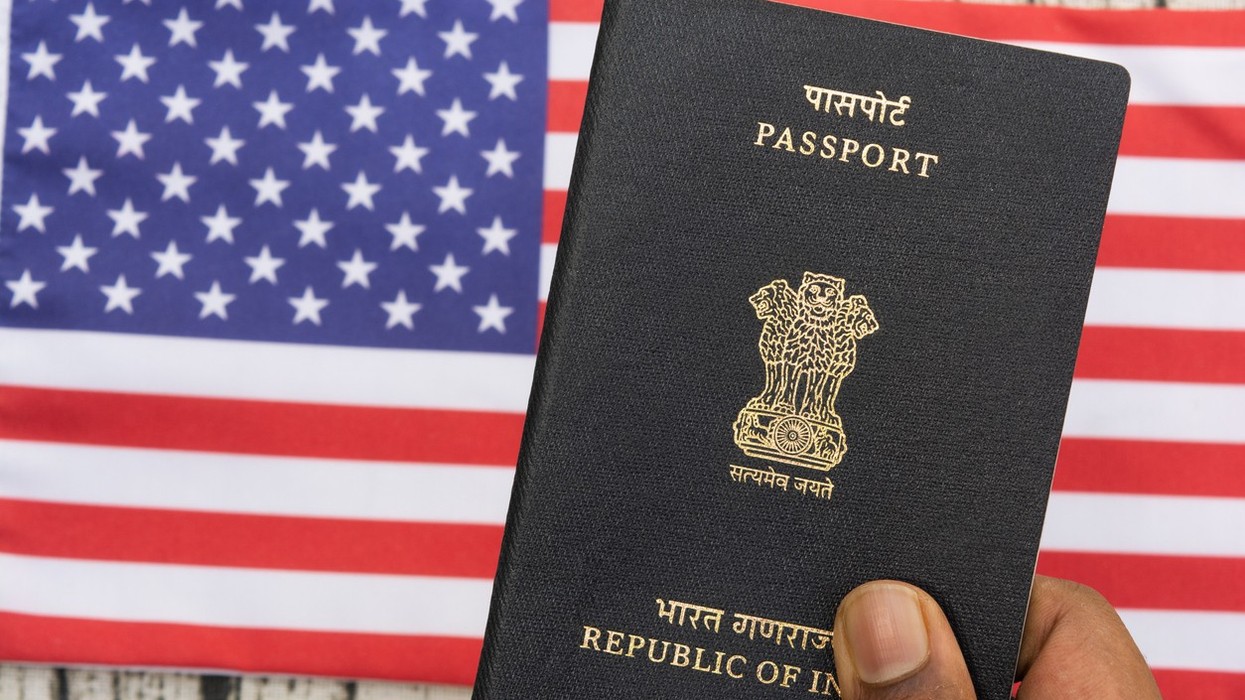
Since 2025, the United States has imposed a 25 percent penalty on imports from countries that continue to buy Russian oil, a move aimed at tightening pressure on Moscow following its invasion of Ukraine. In addition to other duties, India currently faces tariffs totaling 50 per cent on certain exports to the US New Delhi has repeatedly criticized the measures as “unfair, unjustified, and unreasonable,” insisting that its energy policy is driven by national interest and the need to ensure affordable supplies.
Despite his tough rhetoric, Bessent suggested that the tariffs on India may not be permanent. “Our 25 percent tariff has been a huge success. Indian purchases of Russian oil have collapsed,” he said. “The tariffs are still on. I would imagine there is a path to take them off now.”
The Treasury Secretary’s remarks come amid broader debate in Washington over how aggressively to enforce secondary sanctions on countries dealing with Russian energy. Republican Senator Lindsey Graham has proposed legislation that would impose a sweeping 500 percent tariff on secondary purchases and resales of Russian oil.
Asked about the proposal, Bessent said the administration was evaluating whether such legislation was necessary. “We will see whether that passes,” he said, adding that President Donald Trump may already have sufficient authority under the International Emergency Economic Powers Act (IEEPA) to act without new legislation. “The Senate wants to give him that authority,” Bessent noted.
Meanwhile, India has reduced its intake of Russian crude in recent months. In December, the country slipped to third place among buyers of Russian fossil fuels after major private and state-owned refiners sharply cut imports.
As trade negotiations between India and the European Union near completion and Washington reassesses its tariff strategy, Bessent’s comments underscore growing transatlantic tensions over how best to balance economic interests with geopolitical pressure on Russia.